
Curatorial notes
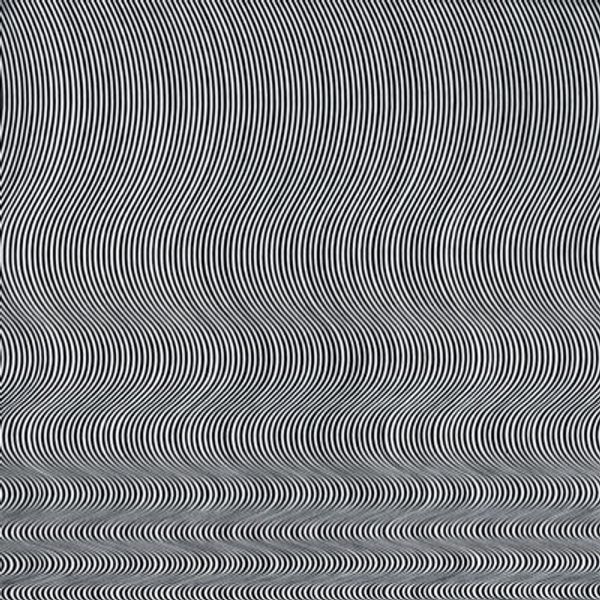
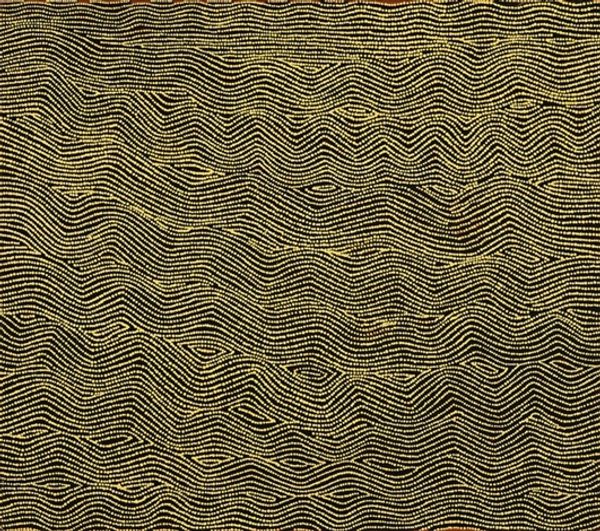
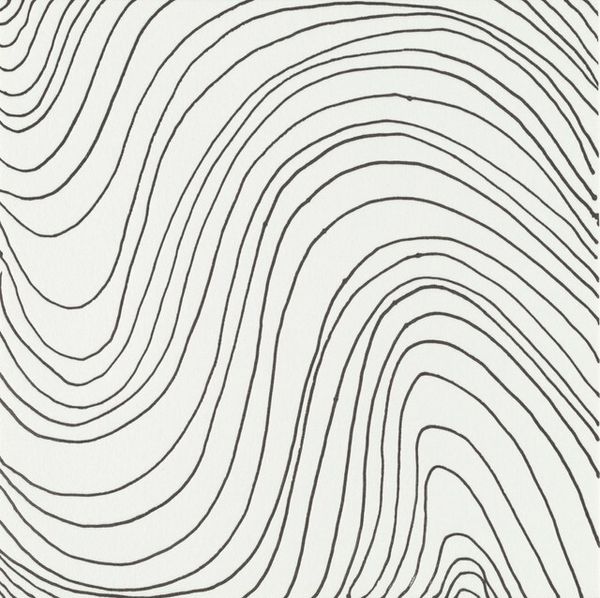
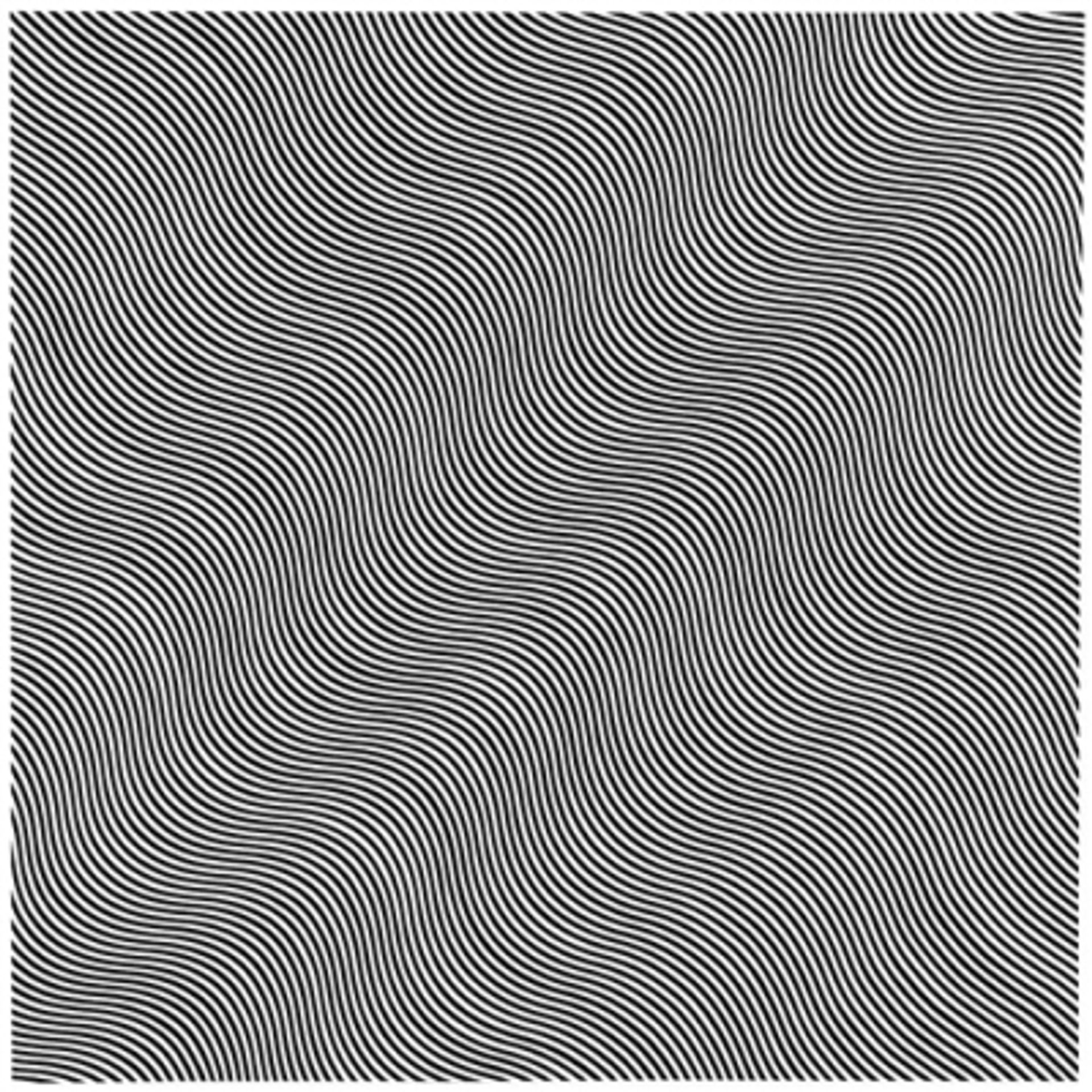
Editor: Here we have Bridget Riley’s *Untitled (Diagonal Curve)* from 1966, made using acrylic paint. I'm immediately struck by the disorienting effect – the wavy lines seem to shift and shimmer before my eyes. What do you see when you look at this work? Curator: I see a deliberate engagement with the viewer's perception, pushing the boundaries of what painting could be. Think about the 1960s, a period of immense social and political upheaval. Riley, like many artists, was challenging traditional artistic conventions. Op Art, as exemplified here, became a visual language to question the status quo. Do you think this abstraction removes it from that social context or is it, in itself, a statement? Editor: That's a really interesting point! I hadn't considered the connection to social change so directly. Maybe the lack of a clear, representational subject matter is precisely the point, mirroring the instability and questioning of norms prevalent at the time? Curator: Exactly. And consider the role of the museum in this. By exhibiting such works, institutions were implicitly endorsing this challenge to tradition, opening their doors to new artistic languages and engaging in a dialogue with contemporary society. Museums weren't just repositories of the past, but active participants in shaping cultural values. How does this influence how we see this work now, knowing its place in art history? Editor: It gives it another layer of meaning, knowing it was part of a larger cultural shift, with museums playing a key role in that shift. Thanks, that gives me a new lens through which to view it. Curator: Indeed, the art world isn't created in a vacuum. We are just re-evaluating our approach to the artwork!