c. 1790 - 1793
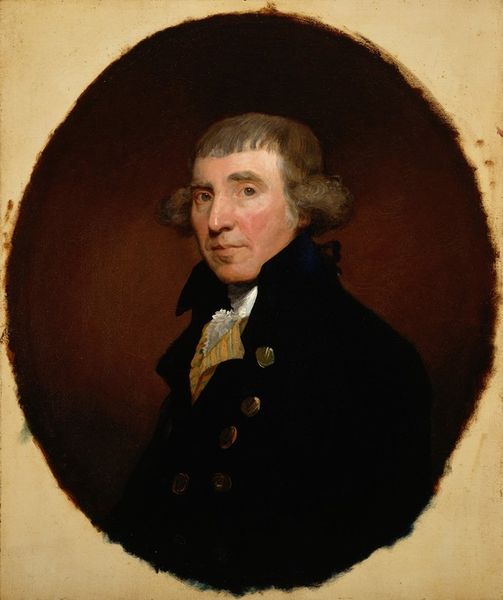
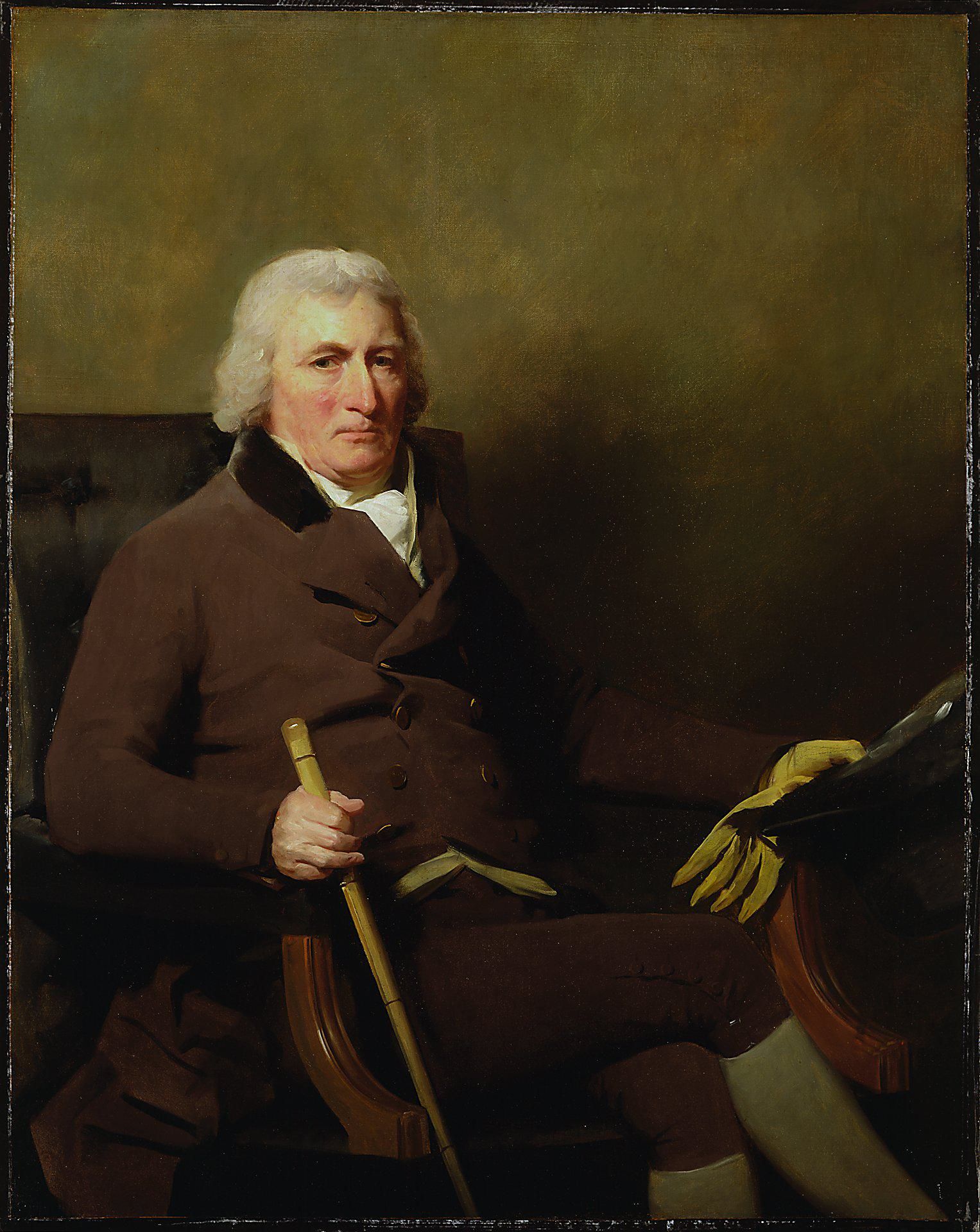
Portrait of Sir Patrick Inglis


Listen to curator's interpretation
Curatorial notes
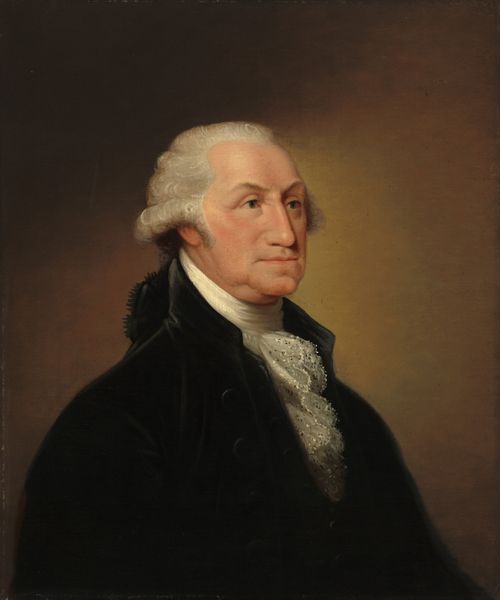
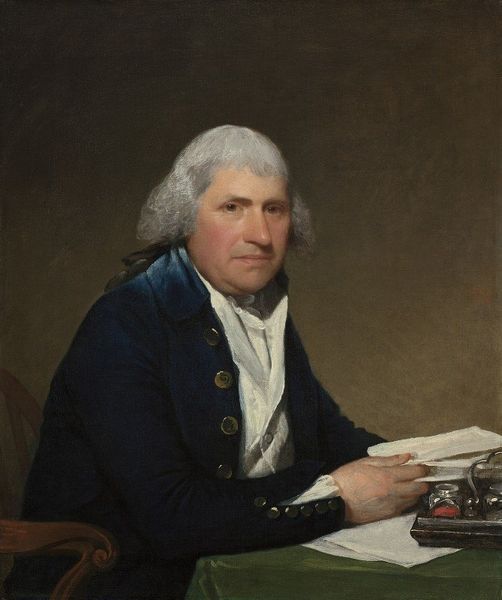
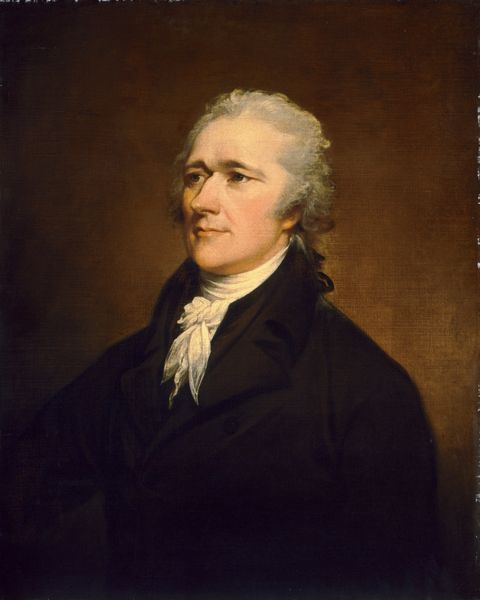
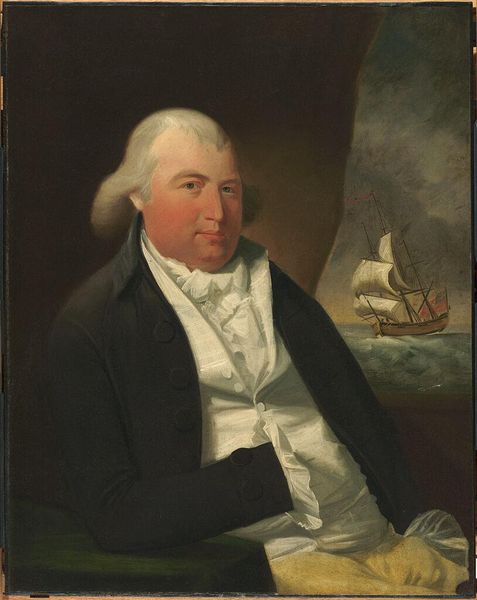
This portrait of Sir Patrick Inglis was painted by Henry Raeburn using oil on canvas. Looking at the brushwork closely, we can observe the artist’s skillful layering of paint to create the textures of fabric, skin, and hair. Think about the materiality of the portrait itself, and also the materials depicted. Canvas and oil paint were commercially manufactured items, available to professional artists like Raeburn. The sitter’s clothing, too, is a product of industry: woven textiles and leather carefully tailored to convey his status as a gentleman. Even the walking stick he holds has been carefully worked. Consider the economic system that allows for such a portrait to be made. Inglis presumably had the capital to commission the painting, and Raeburn had the time and training to execute it. In many ways, this painting is just as much an artifact of capitalism as it is a work of art. It's easy to overlook the labor and economic context that makes art possible, but it's important to recognize how materials, making, and context intersect to shape an artwork's meaning.