About this artwork
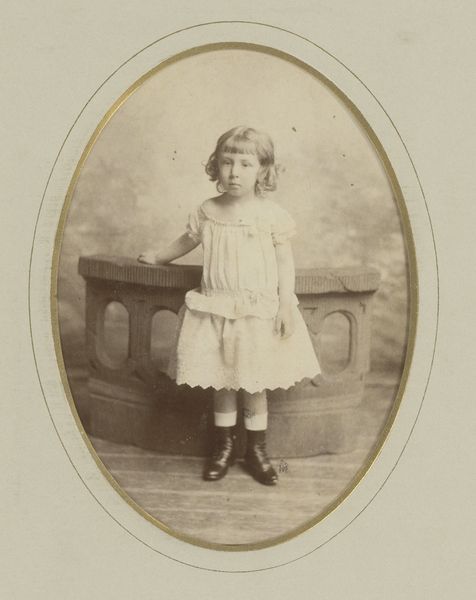
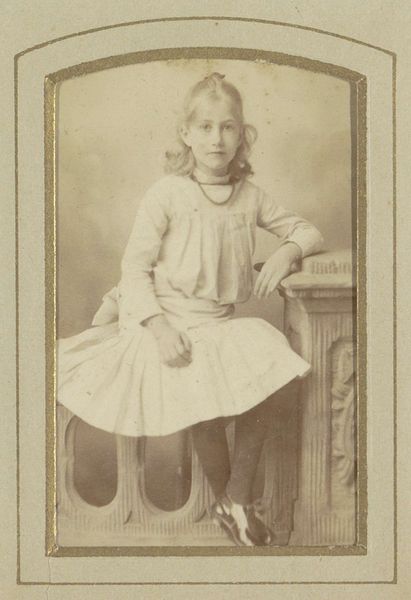
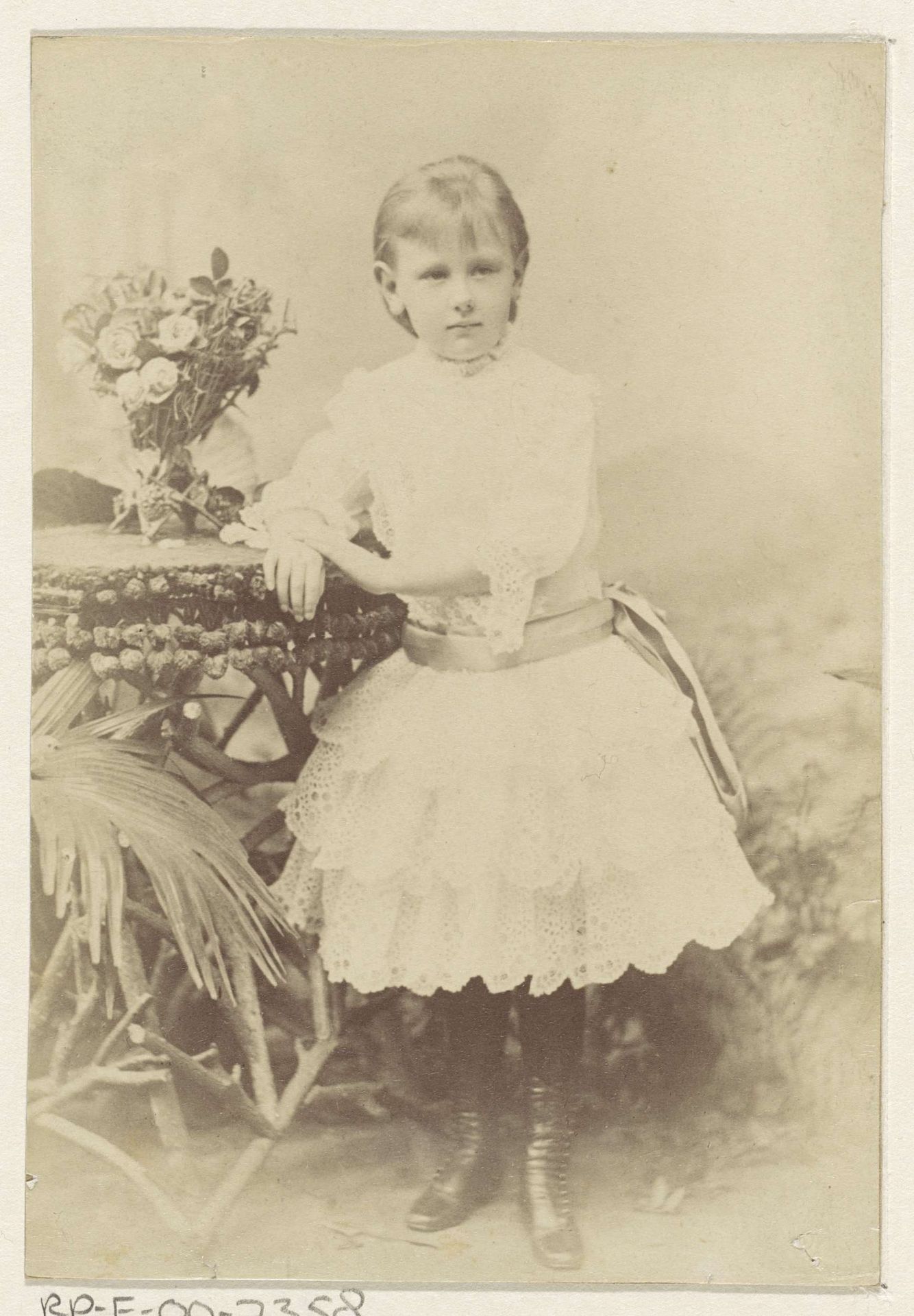
This is a photographic portrait of Wilhelmina, Queen of the Netherlands, captured by Richard Kameke, sometime between 1847 and 1898. The photographic print itself is a combination of art, science, and industry. Consider the materiality of this object: the paper substrate, the chemical processes involved in developing the image, the very notion of capturing a moment in time through mechanical means. This was a period of rapid technological advancement, and photography democratized portraiture, making it accessible beyond the elite. Think, too, about the labor involved: from the photographer meticulously setting up the shot, to the factory workers producing photographic paper, to the skilled lacemakers responsible for the Queen’s dress. Each contributes to the final product, a seemingly simple image that contains a wealth of social and cultural information. The way that the final print is presented speaks to how it would be consumed as an intimate object for both personal and wider circulation. By considering these materials and processes, we can appreciate this photograph not just as a representation of royalty, but as a complex artifact of its time.
Portret van Wilhelmina, koningin der Nederlanden
1887 - 1892

Richard Kameke
1947 - 1898Location
RijksmuseumArtwork details
- Medium
- photography, albumen-print
- Dimensions
- height 139 mm, width 96 mm
- Location
- Rijksmuseum
- Copyright
- Rijks Museum: Open Domain
Tags
Comments
Share your thoughts
About this artwork
This is a photographic portrait of Wilhelmina, Queen of the Netherlands, captured by Richard Kameke, sometime between 1847 and 1898. The photographic print itself is a combination of art, science, and industry. Consider the materiality of this object: the paper substrate, the chemical processes involved in developing the image, the very notion of capturing a moment in time through mechanical means. This was a period of rapid technological advancement, and photography democratized portraiture, making it accessible beyond the elite. Think, too, about the labor involved: from the photographer meticulously setting up the shot, to the factory workers producing photographic paper, to the skilled lacemakers responsible for the Queen’s dress. Each contributes to the final product, a seemingly simple image that contains a wealth of social and cultural information. The way that the final print is presented speaks to how it would be consumed as an intimate object for both personal and wider circulation. By considering these materials and processes, we can appreciate this photograph not just as a representation of royalty, but as a complex artifact of its time.
Comments
Share your thoughts