About this artwork
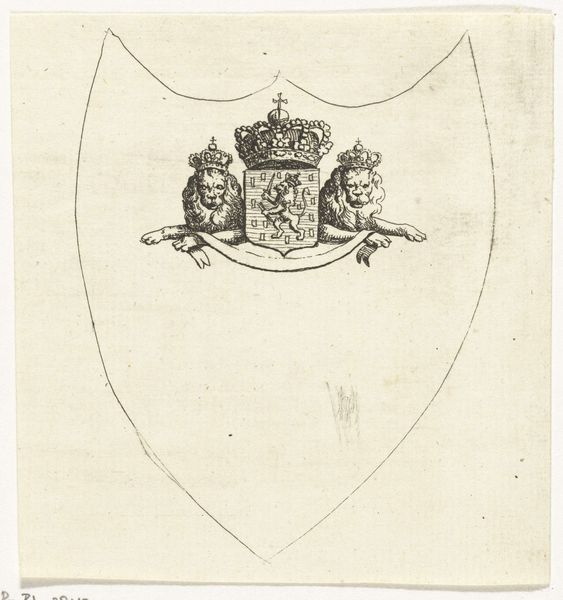
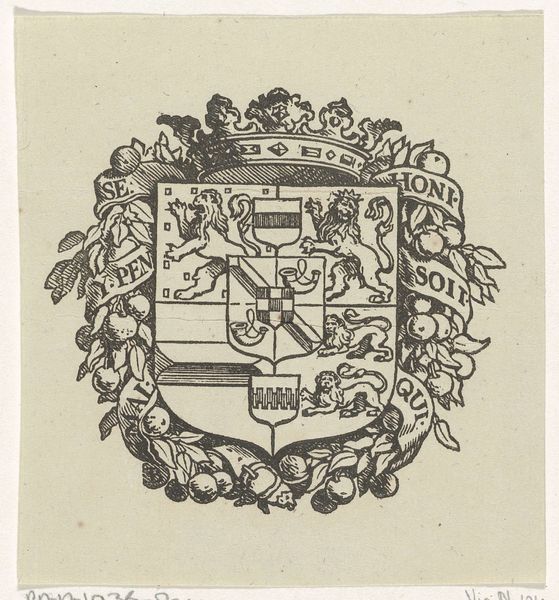
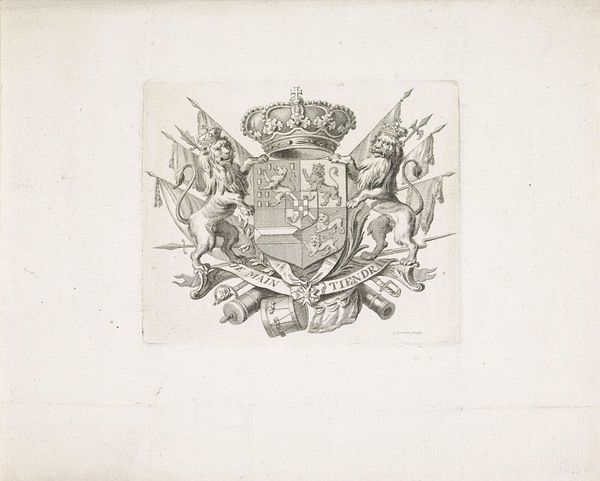
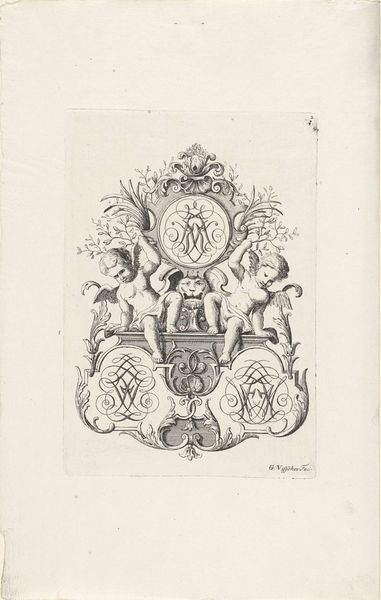
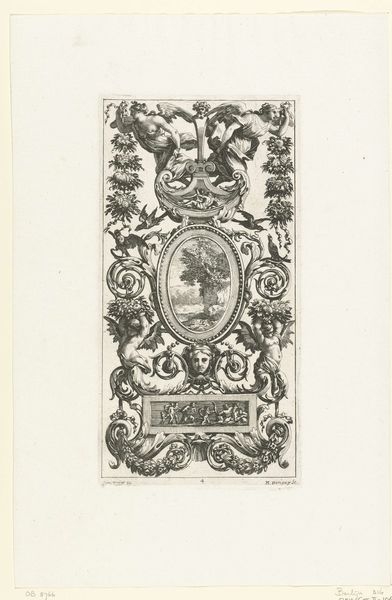
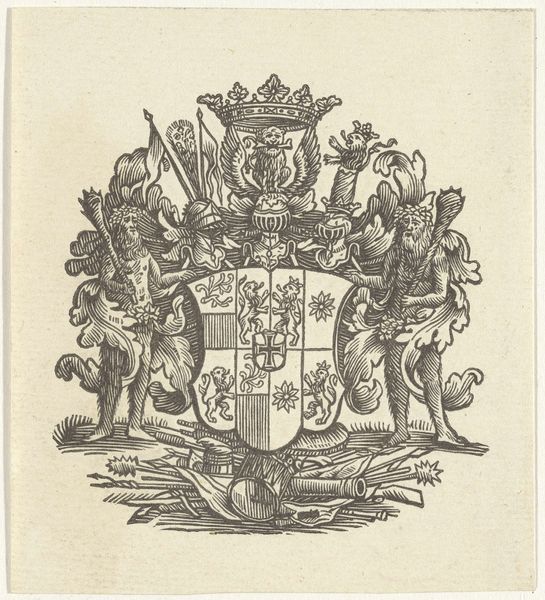
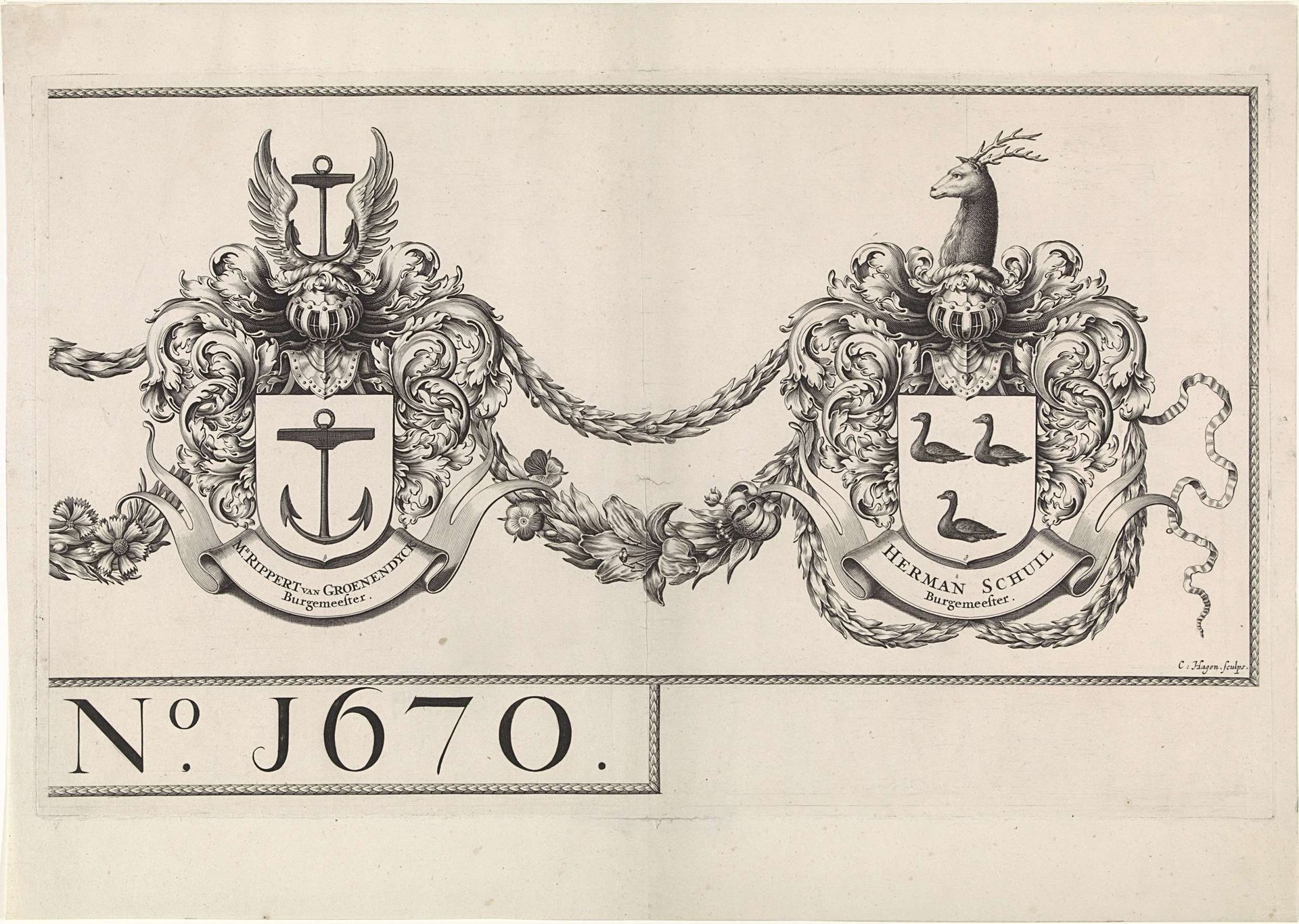
Christiaan Hagen created this print, "Bovenkant van de rand van de Grote Hagen (rechterblad)", sometime between 1655 and 1707, with an unknown medium. Hagen’s detailed print of two family crests offers a glimpse into the social and political structures of 17th-century Netherlands, a period marked by significant economic and cultural shifts. Each crest, elaborately adorned, speaks to the importance of lineage and status in Dutch society. The symbols chosen—an anchor, birds, and a deer—aren’t merely decorative, they offer clues to the identities and aspirations of the families they represent. Hagen was not only an artist, but also a notary, a profession deeply entwined with the legal and social fabric of his time. His familiarity with the intricacies of family histories likely influenced the creation of this print. How does Hagen's meticulous depiction of these crests reflect the values and power dynamics of the Dutch Golden Age?
Bovenkant van de rand van de Grote Hagen (rechterblad) 1675

Christiaan Hagen
1635 - 1707Location
RijksmuseumArtwork details
- Medium
- drawing, graphic-art, print, ink, engraving
- Dimensions
- height 360 mm, width 600 mm
- Location
- Rijksmuseum
- Copyright
- Rijks Museum: Open Domain
Tags
drawing
graphic-art
baroque
pen drawing
pen sketch
ink
engraving
Comments
No comments
About this artwork
Christiaan Hagen created this print, "Bovenkant van de rand van de Grote Hagen (rechterblad)", sometime between 1655 and 1707, with an unknown medium. Hagen’s detailed print of two family crests offers a glimpse into the social and political structures of 17th-century Netherlands, a period marked by significant economic and cultural shifts. Each crest, elaborately adorned, speaks to the importance of lineage and status in Dutch society. The symbols chosen—an anchor, birds, and a deer—aren’t merely decorative, they offer clues to the identities and aspirations of the families they represent. Hagen was not only an artist, but also a notary, a profession deeply entwined with the legal and social fabric of his time. His familiarity with the intricacies of family histories likely influenced the creation of this print. How does Hagen's meticulous depiction of these crests reflect the values and power dynamics of the Dutch Golden Age?
Comments
No comments