

1565 - 1608
The Transfiguration


Listen to curator's interpretation
Curatorial notes
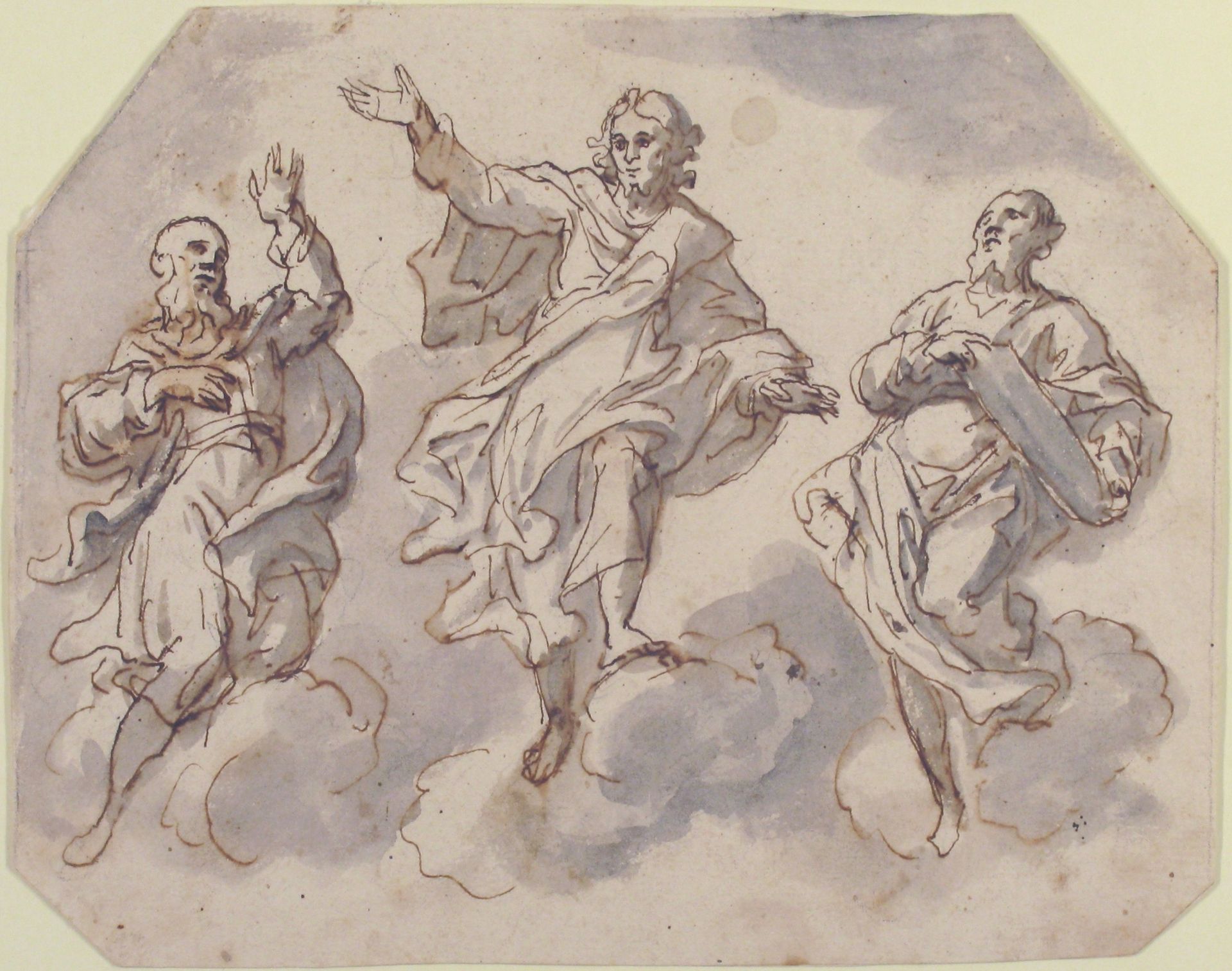
Francesco Curia made this pen and wash drawing called ‘The Transfiguration’ around the turn of the 17th century in Naples. It depicts a key moment in the Gospels when Christ’s divinity is revealed. It's worth pausing to think about the social role of religious imagery in Italy at this time. Curia’s painting was made in the shadow of the Council of Trent and the Catholic Counter-Reformation. In this climate, the Church was eager to promote art that reinforced its doctrines and encouraged piety. Note the figures and the classic pyramidal structure, a testament to the renewed interest in traditional religious values. The depiction of Christ floating above the clouds further underscores the role of the divine in everyday life. To better understand the context of this work, we could look at the archives of religious institutions in Naples, and explore the ways religious art was commissioned and consumed during this period. By placing art in its social and institutional context, we gain a much richer understanding of its meaning and purpose.