About this artwork
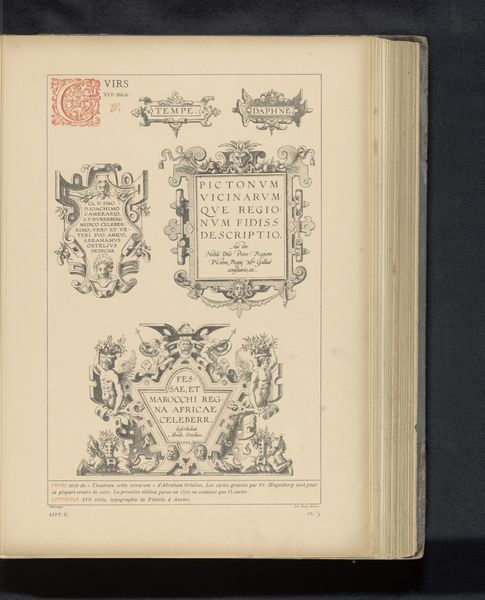
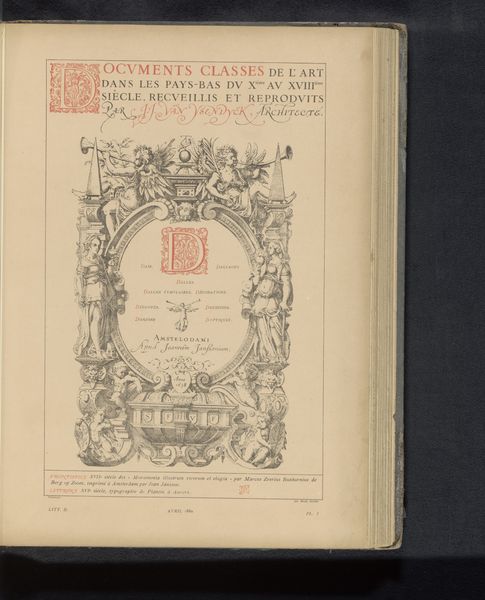
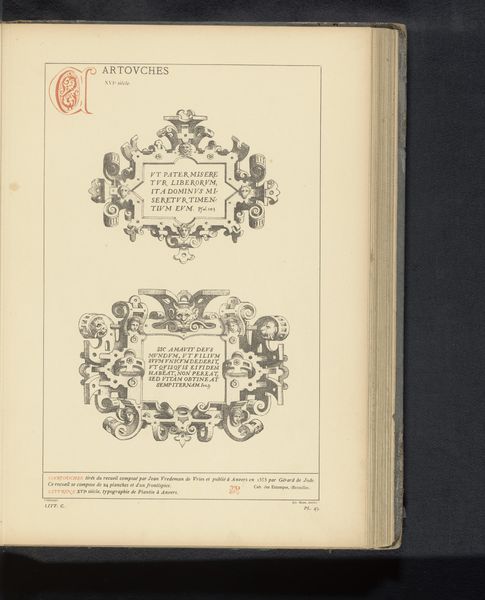
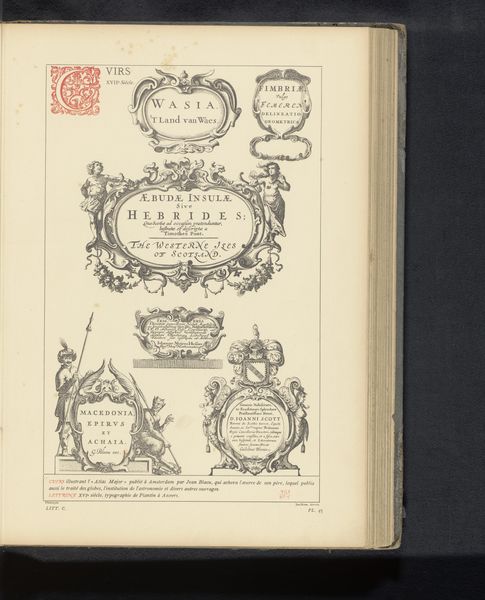
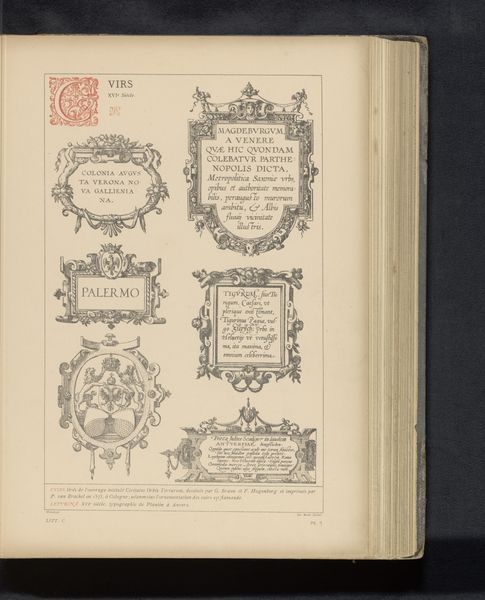
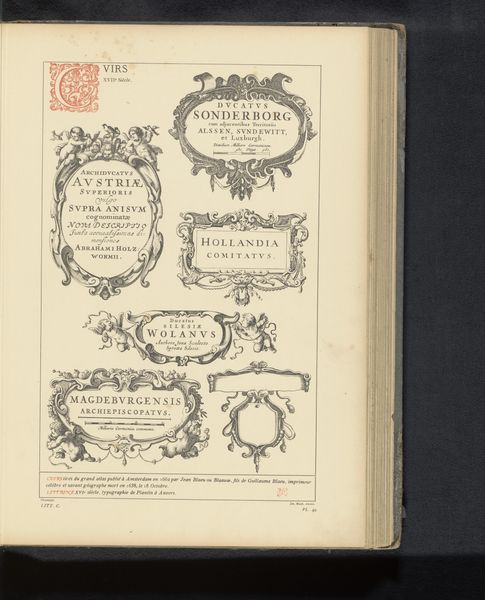
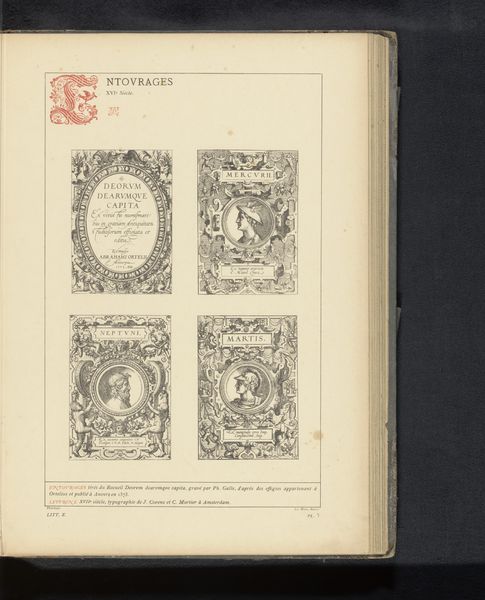
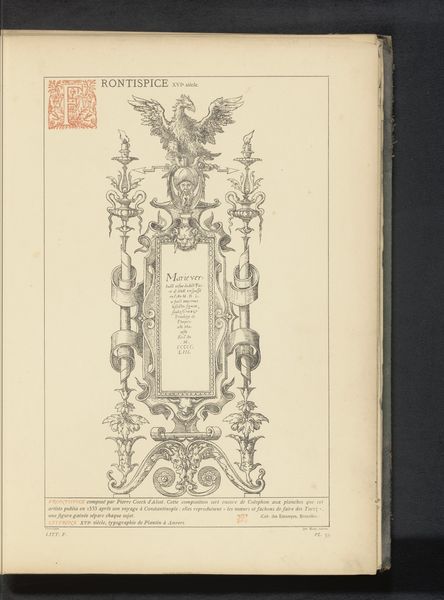
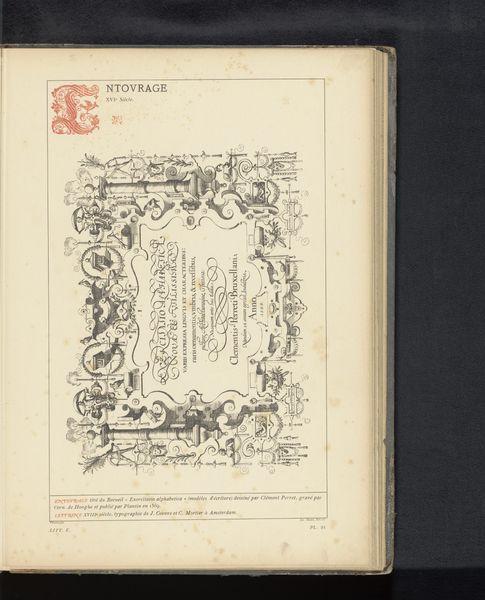
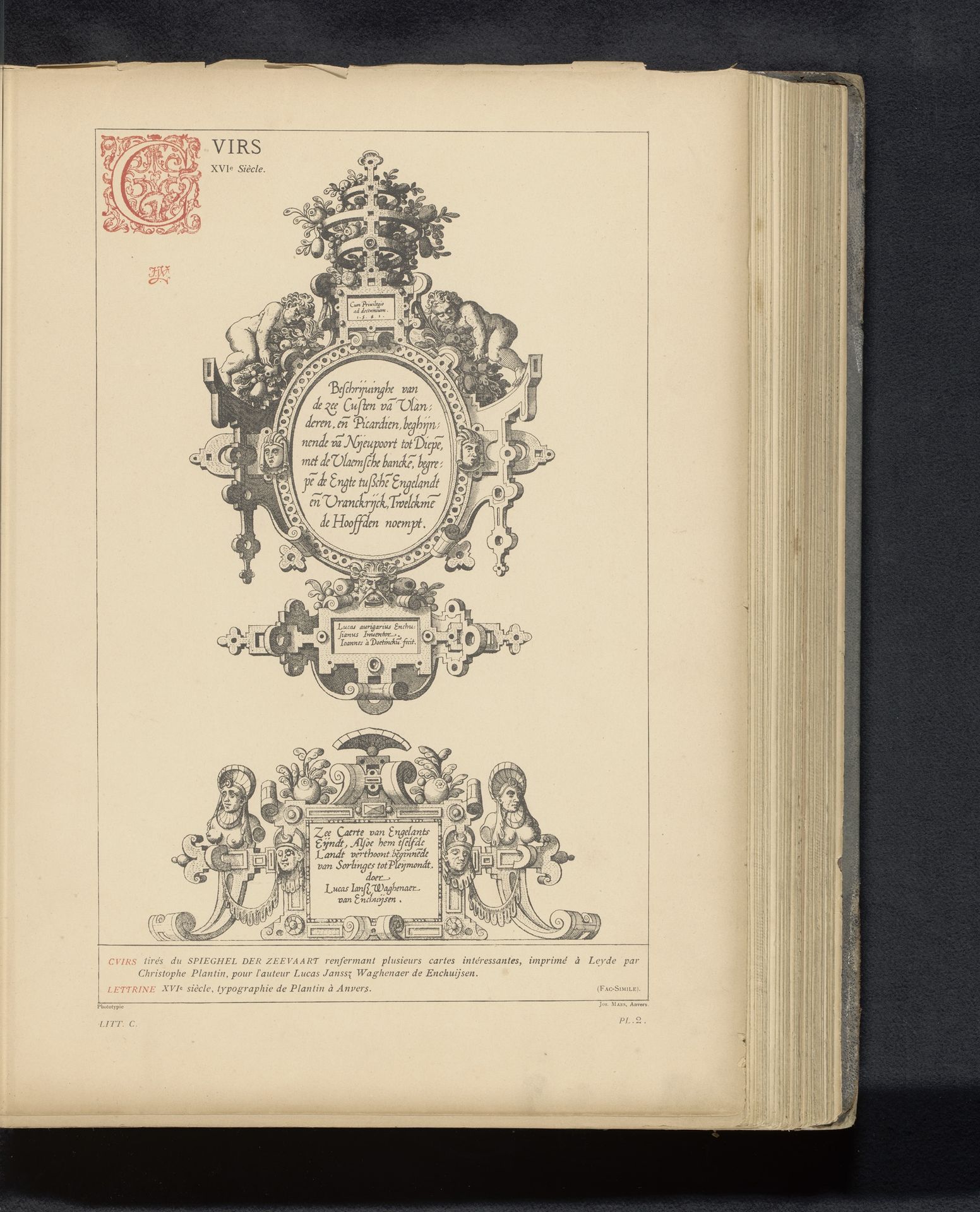
Here is a reproduction of two cartouches from Spieghel der zeevaart by Lucas Janszoon Waghenaer. Though the artist is currently listed as anonymous, we can look at the historical context to learn more about the artwork. This book of nautical charts, first published in Leiden in 1584, reflects the Netherlands' growing maritime power and commercial reach during the late 16th century. Waghenaer's 'Spieghel der Zeevaert' - or 'Mariner's Mirror' - was the first printed collection of nautical charts and a pilot guide of its kind. The elaborate cartouches exemplify the way that maps were not just functional tools but also artistic and cultural objects, embellished with heraldry and allegorical figures. These were visual symbols of national pride. To fully understand this work, we need to explore the history of cartography, Dutch maritime history, and the role of printing in the dissemination of knowledge. The 'Spieghel der Zeevaert' played a crucial role in shaping European understanding of the seas, so the book’s imagery offers insights into the politics of imagery and the social conditions that shape artistic production.
Reproductie van twee cartouches uit de Spieghel der zeevaart door Lucas Janszoon Waghenaer before 1880

Artwork details
- Medium
- print, engraving
- Dimensions
- height 337 mm, width 228 mm
- Copyright
- Rijks Museum: Open Domain
Tags
form
11_renaissance
geometric
line
decorative-art
engraving
Comments
No comments
About this artwork
Here is a reproduction of two cartouches from Spieghel der zeevaart by Lucas Janszoon Waghenaer. Though the artist is currently listed as anonymous, we can look at the historical context to learn more about the artwork. This book of nautical charts, first published in Leiden in 1584, reflects the Netherlands' growing maritime power and commercial reach during the late 16th century. Waghenaer's 'Spieghel der Zeevaert' - or 'Mariner's Mirror' - was the first printed collection of nautical charts and a pilot guide of its kind. The elaborate cartouches exemplify the way that maps were not just functional tools but also artistic and cultural objects, embellished with heraldry and allegorical figures. These were visual symbols of national pride. To fully understand this work, we need to explore the history of cartography, Dutch maritime history, and the role of printing in the dissemination of knowledge. The 'Spieghel der Zeevaert' played a crucial role in shaping European understanding of the seas, so the book’s imagery offers insights into the politics of imagery and the social conditions that shape artistic production.
Comments
No comments