before 1660
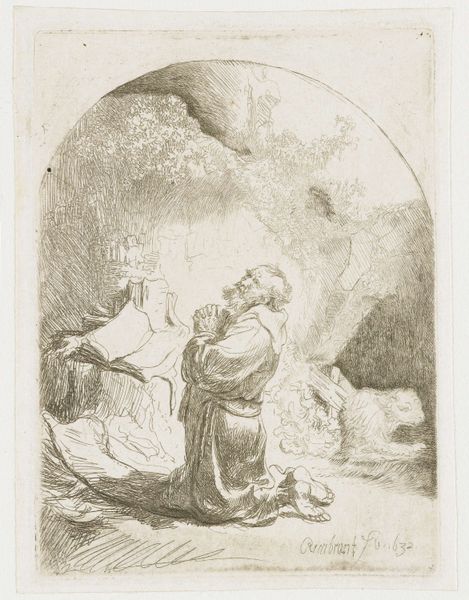
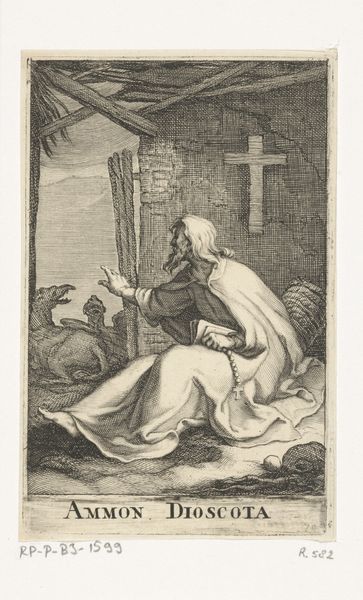
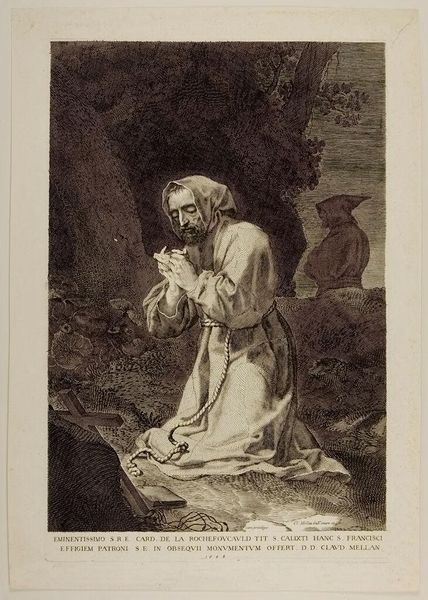
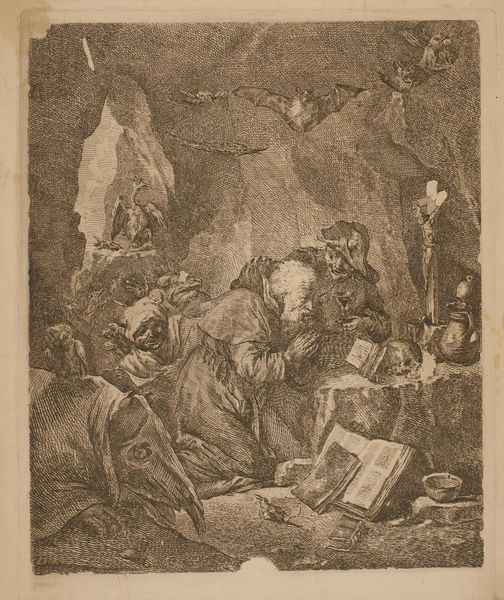
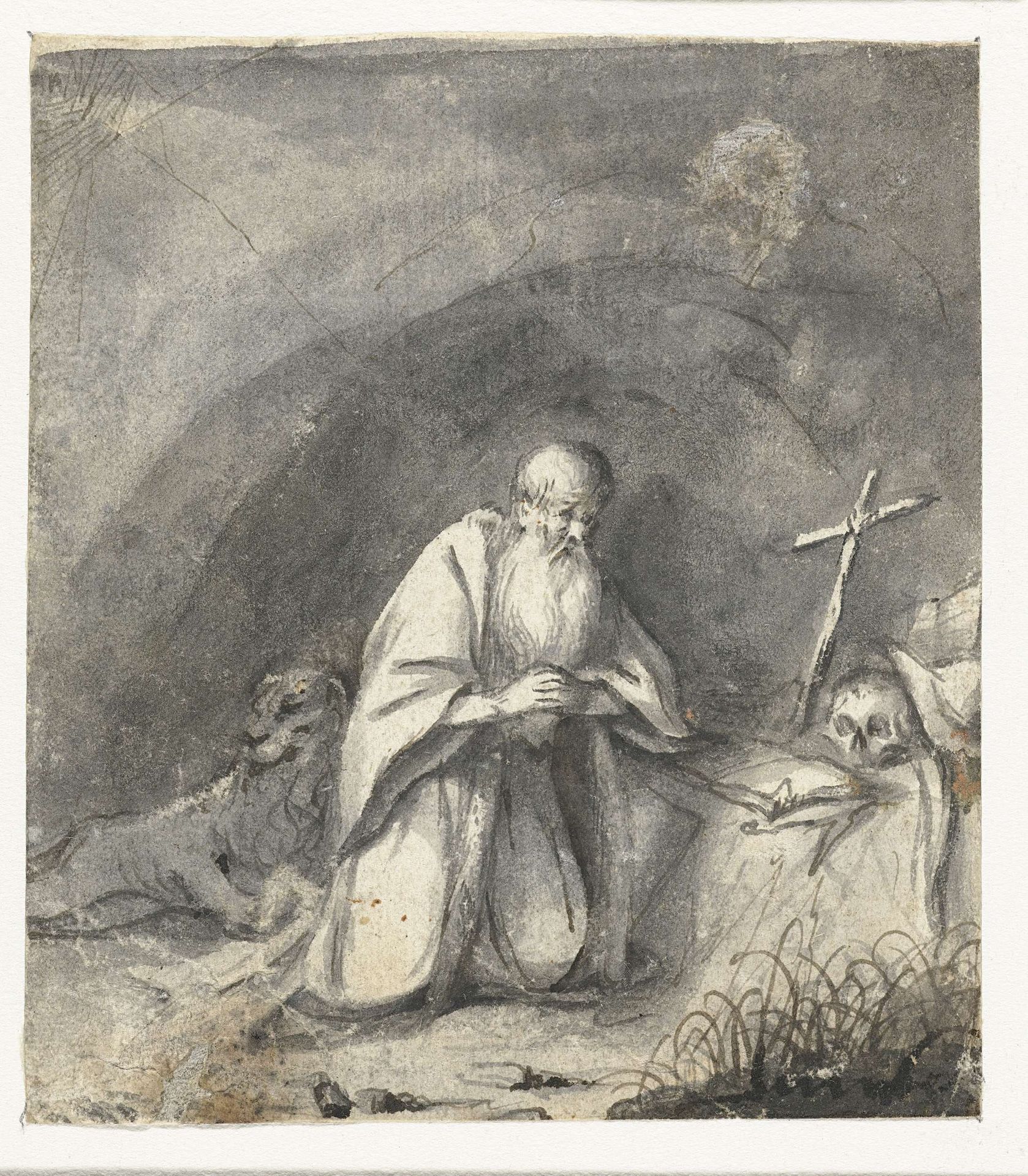
Heilige Hieronymus in de wildernis

Moses ter Borch
1645 - 1667Location
RijksmuseumListen to curator's interpretation
Curatorial notes
Moses ter Borch created this ink drawing titled ‘Saint Jerome in the Wilderness’ in the Netherlands sometime in the mid-17th century. Jerome was a popular figure in the Dutch Golden Age, a time of great prosperity and also of political and religious upheaval. The Dutch Republic was asserting its independence from Spain, and Protestantism was on the rise. In this context, the figure of Saint Jerome, the translator of the Bible, would have resonated deeply. Jerome was a scholar who dedicated his life to the study of scripture, but also retreated to the desert as penance for his sins. The drawing reflects the Dutch interest in realism and humanism. It also subtly critiques the institutions of the Catholic church by emphasizing individual faith and personal devotion. The drawing can be understood in light of the philosophical and religious debates of the time, and can be contextualized through the study of theological tracts, pamphlets and other historical documents. Art history gives us a glimpse into the social forces that shaped the art of the past.