About this artwork
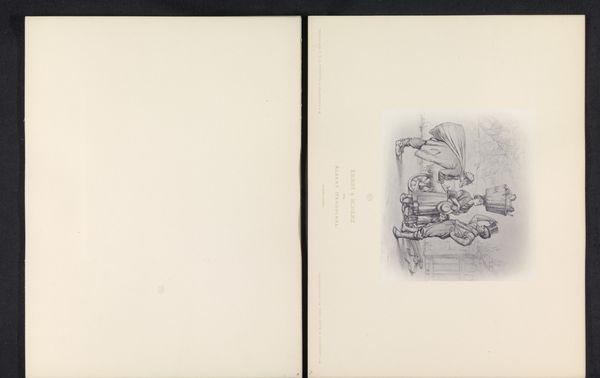
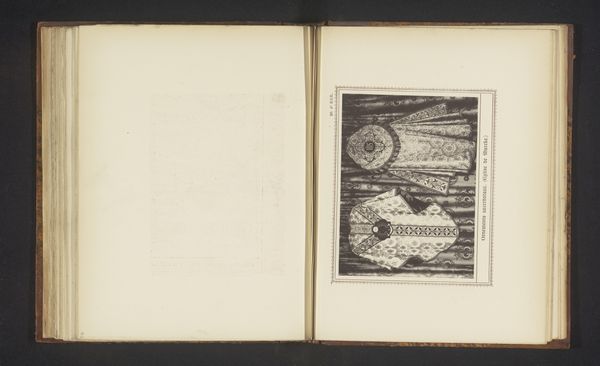
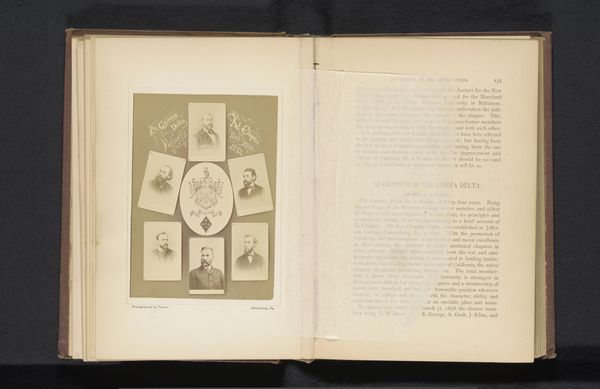
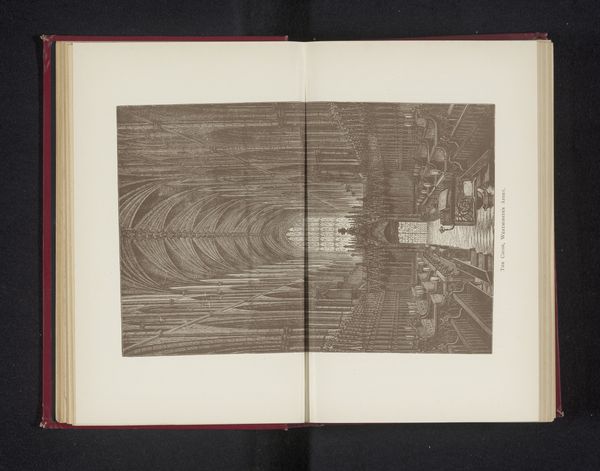
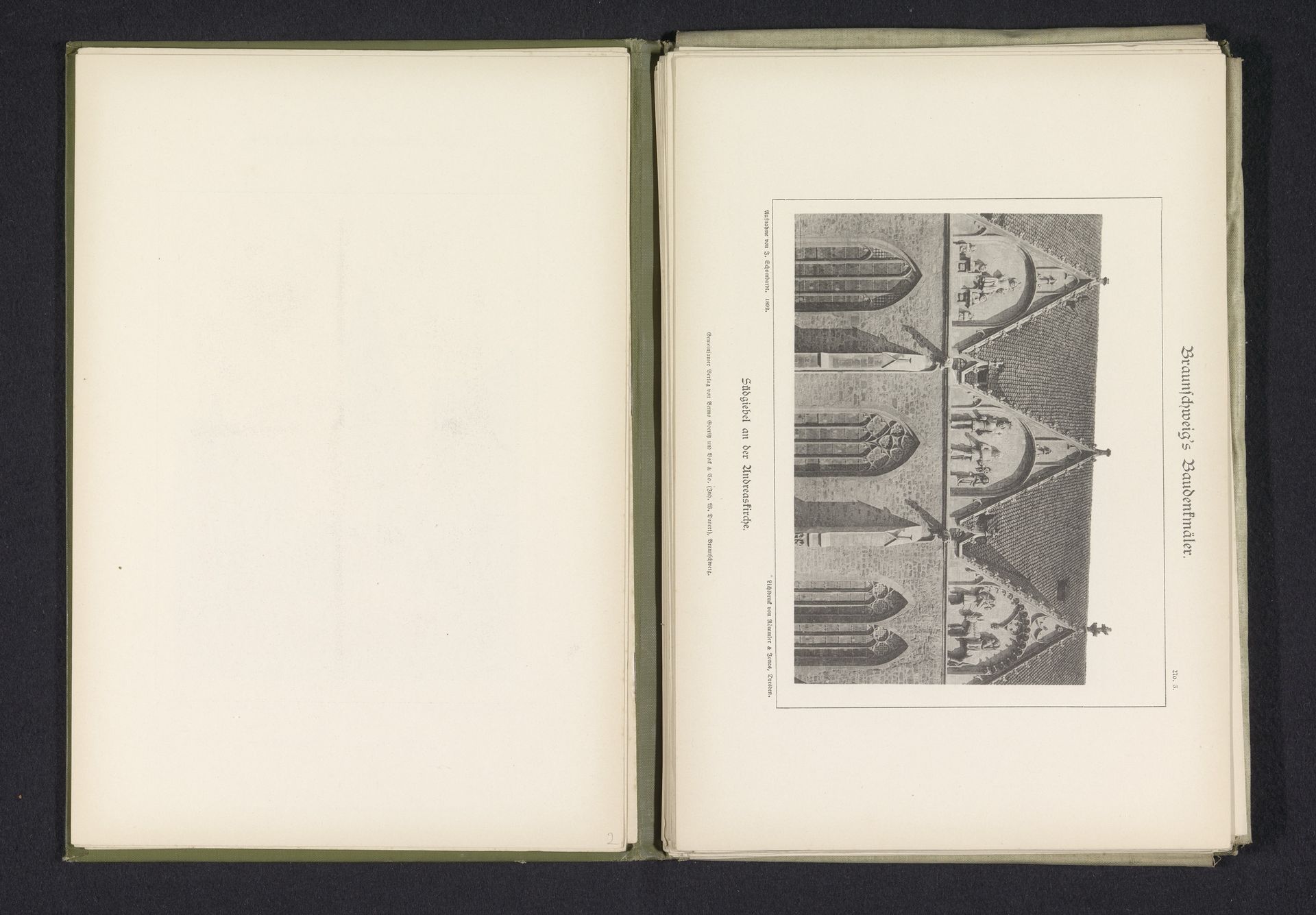
This is a rendering by J. Schombardt of part of the south facade of the Church of St. Andrew in Braunschweig. Look closely at the gable reliefs, architectural details loaded with symbols, reflecting the hopes and fears of medieval society. The seated figures and rosette-like motifs aren't mere decoration. They are potent carriers of meaning rooted in both Christian and pagan traditions. The rosettes, for example, echo ancient solar symbols of life and rebirth, integrated into the church’s structure to imbue it with a sense of cosmic order and divine protection. Consider the persistence of such motifs. Similar rosettes appear in Roman mosaics and even in the architecture of ancient Egypt. This continuity speaks to a deep-seated human need to connect with ancestral beliefs and to ward off chaos. The emotional power of these symbols lies in their ability to evoke a sense of timelessness, engaging us on a subconscious level with the cultural memories embedded within them. These symbols progress in a non-linear way, resurfacing and evolving through history, taking on new meanings.
Deel van de zuidelijke gevel van de Sint-Andreaskerk te Braunschweig
1892

Artwork details
- Medium
- drawing, print, paper, graphite
- Dimensions
- height 116 mm, width 153 mm
- Copyright
- Rijks Museum: Open Domain
Tags
drawing
paper
graphite
building
Comments
Be the first to share your thoughts about this work.
About this artwork
This is a rendering by J. Schombardt of part of the south facade of the Church of St. Andrew in Braunschweig. Look closely at the gable reliefs, architectural details loaded with symbols, reflecting the hopes and fears of medieval society. The seated figures and rosette-like motifs aren't mere decoration. They are potent carriers of meaning rooted in both Christian and pagan traditions. The rosettes, for example, echo ancient solar symbols of life and rebirth, integrated into the church’s structure to imbue it with a sense of cosmic order and divine protection. Consider the persistence of such motifs. Similar rosettes appear in Roman mosaics and even in the architecture of ancient Egypt. This continuity speaks to a deep-seated human need to connect with ancestral beliefs and to ward off chaos. The emotional power of these symbols lies in their ability to evoke a sense of timelessness, engaging us on a subconscious level with the cultural memories embedded within them. These symbols progress in a non-linear way, resurfacing and evolving through history, taking on new meanings.
Comments
Be the first to share your thoughts about this work.