c. 1634 - 1635
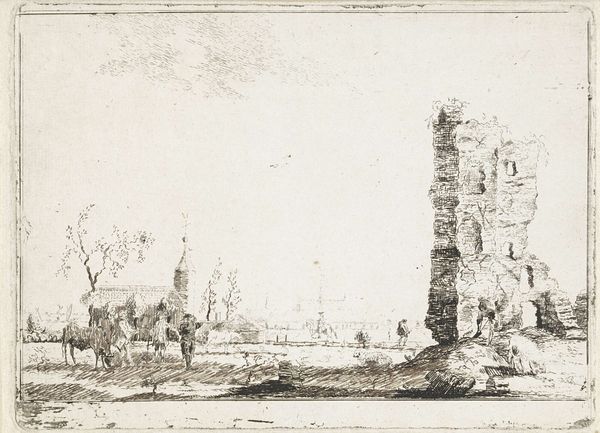
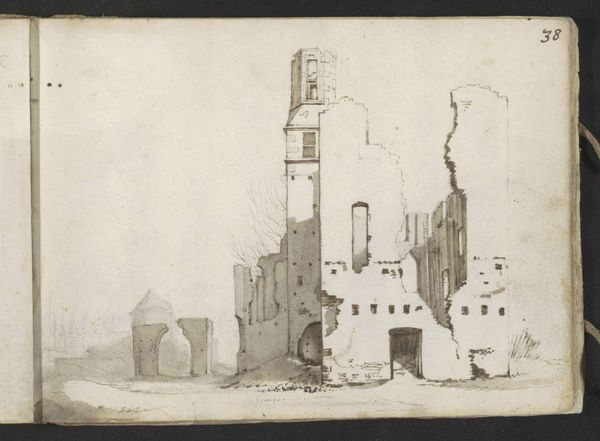
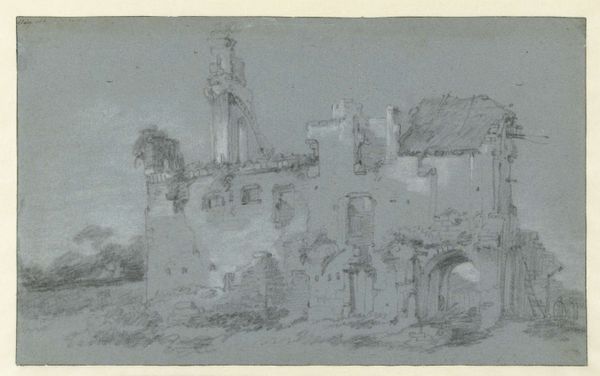
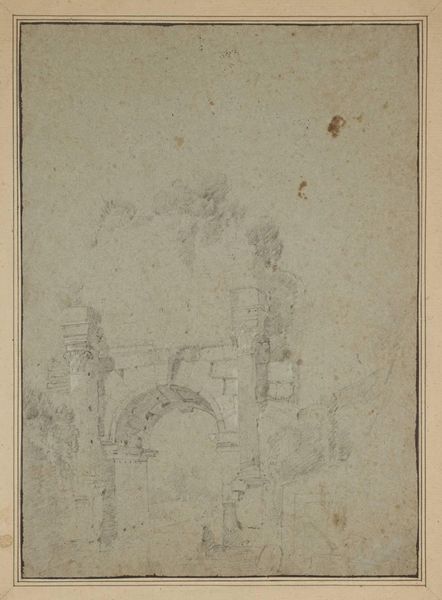
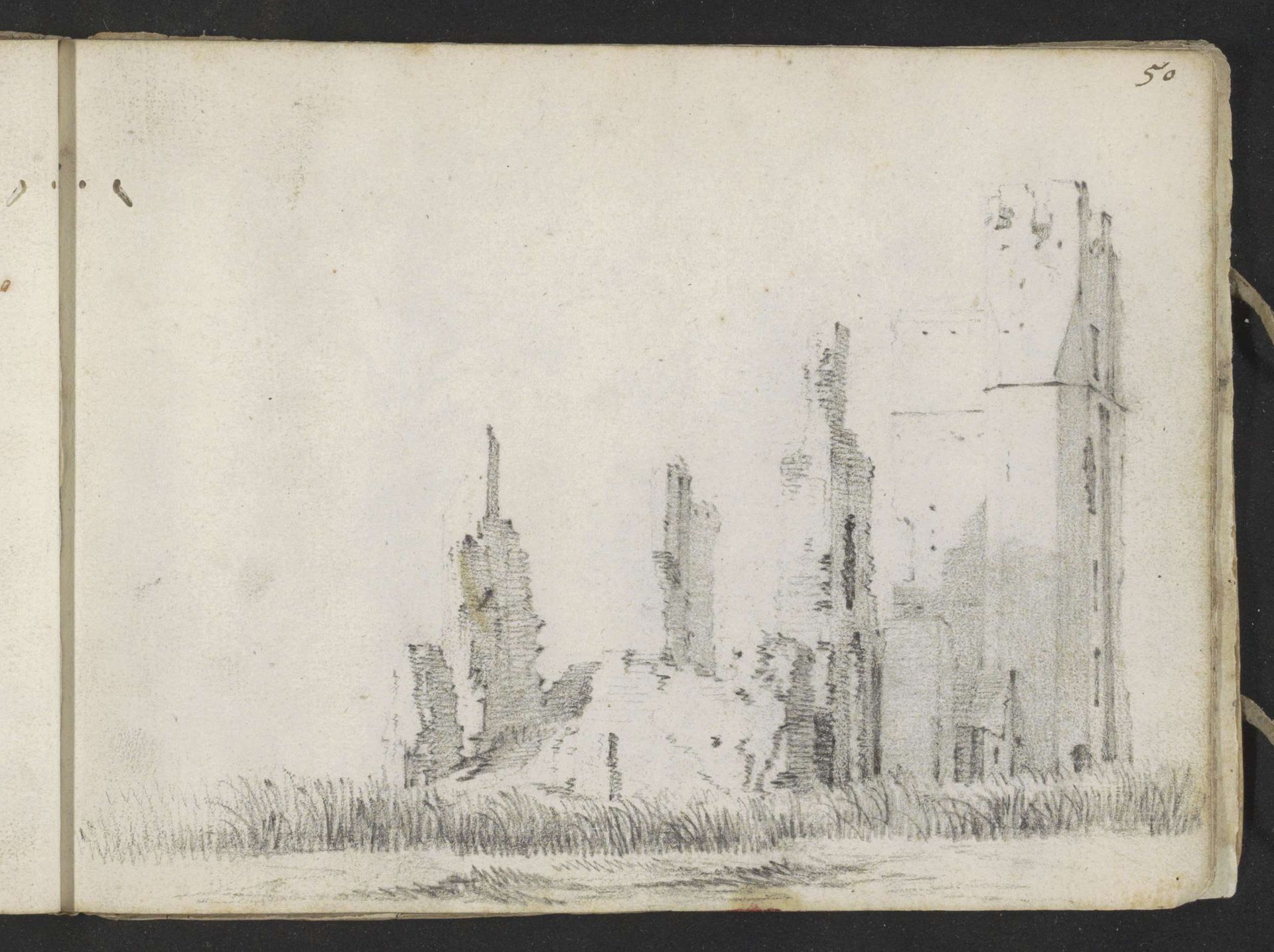
Ruïne van Huis ter Kleef bij Haarlem

Gerard ter (II) Borch
1617 - 1681Location
RijksmuseumListen to curator's interpretation
Curatorial notes
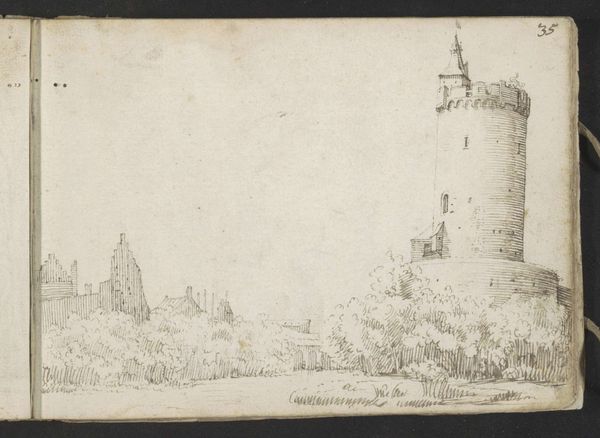
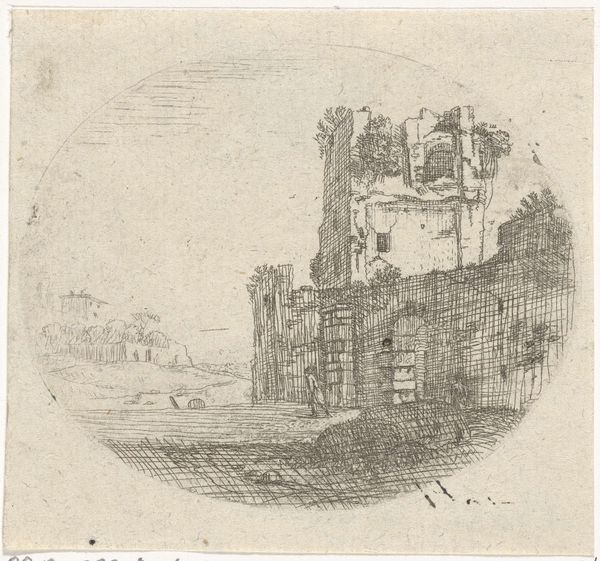
Gerard ter Borch sketched this ruin near Haarlem with graphite on paper. The artist’s attention to the materiality of the ruin itself is striking; he uses the graphite to describe the rough texture of the crumbling brick and stone. Look at the ways the sharp, dark lines contrast with the lighter strokes, conveying the play of light and shadow on the broken surfaces. Ter Borch was likely using graphite sticks, as pencils encased in wood were not yet common. The direct application allowed for varied pressure and shading, critical to capturing the building's decay. Ruins had a powerful symbolism in the 17th century. They stood not only as reminders of the past, but also as symbols of the transience of human endeavor, and the ravages of time and conflict. Ter Borch invites us to consider the history embedded in the very substance of the ruin, and the amount of labor involved in both its construction and its slow disintegration. This piece asks us to rethink our understanding of fine art by exploring how the social and historical contexts inform both the subject and the medium of the artwork.