1925 - 1926
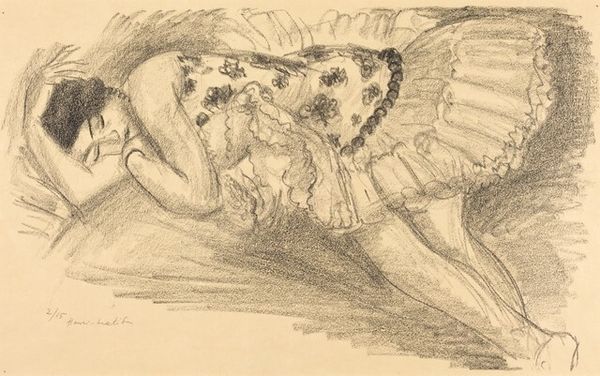
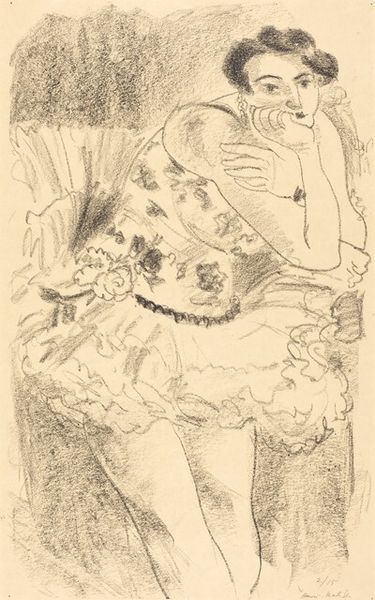
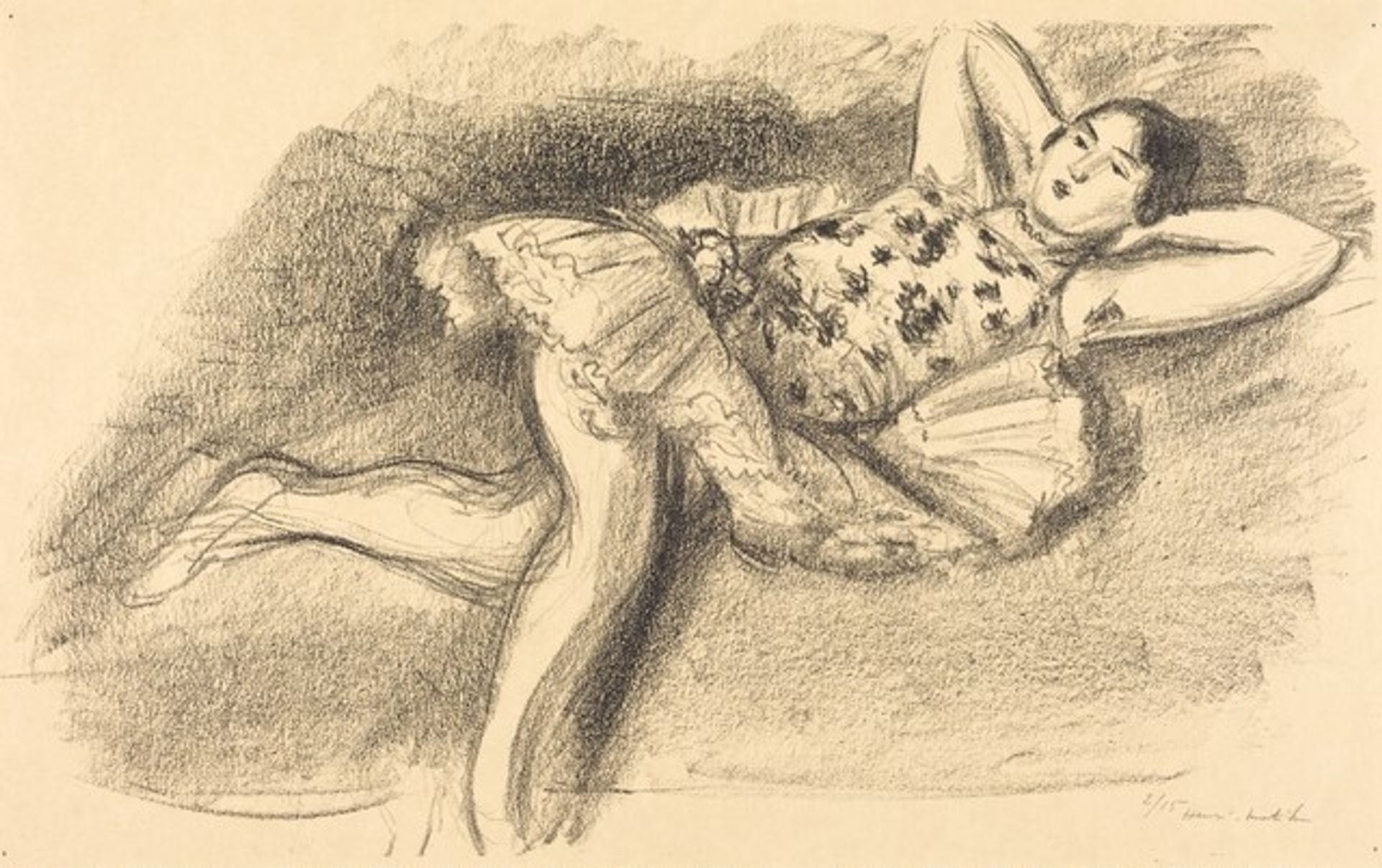
Dix Danseuses V


Listen to curator's interpretation
Curatorial notes
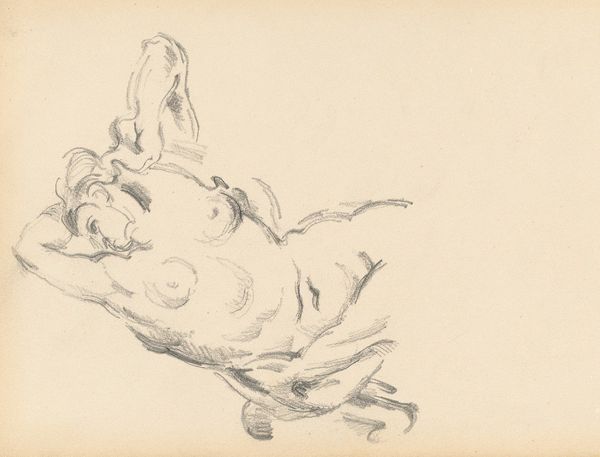
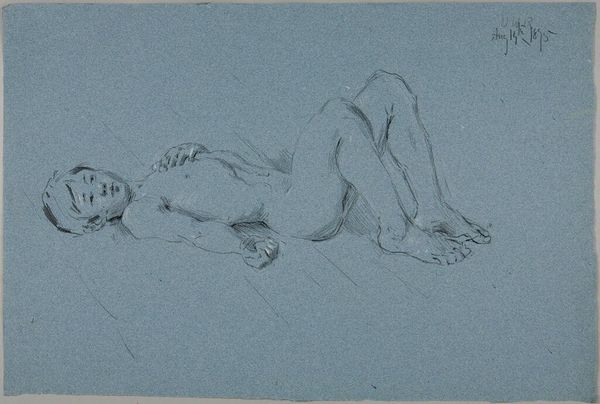
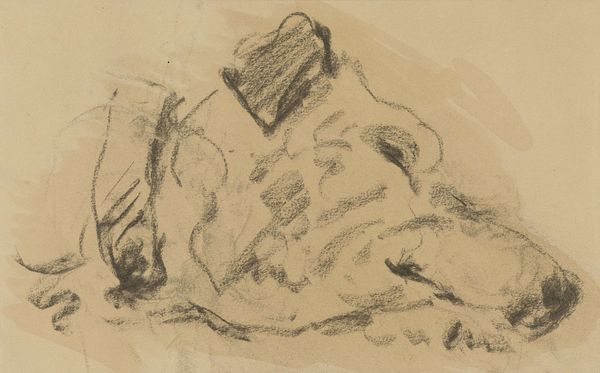
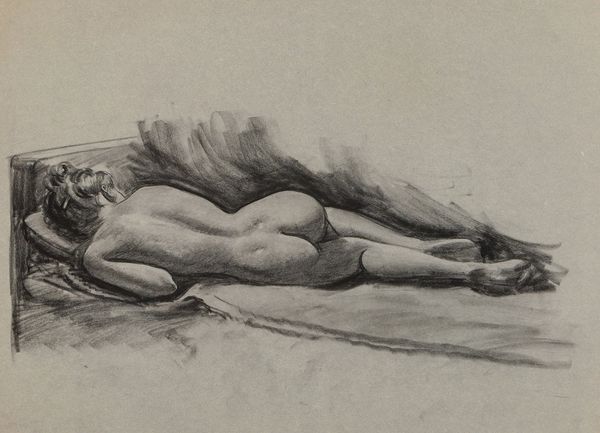
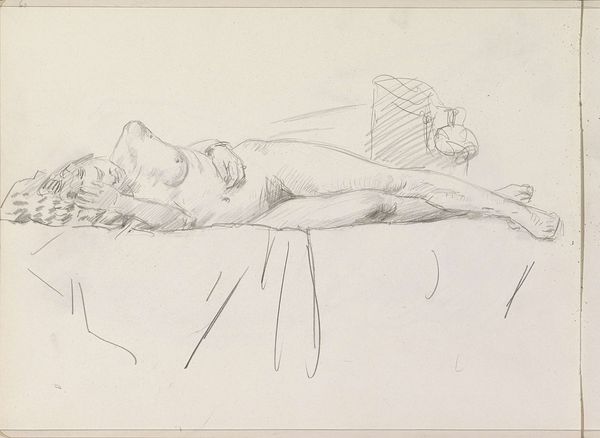
Henri Matisse captured this image of reclining dancers in a drawing. Note how the dancers mirror the classical pose of Venus, particularly the Venus Pudica—a posture of modesty and allure, where the figure is partially nude and covers herself. This gesture is deeply embedded in the collective consciousness, reappearing across cultures and epochs. You can trace it back through antiquity, the Renaissance, and onward. It's fascinating how the motif evolves, adapting to cultural contexts yet retaining its primal impact. Psychologically, this pose speaks to the duality of concealment and revelation, reflecting the complex interplay between self-perception and societal expectations. The emotional resonance of such images, with their subtle dance of exposure and concealment, powerfully engages the viewer on a subconscious level. The cyclical progression of symbols is an unending chain where gestures are revived, reshaped, and imbued with new layers of meaning.