About this artwork
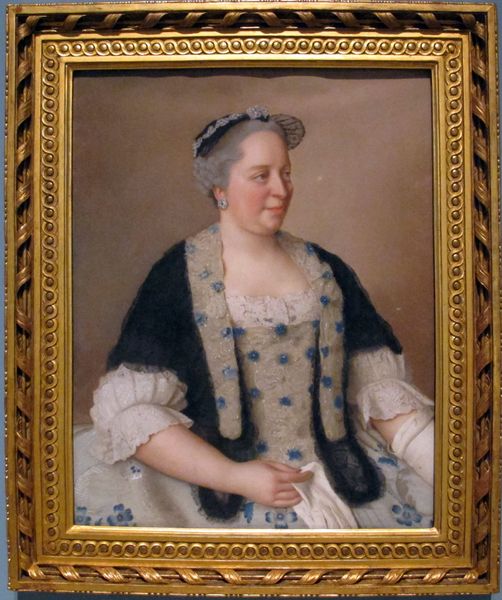
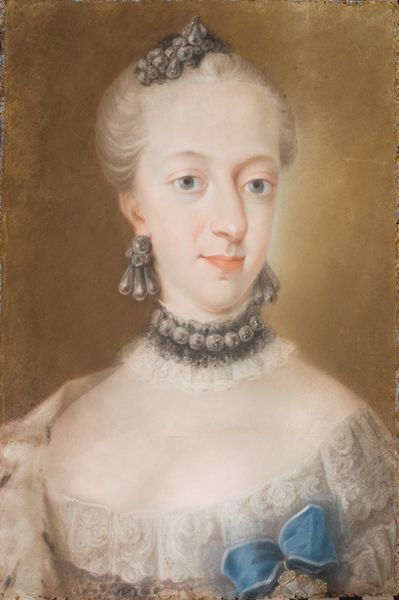
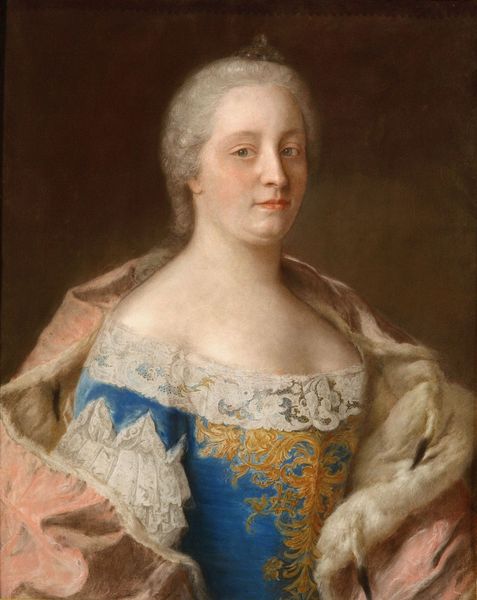
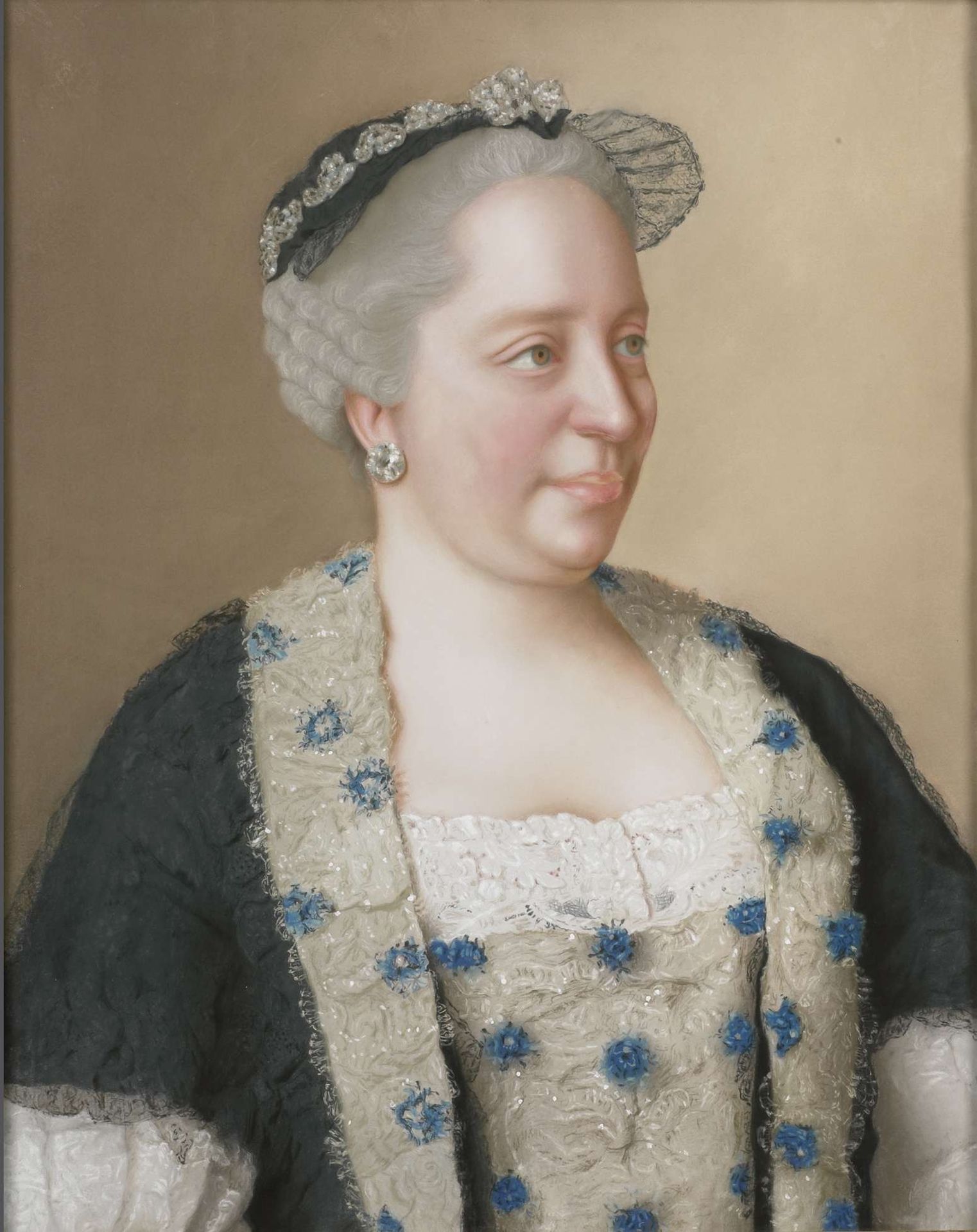
Jean-Étienne Liotard captured Maria Theresa, the Archduchess of Austria and Holy Roman Empress, in pastel. The style and medium reflect the artistic tastes of the European elite in the 18th century, where pastel portraits were fashionable for their soft, flattering effects. Painted in the Dutch Republic, a place known for its relatively open society and thriving art market, the image creates meaning through visual codes of royalty: the diamond earring, the elaborate dress trimmed with lace, and her dignified poise. It's important to remember that this image was also political. Maria Theresa was an important Hapsburg ruler, navigating dynastic politics while embodying the ideals of enlightened absolutism. By researching the cultural history and the institutions of the time, such as the royal courts and artistic academies, we can understand Liotard's portrait as a representation of power, status, and the complex interplay between art and politics.
Maria Theresia van Oostenrijk (1717-80), aartshertogin van Oostenrijk, koningin van Hongarije en Bohemen, Rooms-Duits keizerin
1762

Jean-Étienne Liotard
1702 - 1789Location
RijksmuseumArtwork details
- Medium
- painting, pastel
- Dimensions
- height 62.5 cm, width 50.7 cm, weight 9.2 kg, height 77.5 cm, width 65.6 cm, thickness 5.2 cm
- Location
- Rijksmuseum
- Copyright
- Rijks Museum: Open Domain
Tags
Comments
Share your thoughts
About this artwork
Jean-Étienne Liotard captured Maria Theresa, the Archduchess of Austria and Holy Roman Empress, in pastel. The style and medium reflect the artistic tastes of the European elite in the 18th century, where pastel portraits were fashionable for their soft, flattering effects. Painted in the Dutch Republic, a place known for its relatively open society and thriving art market, the image creates meaning through visual codes of royalty: the diamond earring, the elaborate dress trimmed with lace, and her dignified poise. It's important to remember that this image was also political. Maria Theresa was an important Hapsburg ruler, navigating dynastic politics while embodying the ideals of enlightened absolutism. By researching the cultural history and the institutions of the time, such as the royal courts and artistic academies, we can understand Liotard's portrait as a representation of power, status, and the complex interplay between art and politics.
Comments
Share your thoughts