About this artwork
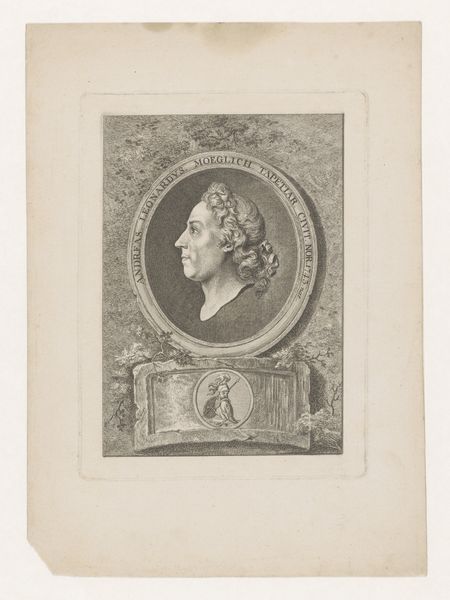
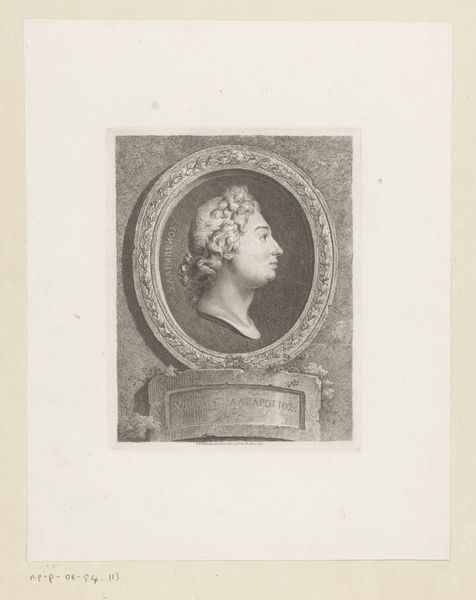
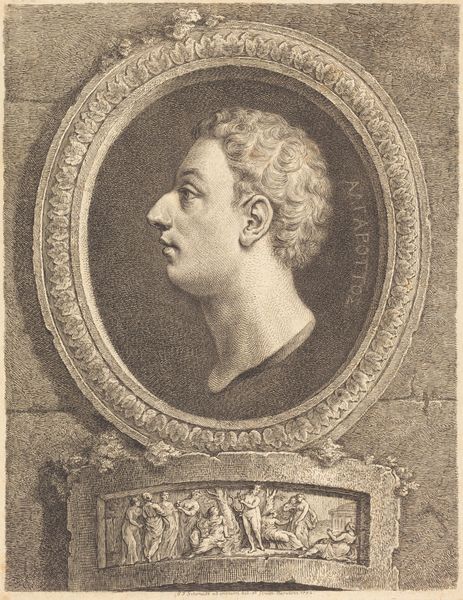
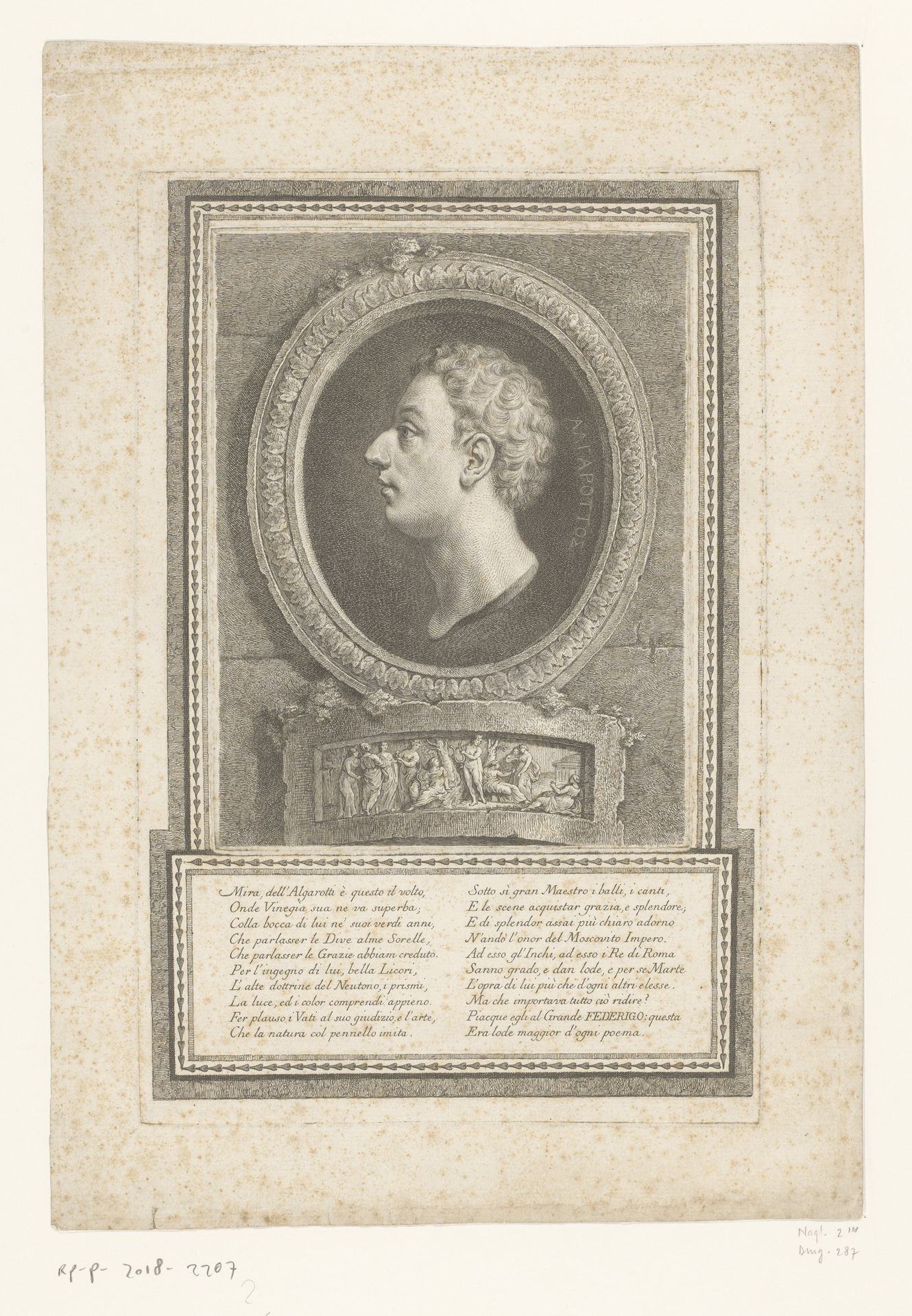
Georg Friedrich Schmidt created this engraving, titled "Portret van Francesco Algarotti," but its date remains unknown. Schmidt captures Algarotti, an Italian polymath and intellectual, in profile. During the 18th century, figures like Algarotti navigated a world of aristocratic patronage and intellectual exchange, where one's image and reputation were currency. Note how the portrait isn’t just a likeness, but a carefully constructed representation of status. The elaborate frame, the classical relief below, and the inscription all contribute to an image of Algarotti as a man of taste, learning, and importance. It's fascinating to consider how Algarotti, as a figure of the Enlightenment, used his image to cultivate a particular persona. Were these portraits a reflection of genuine character, or a carefully crafted performance? What aspects of Algarotti's identity were emphasized, and which were suppressed? Ultimately, the portrait invites us to consider the relationship between image, identity, and power in the 18th century. It's a reminder that portraits are not simply neutral records, but active participants in the construction of identity.

Artwork details
- Medium
- print, metal, paper, engraving
- Dimensions
- height 215 mm, width 163 mm, height 327 mm, width 216 mm
- Location
- Rijksmuseum
- Copyright
- Rijks Museum: Open Domain
Tags
Comments
Share your thoughts
About this artwork
Georg Friedrich Schmidt created this engraving, titled "Portret van Francesco Algarotti," but its date remains unknown. Schmidt captures Algarotti, an Italian polymath and intellectual, in profile. During the 18th century, figures like Algarotti navigated a world of aristocratic patronage and intellectual exchange, where one's image and reputation were currency. Note how the portrait isn’t just a likeness, but a carefully constructed representation of status. The elaborate frame, the classical relief below, and the inscription all contribute to an image of Algarotti as a man of taste, learning, and importance. It's fascinating to consider how Algarotti, as a figure of the Enlightenment, used his image to cultivate a particular persona. Were these portraits a reflection of genuine character, or a carefully crafted performance? What aspects of Algarotti's identity were emphasized, and which were suppressed? Ultimately, the portrait invites us to consider the relationship between image, identity, and power in the 18th century. It's a reminder that portraits are not simply neutral records, but active participants in the construction of identity.
Comments
Share your thoughts