c. 1893 - 1895
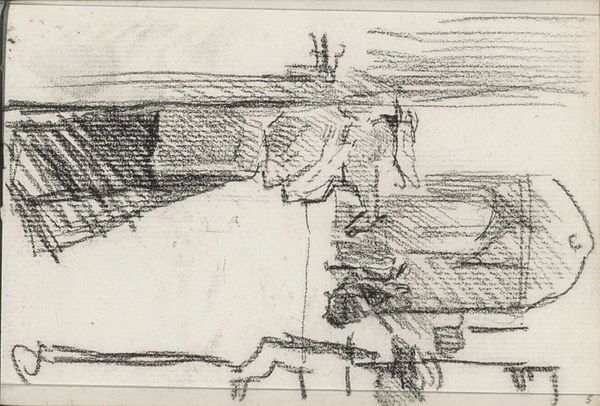
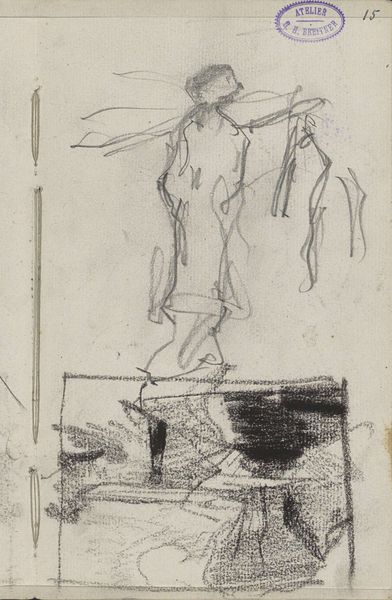
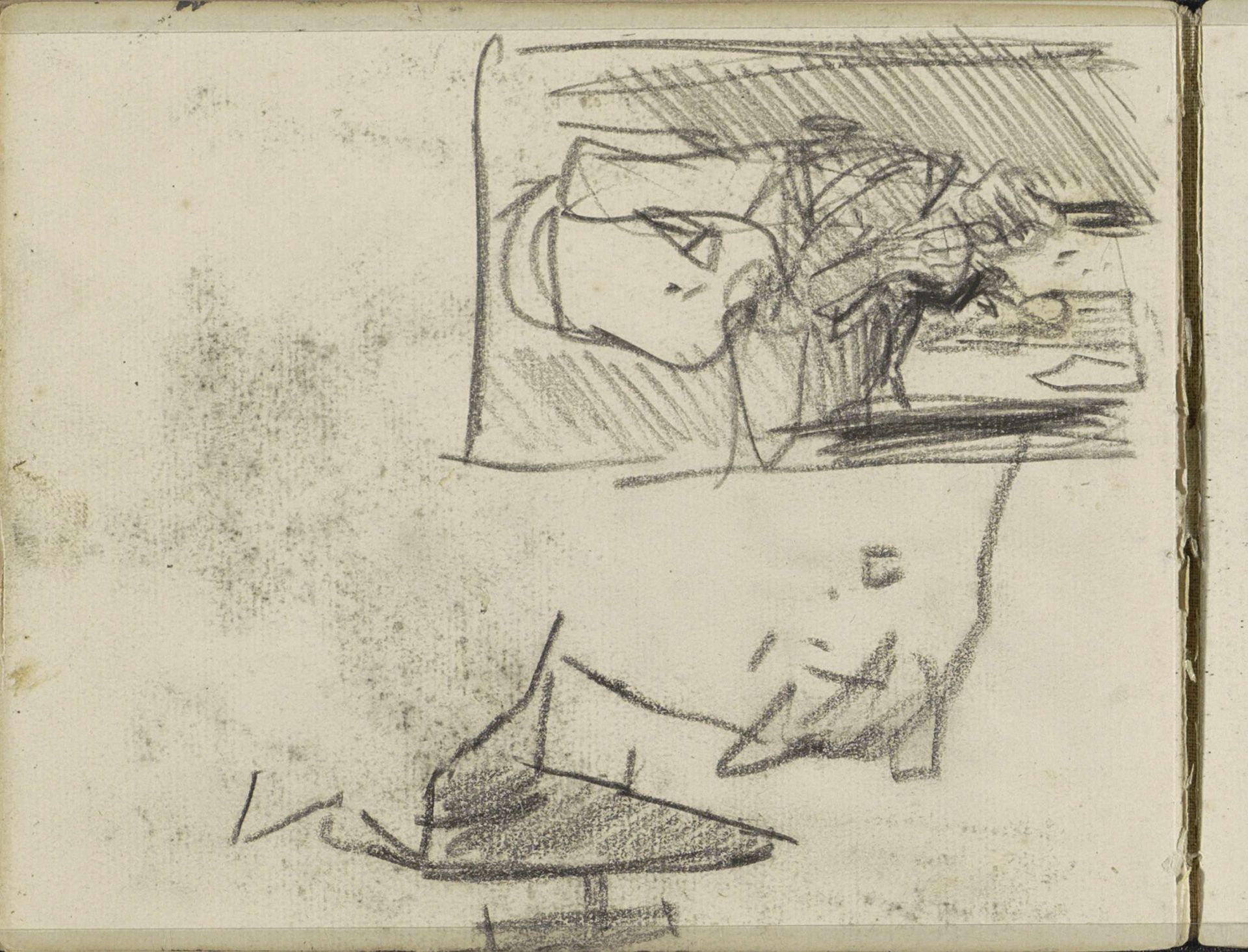
Two Horses’ Heads and a Sitting Girl in a Kimono

George Hendrik Breitner
1857 - 1923Location
RijksmuseumListen to curator's interpretation
Curatorial notes
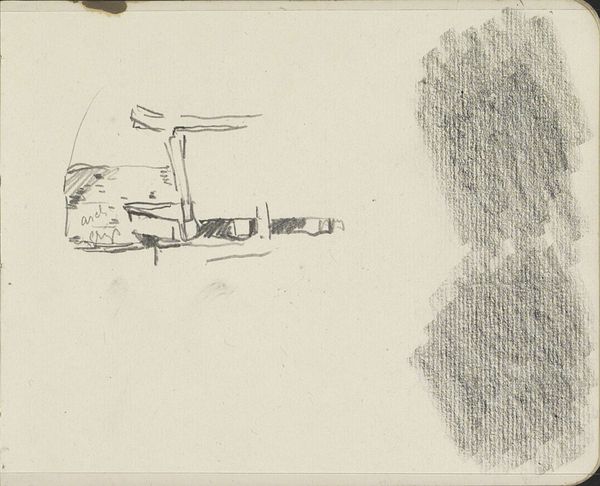
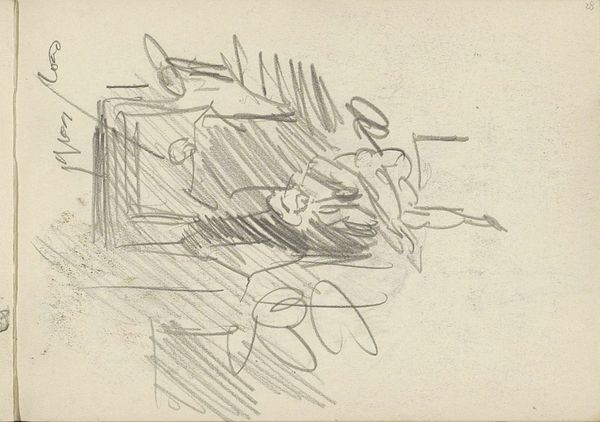
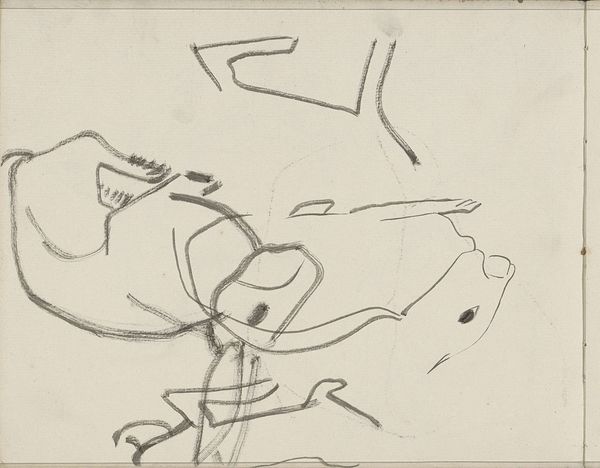
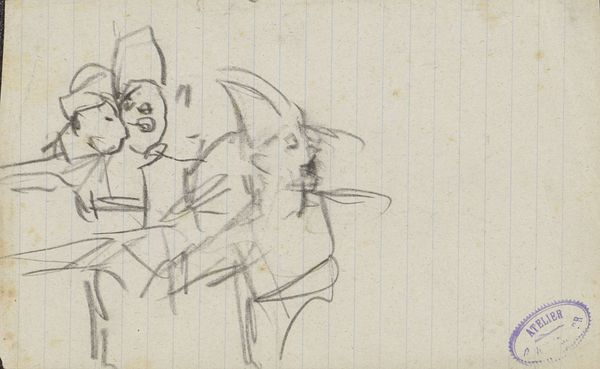
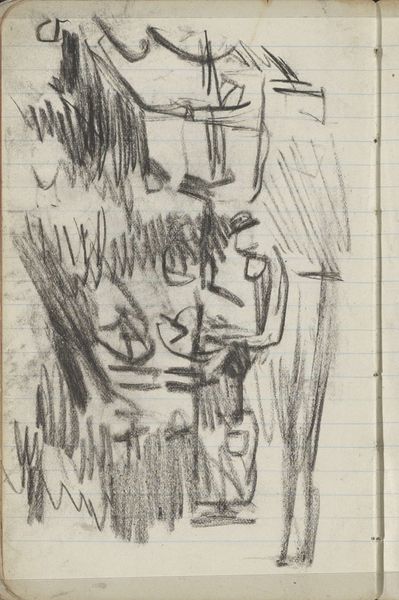
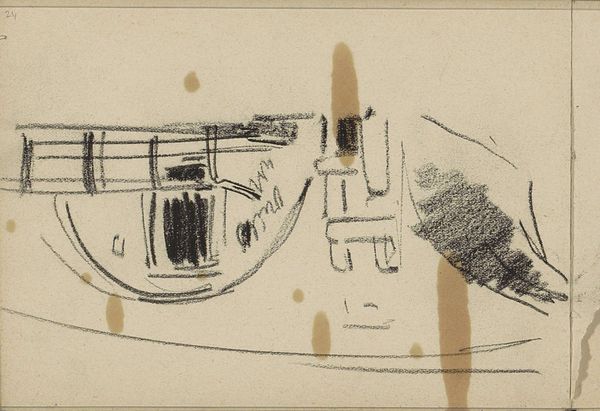
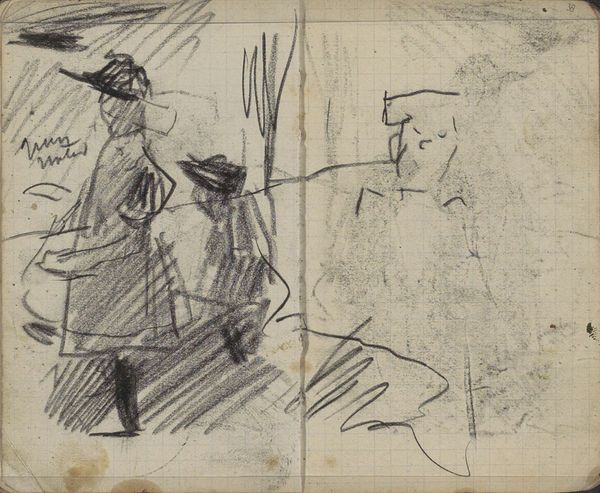
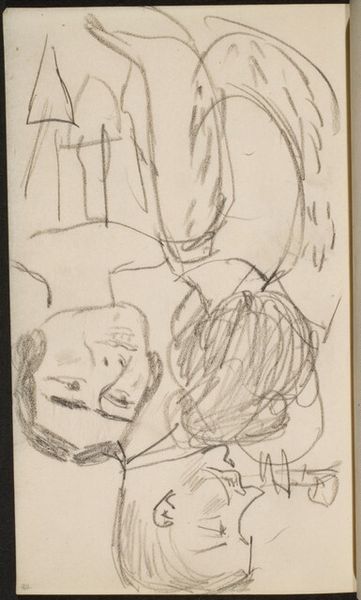
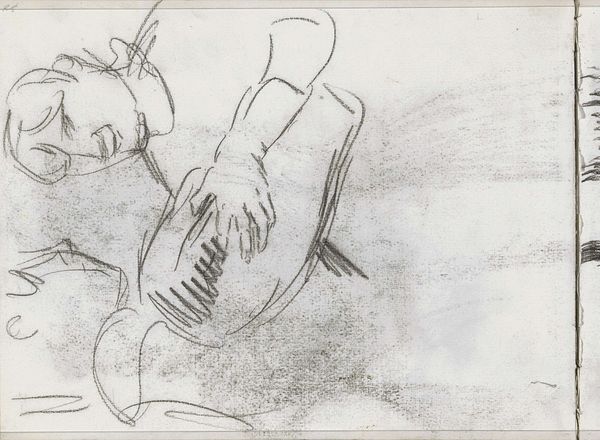
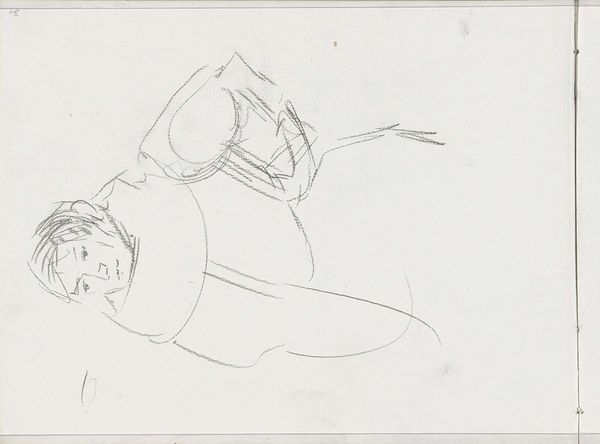
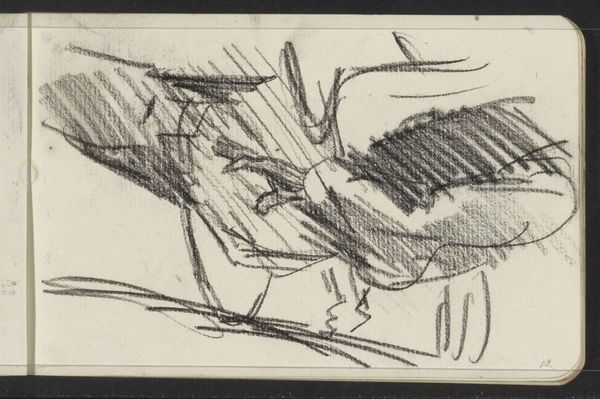
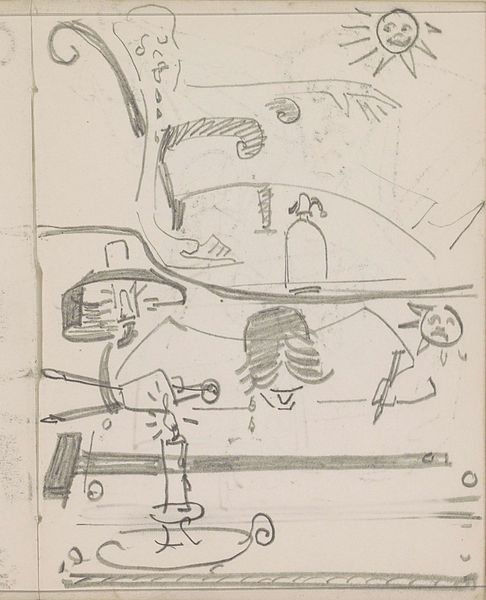
Editor: So this quirky sketch, "Two Horses’ Heads and a Sitting Girl in a Kimono," was done around 1893-1895 by George Hendrik Breitner. It looks like pencil on toned paper. The composition feels very informal, almost like a page from a sketchbook. What's your interpretation of its significance, looking at it through a historical lens? Curator: It is interesting to observe Breitner, known for his street photography and depictions of Amsterdam, exploring such seemingly disparate subjects here. This work really pulls us into the dynamic of Orientalism in late 19th-century European art, and specifically how Dutch artists like Breitner engaged with non-Western aesthetics and how they incorporated them. Note the stylistic difference in his representation of the girl in a kimono and of the horses’ heads above her; can we read into his different styles any social hierarchy at play? Editor: I hadn’t thought about it in terms of Orientalism, but the kimono is a huge clue! I was initially just struck by the unfinished quality, like he was experimenting with different subjects on the same page. Do you think the horses might tie into Dutch national identity at the time? Curator: Potentially. Horses carried considerable weight culturally and symbolically in 19th-century European society, associated with the aristocracy, military prowess, and, importantly, agrarian life. Considering that, how might his contemporary audience have viewed this juxtaposition of the local and the exotic? Was this integration intended as harmonious, or did it speak to a larger tension within Dutch society as it confronted globalization and cultural exchange? Editor: That's fascinating. It really opens up a much wider field of associations than I initially perceived. Thanks! Curator: My pleasure. Thinking about this sketch in relation to Orientalism, social context, and nationalism gives a whole new appreciation for the work, right?