1705 - 1769
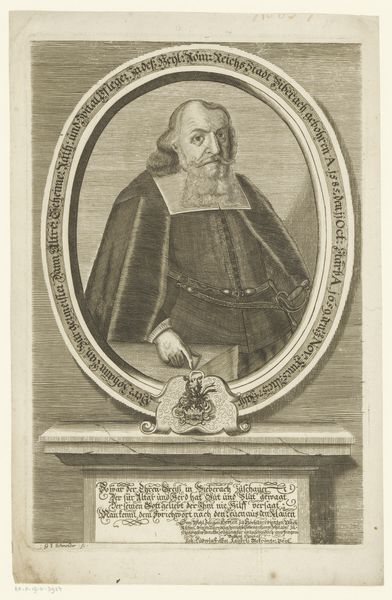
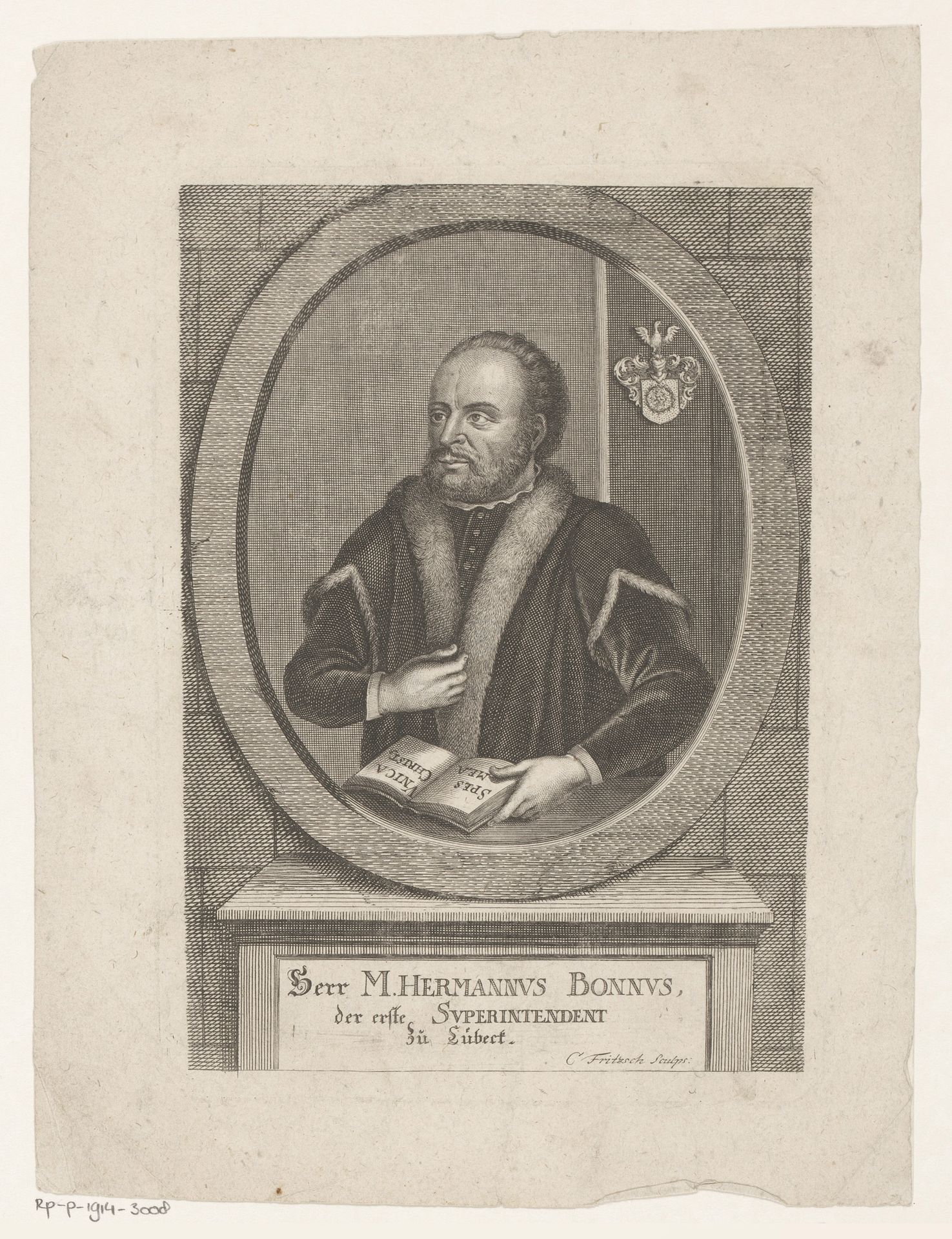
Portret van Hermann Bonnus

Christian Fritzsch
1695 - 1769Location
RijksmuseumListen to curator's interpretation
Curatorial notes
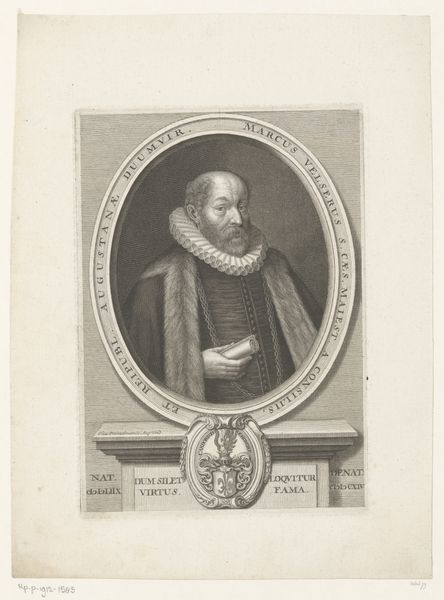
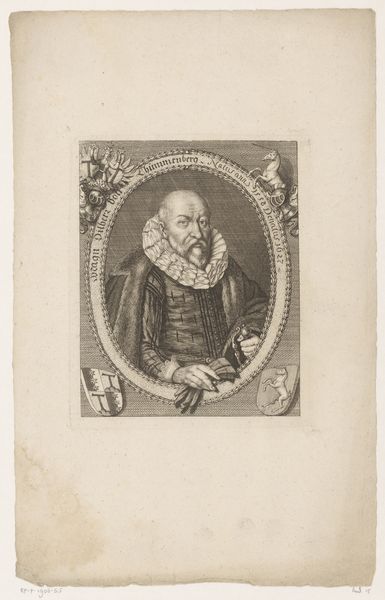
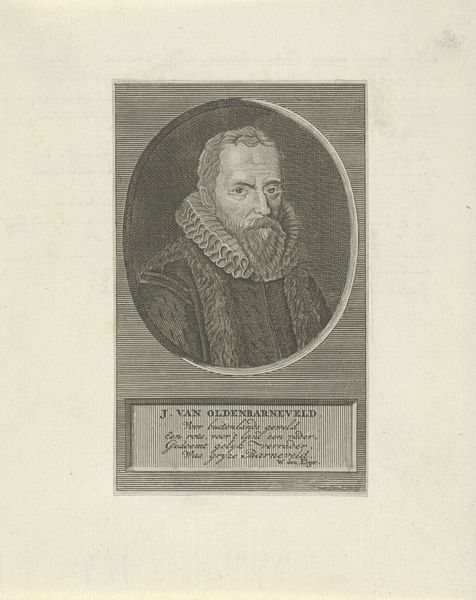
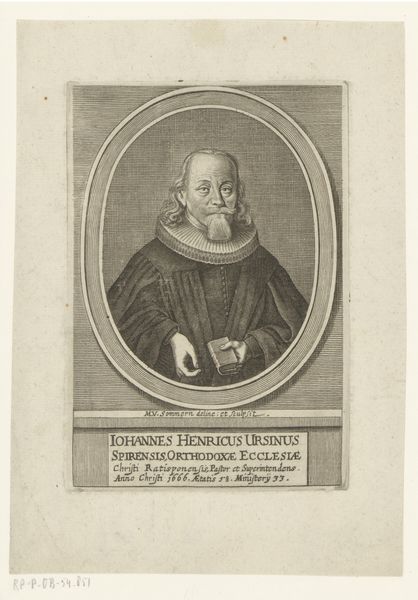
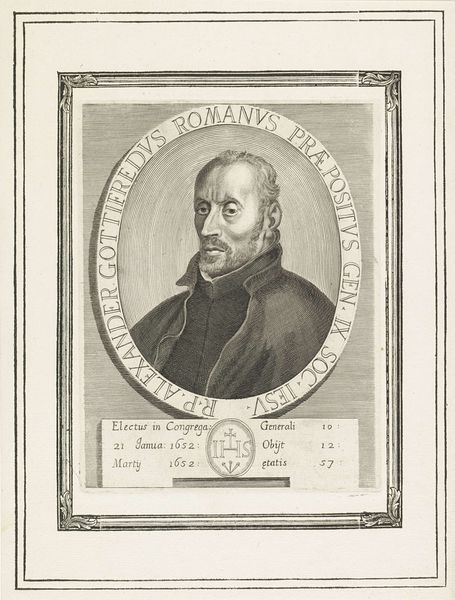
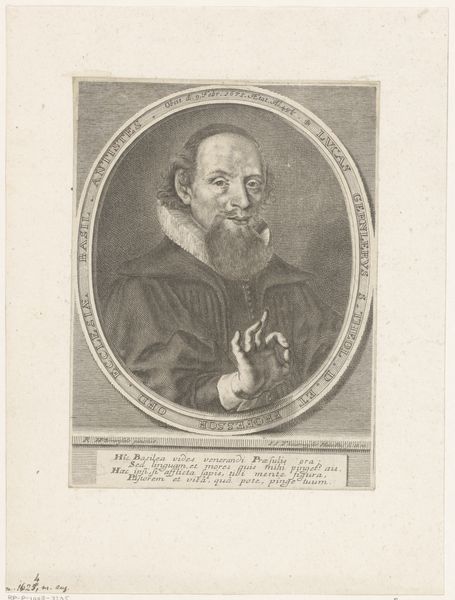
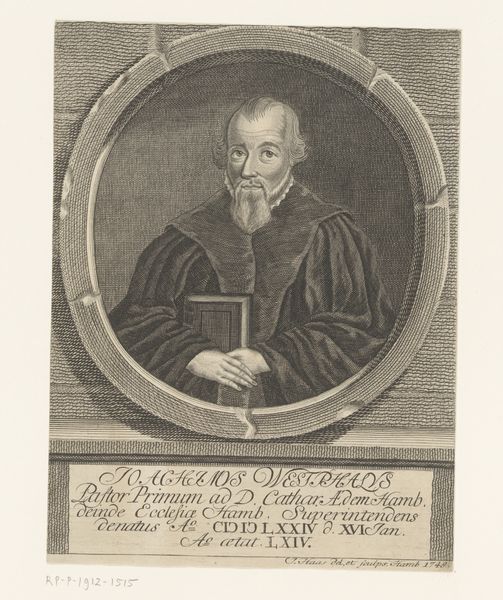
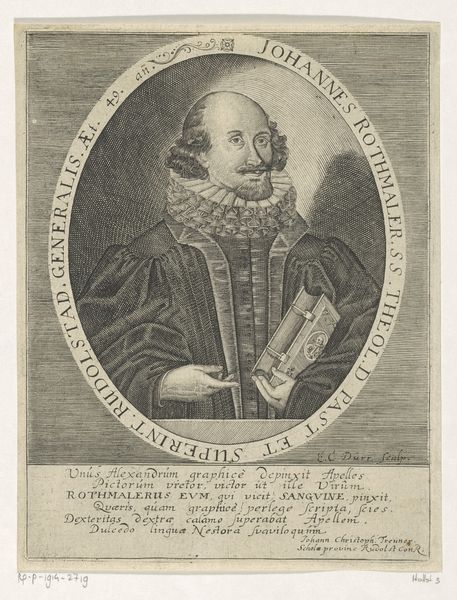
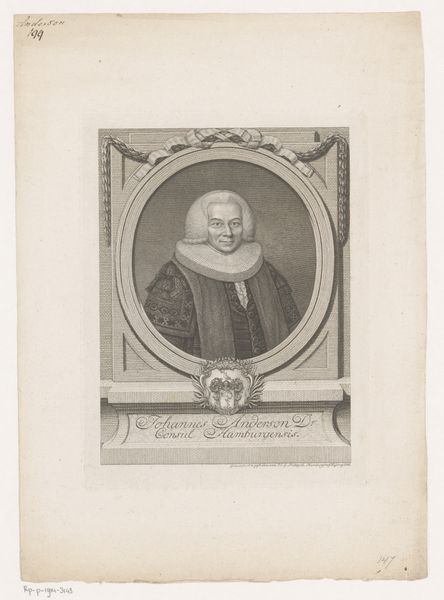
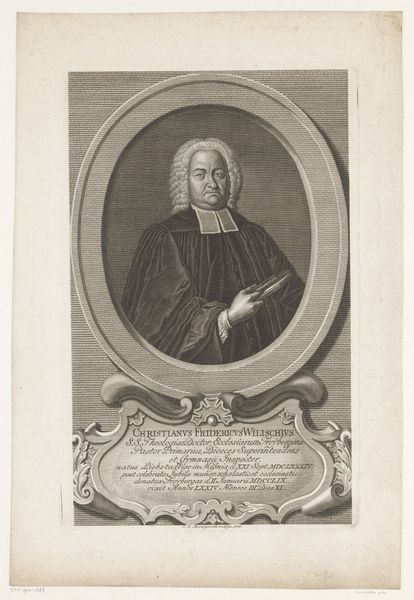
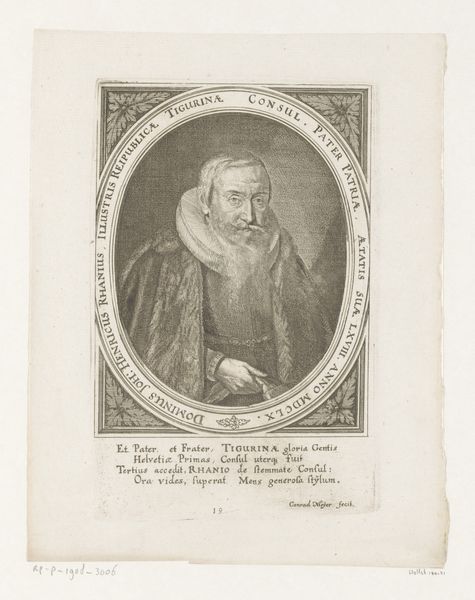
This print of Hermann Bonnus was created by Christian Fritzsch, sometime in the first half of the 1700s. It's an engraving, meaning that the image was incised into a metal plate, likely copper, with a tool called a burin. Look closely and you'll see the extraordinary detail that Fritzsch achieved. The density of marks creates tone, suggesting the textures of Bonnus’s fur-lined robes, the pages of his book, and even the texture of his skin. This was a laborious, highly skilled process, demanding years of training. Engravings like this one played a crucial role in early modern society. They were a primary means of visual communication, used to disseminate portraits like this one but also maps, scientific diagrams, and illustrations of all kinds. Consider the sheer amount of work that went into this image, and all the prints that could be pulled from the plate. It’s a reminder that even seemingly simple images have a rich history of labor, skill, and cultural meaning embedded within them.