c. 1822
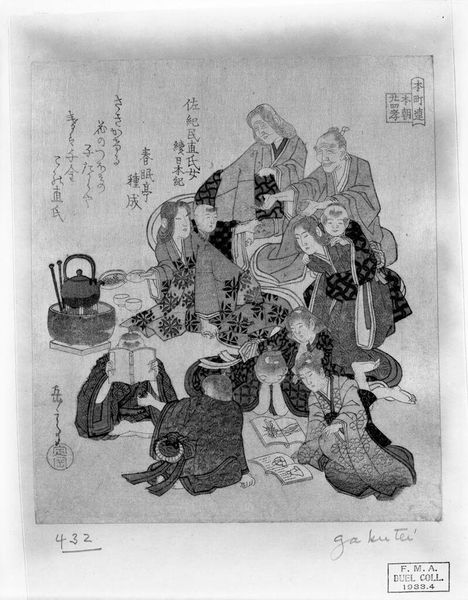
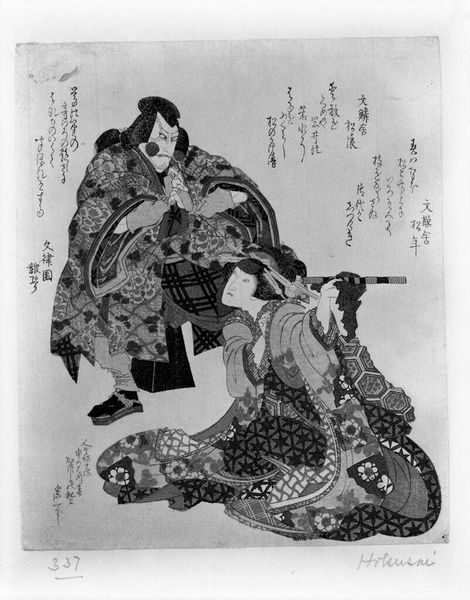
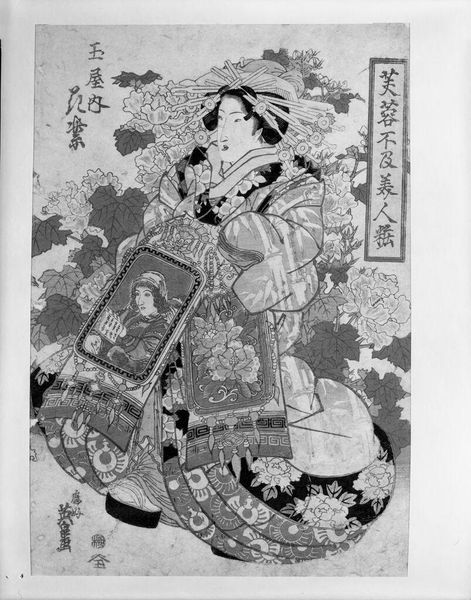
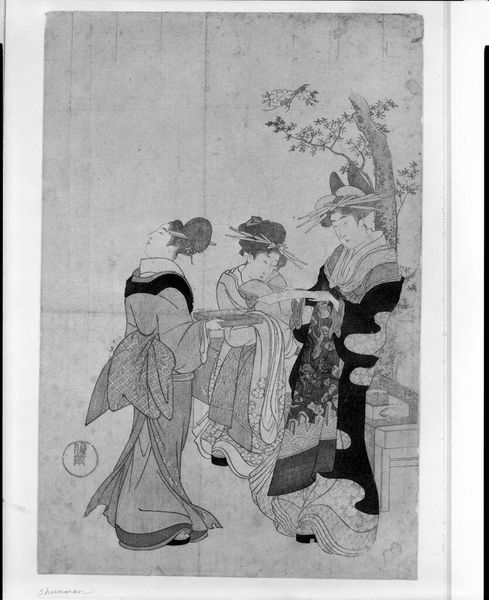
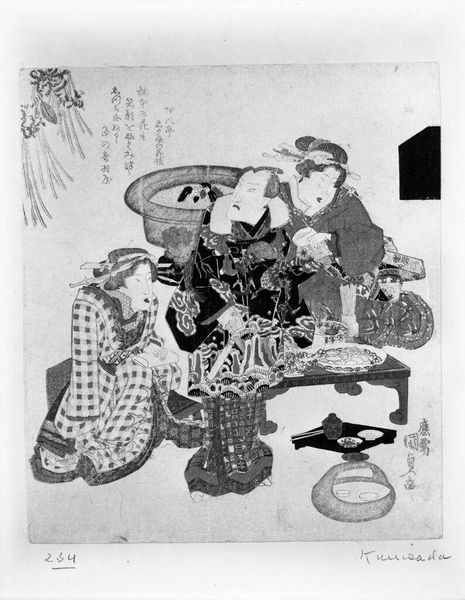
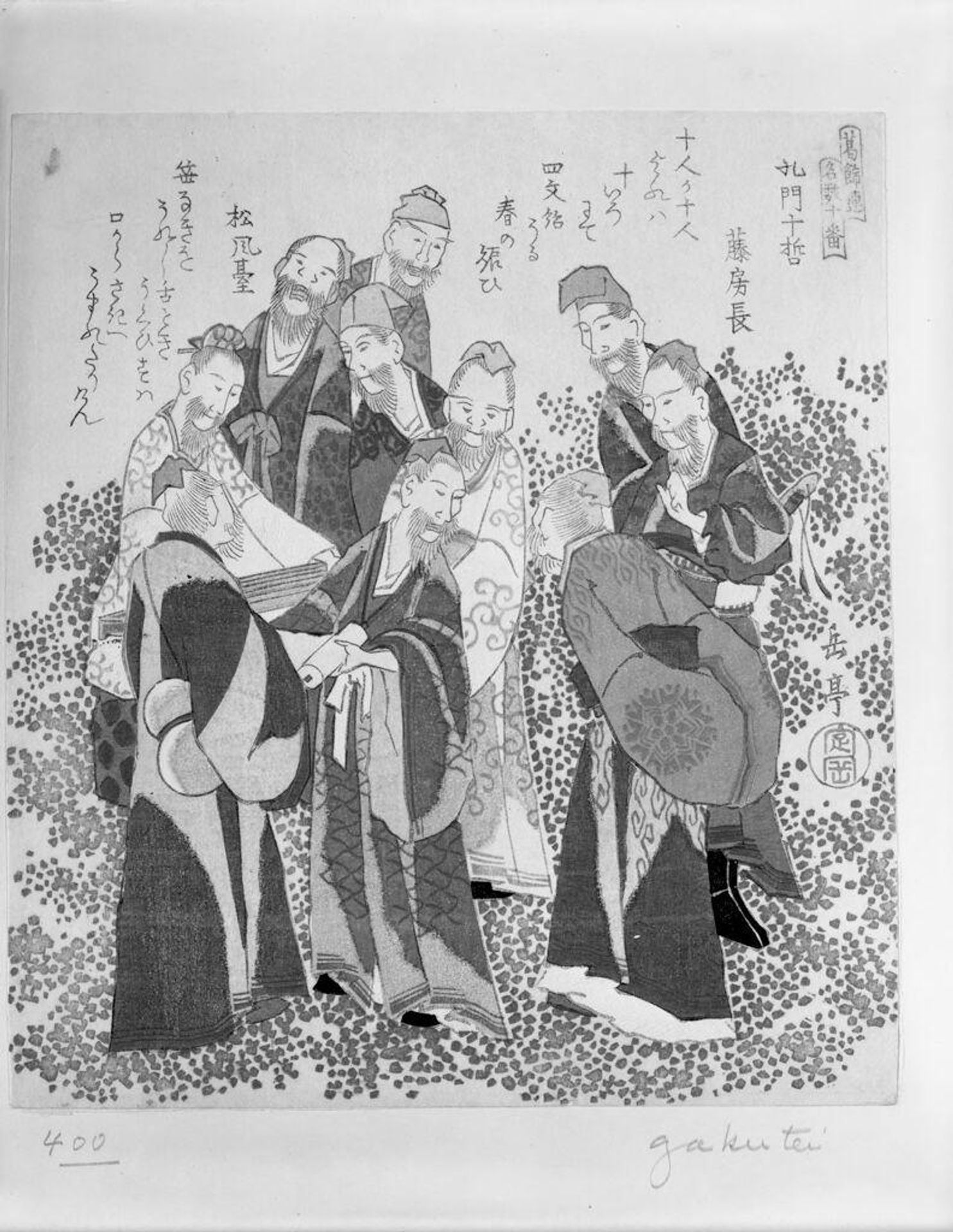
Ten Disciples of Confucius (Koman jūtetsu), from the series Poems of Ten Famous Numbers for the Edo Poetry Club (Katsushikaren meisū jūban)


Listen to curator's interpretation
Curatorial notes
Curator: This print, currently held in the Harvard Art Museums, is by Yashima Gakutei. It depicts the Ten Disciples of Confucius, part of a series called "Poems of Ten Famous Numbers for the Edo Poetry Club." Editor: Immediately, I’m drawn to the careful arrangements of figures within that textured ground, each man seems burdened by history, knowledge, or perhaps even doubt. Curator: Given its production context for a poetry club, the materiality is key. The printmaking process allowed for wider circulation among Edo period literary circles, fostering dialogue and intellectual exchange. Editor: The grouping evokes powerful associations. In this instance, the disciples symbolize wisdom, yet there's a certain austerity in their expressions—a weight of responsibility, maybe? Curator: Absolutely. The print’s creation facilitated the consumption of both image and idea, allowing a material object to embody and distribute Confucian values. Editor: Reflecting on it, the image's strength lies in its ability to condense so much—spiritual seeking, social order, and the weight of tradition—into this intimate, hand-sized format. Curator: Precisely, and by examining its materials and the context of its production, we can better understand its role in shaping cultural discourse.