About this artwork
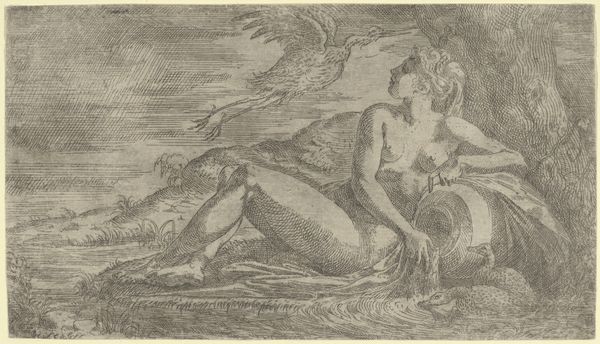
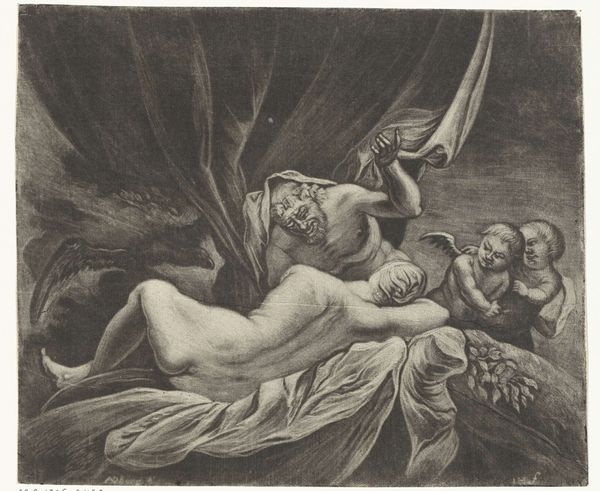
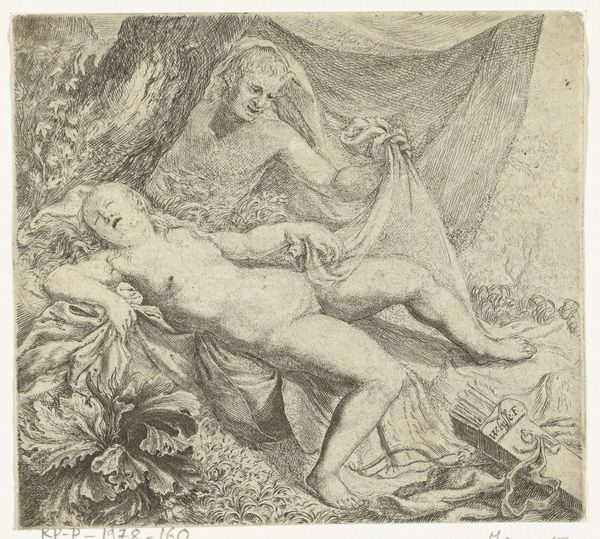
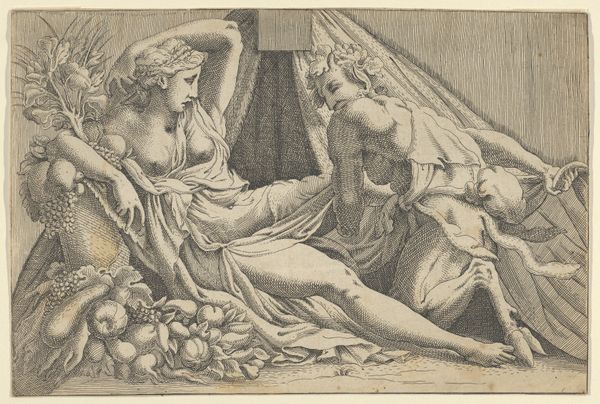
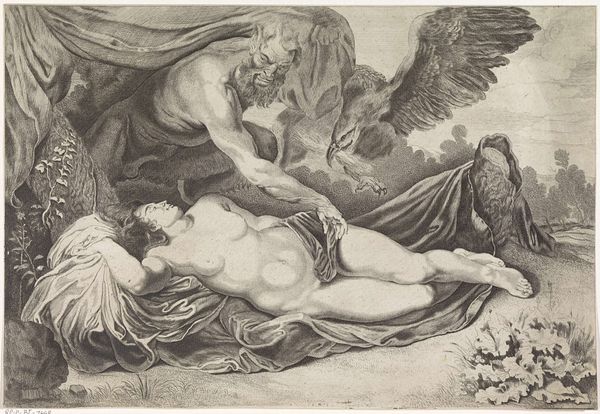
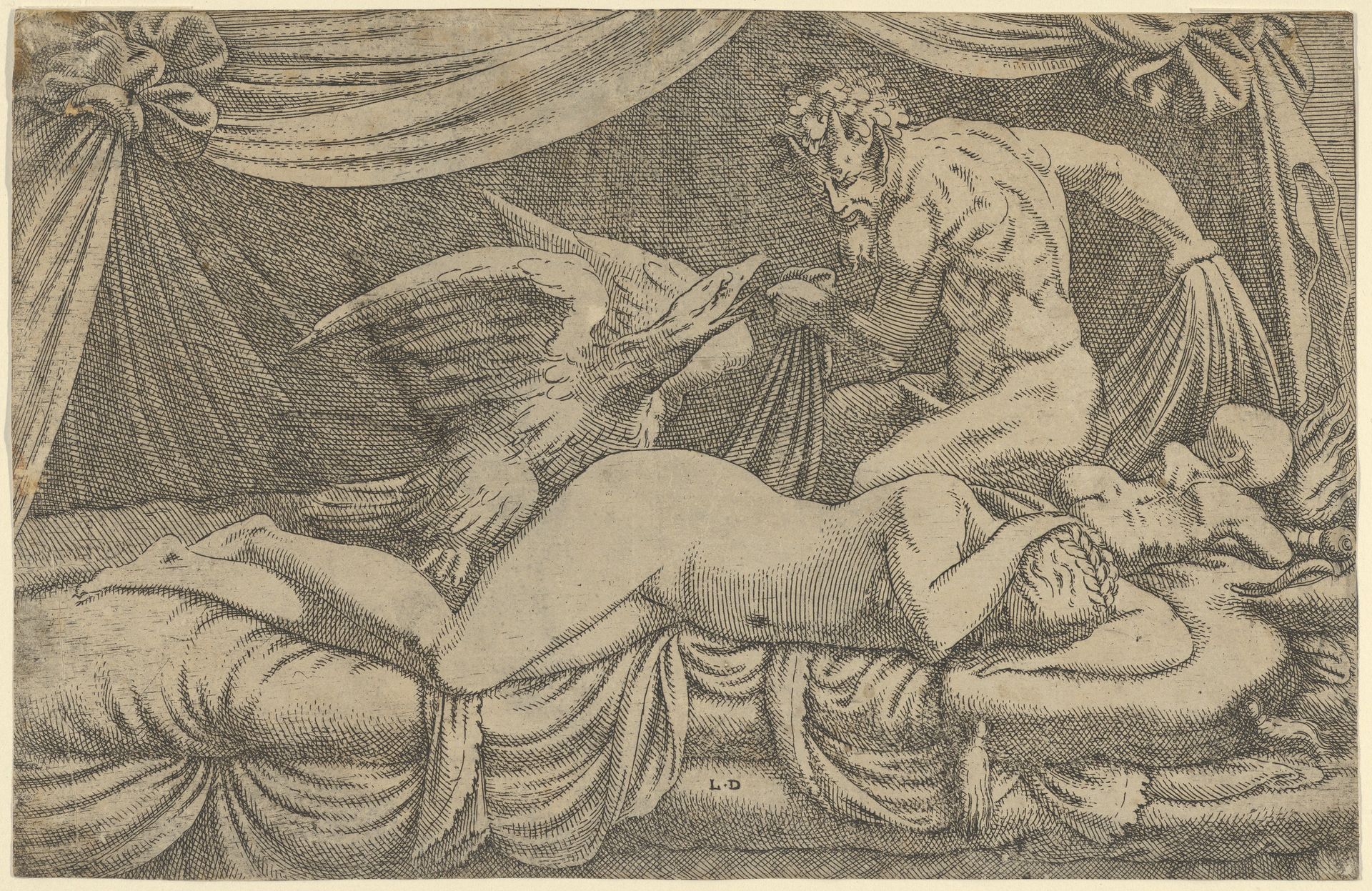
Léon Davent created this print, “Jupiter and Antiope,” sometime between 1540 and 1556. The print depicts a scene drawn from classical mythology where the god Jupiter, disguised as a satyr, approaches the sleeping Antiope. During the Renaissance, mythological subjects were often used to explore themes of power, desire, and human nature. But here we might also consider the vulnerability and agency of Antiope. She is, after all, asleep, and therefore unable to consent. The composition focuses our gaze on her reclining form, inviting us to contemplate the complexities of her situation. How might Antiope experience this encounter, and how can the image speak to contemporary discussions around consent and bodily autonomy? Ultimately, Davent’s print serves as a reminder of how art can both perpetuate and challenge prevailing social norms, inviting us to critically engage with the stories we tell and the values they reflect.
Jupiter and Antiope
1535 - 1550


Artwork details
- Medium
- drawing, print, etching, engraving
- Dimensions
- Sheet: 6 9/16 × 10 1/8 in. (16.6 × 25.7 cm)
- Location
- Metropolitan Museum of Art, New York, NY
- Copyright
- Public Domain
Tags
Comments
Share your thoughts
About this artwork
Léon Davent created this print, “Jupiter and Antiope,” sometime between 1540 and 1556. The print depicts a scene drawn from classical mythology where the god Jupiter, disguised as a satyr, approaches the sleeping Antiope. During the Renaissance, mythological subjects were often used to explore themes of power, desire, and human nature. But here we might also consider the vulnerability and agency of Antiope. She is, after all, asleep, and therefore unable to consent. The composition focuses our gaze on her reclining form, inviting us to contemplate the complexities of her situation. How might Antiope experience this encounter, and how can the image speak to contemporary discussions around consent and bodily autonomy? Ultimately, Davent’s print serves as a reminder of how art can both perpetuate and challenge prevailing social norms, inviting us to critically engage with the stories we tell and the values they reflect.
Comments
Share your thoughts