after 1632
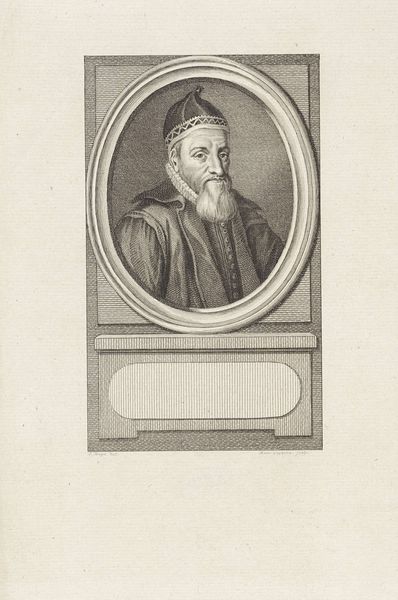
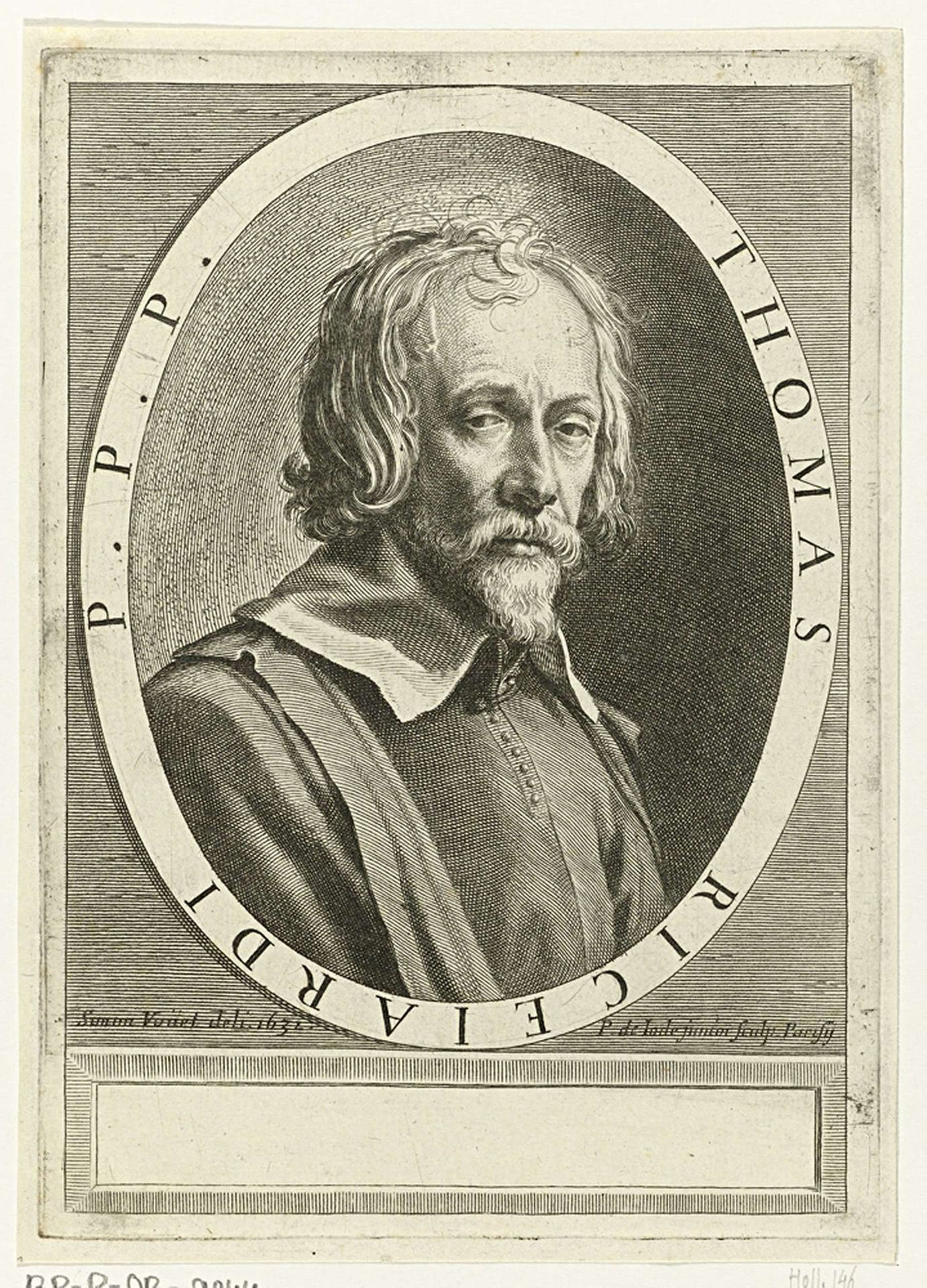
Portret van Thomas Riccardi

Pieter de (II) Jode
1606 - 1674Location
RijksmuseumListen to curator's interpretation
Curatorial notes
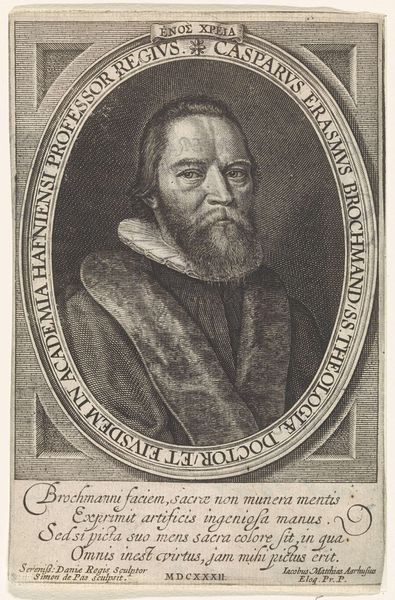
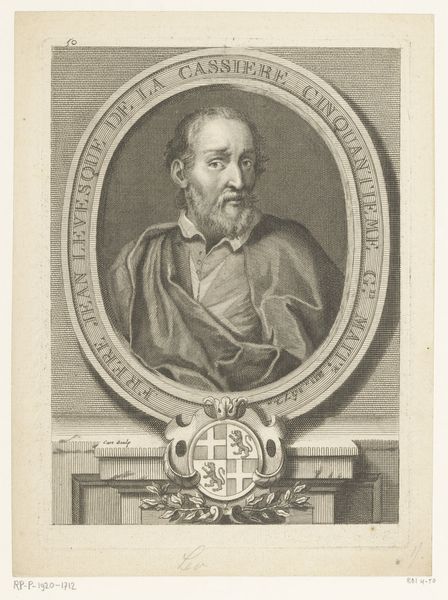
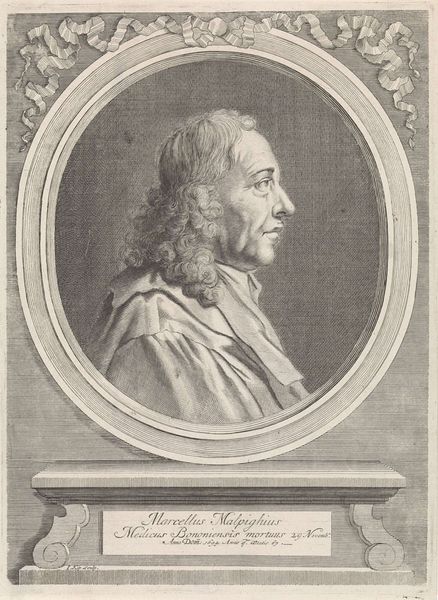
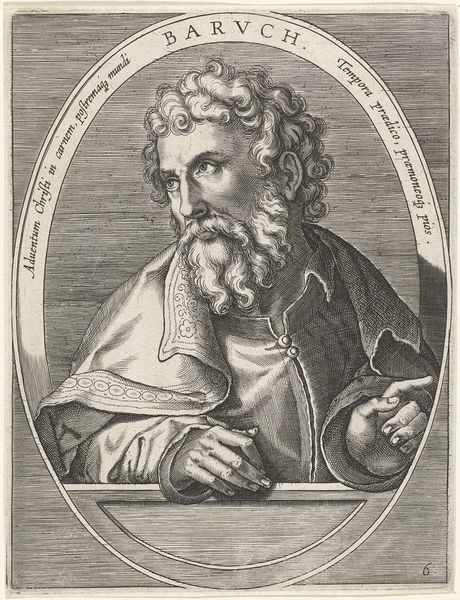
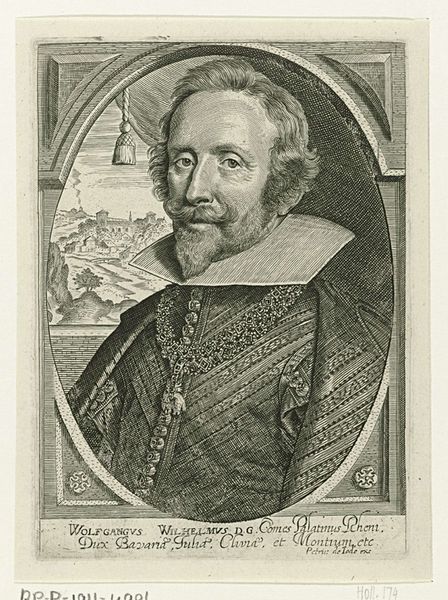
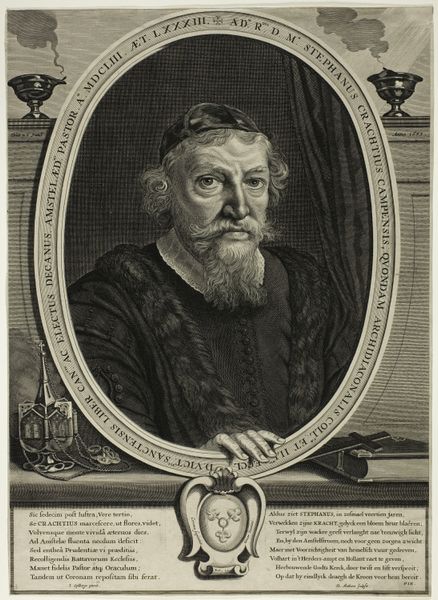
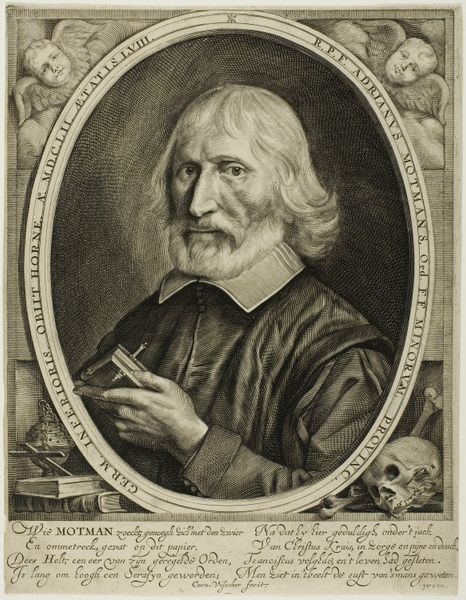
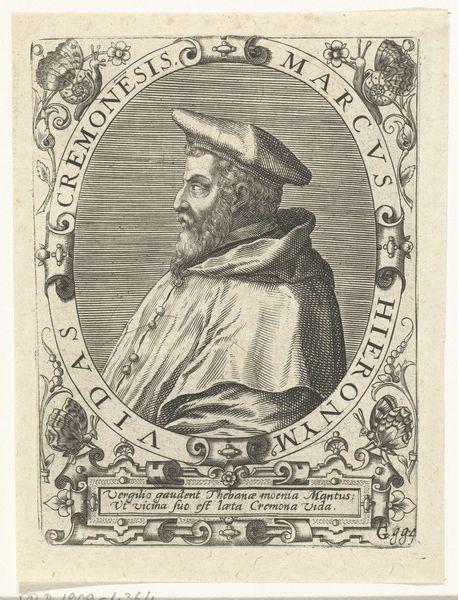
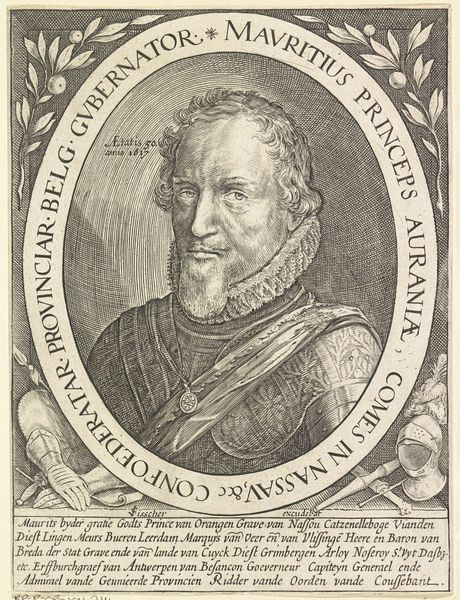
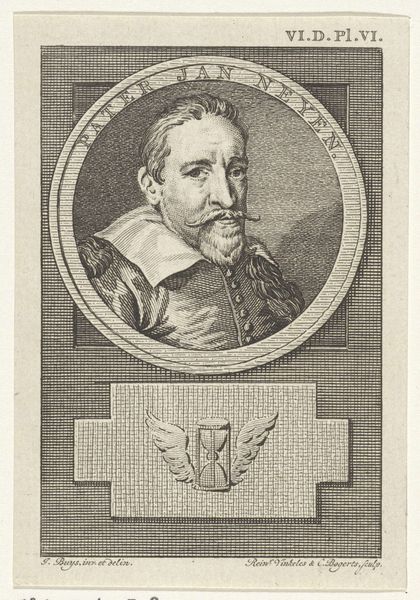
This is Pieter de Jode the Younger’s "Portrait of Thomas Riccardi," an engraving. Think about the processes involved here. The artist would have used a sharp tool called a burin to carve lines into a metal plate, which was then inked and pressed onto paper. Now, etching and engraving like this was a very social business. This wasn't like painting in a solitary studio. It was tied to the world of printmaking, commerce, and the dissemination of images. Printmaking enabled the circulation of portraits, ideas, and even propaganda, influencing public opinion and cultural trends. Consider, too, the skill and labor that went into creating this image. The fine lines and details required a high level of craftsmanship. And the choice of engraving as a medium speaks to the importance of reproducibility and accessibility in the 17th century. By focusing on the materials, the making, and the historical context, we can understand that this work blurs the lines between fine art and craft.