1832
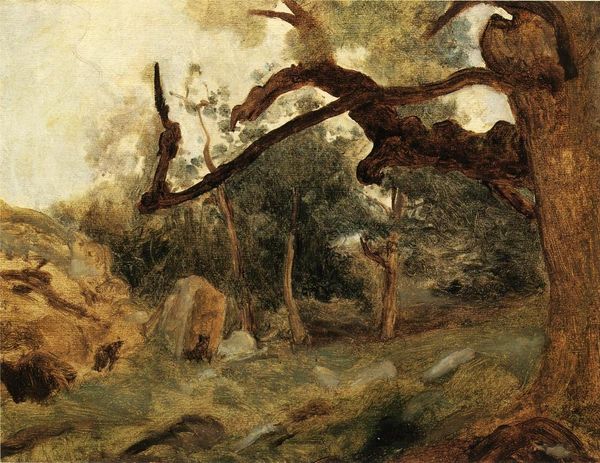
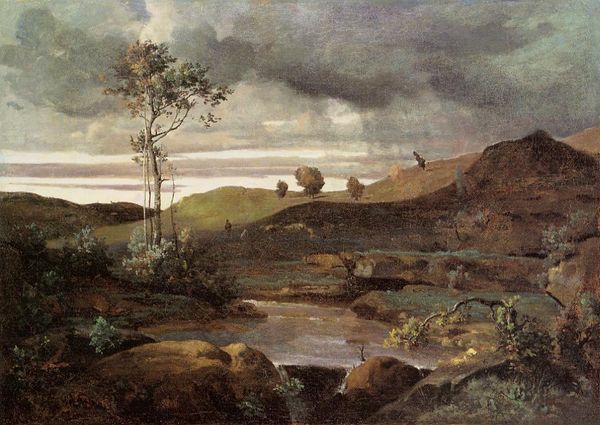
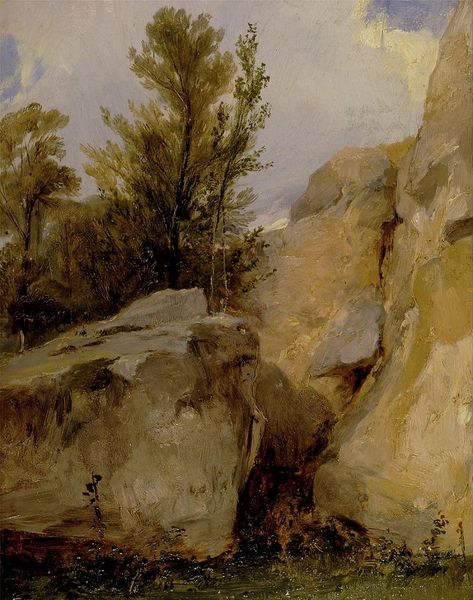
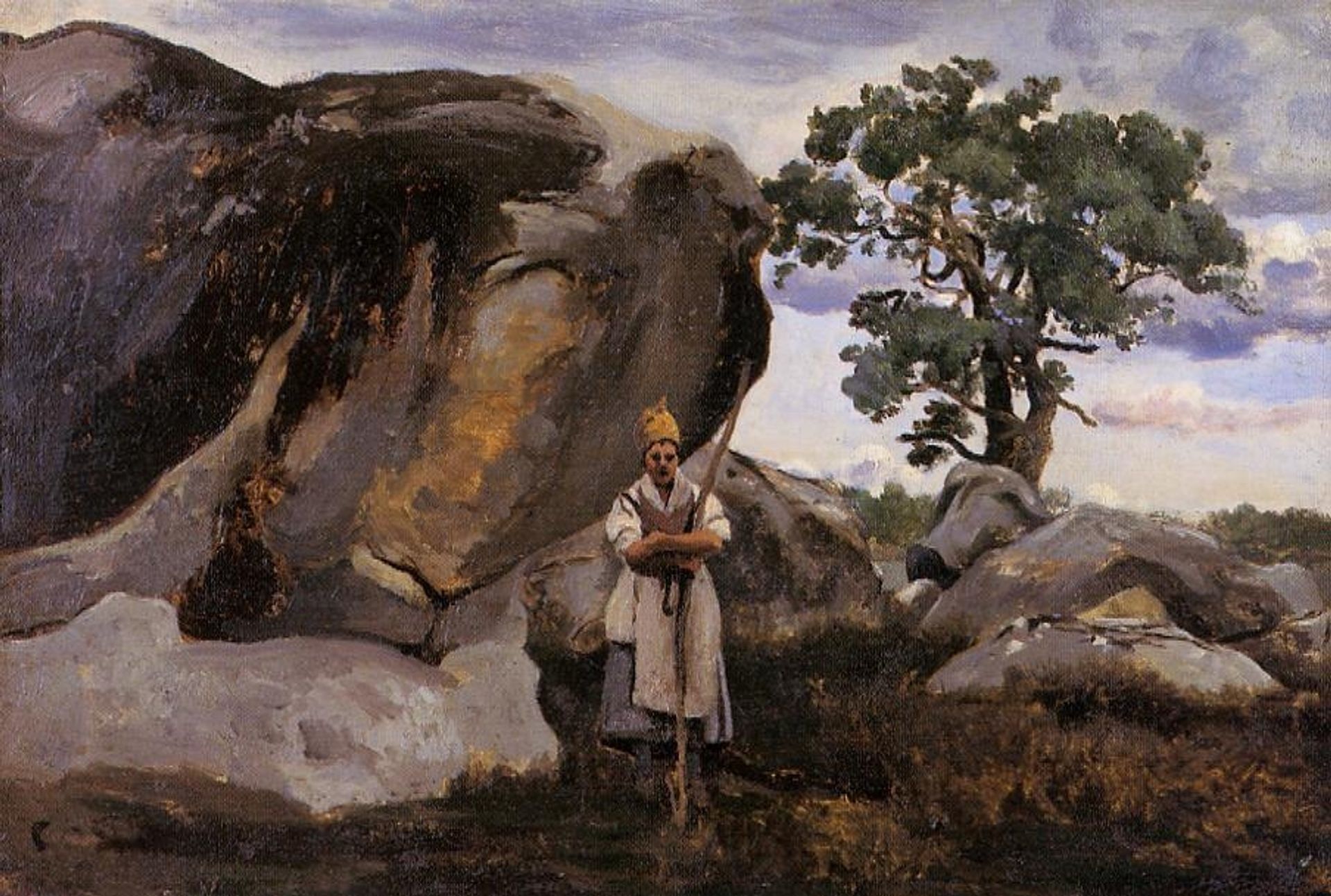
The Forest of Fontainebleau

Camille Corot
1796 - 1875Location
Musée d'Art et d'Archéologie de Senlis, Senlis, FranceListen to curator's interpretation
Curatorial notes
Camille Corot made "The Forest of Fontainebleau" with oil on canvas, using traditional painting materials and techniques. Corot captured the rugged beauty of Fontainebleau through his application of paint. Thick brushstrokes define the monumental rocks, while delicate touches render the foliage of the trees. It's fascinating how Corot’s technique mirrors the very landscape he depicts. The weight and texture of the paint evoke the substantial forms of the rocks. The painting’s muted palette suggests a sense of quietude, reflecting the serenity of the forest. Corot's approach elevates landscape painting, traditionally seen as a lesser genre, to the realm of high art. He highlights the value of direct observation and skillful execution. This painting bridges the gap between academic tradition and the emerging Impressionist movement. By appreciating the material qualities and the making process, we can see the true genius of Corot's work, and understand its historical significance.