About this artwork
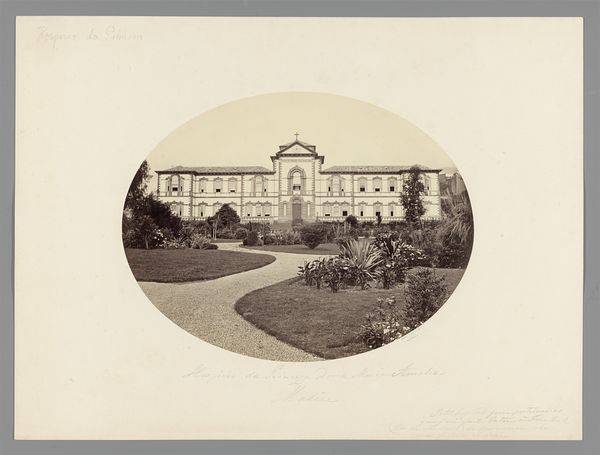
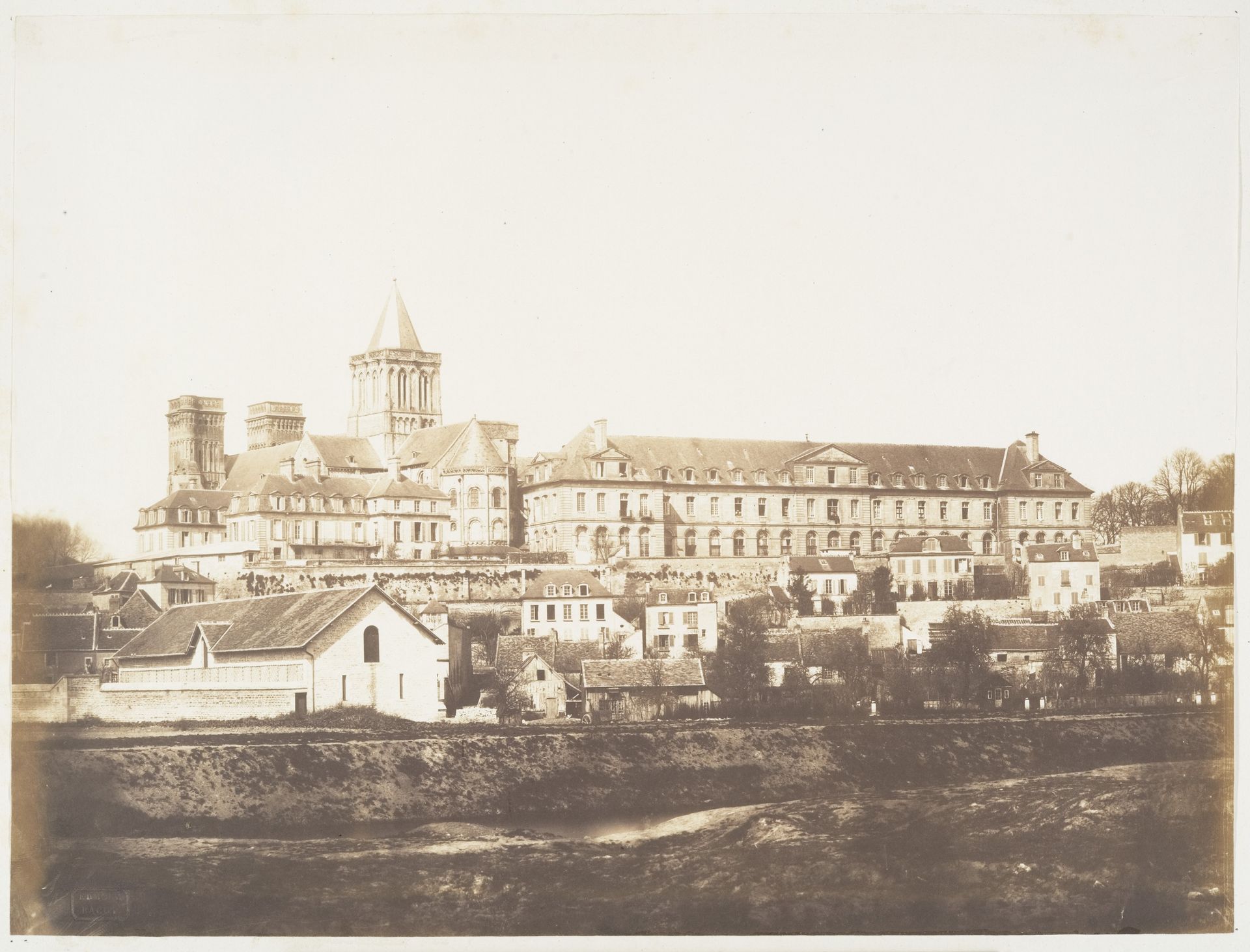
Edmond Bacot captured the Abbaye aux Dames et Hospice in Caen using photography, a relatively new medium in the 19th century. Bacot, living in a society marked by distinct class divisions, uses a direct and clear composition to reflect the social hierarchy of the time. The Abbaye, historically a powerful religious institution, stands elevated, literally and figuratively, over the more modest dwellings below. Originally a convent founded by William the Conqueror’s wife Matilda of Flanders, by the time of Bacot's photograph it had been converted into a hospital. The image thus speaks to the changing roles of women in society, from religious authority to caretakers within a medical institution. This transition invites us to consider the evolving expectations and limitations placed on women’s identities during this era.
Abbaye aux Dames et Hospice, Caen
1852 - 1854


Artwork details
- Medium
- photography, gelatin-silver-print, architecture
- Dimensions
- 25.8 x 34.4 cm (10 3/16 x 13 9/16 in. )
- Location
- Metropolitan Museum of Art, New York, NY
- Copyright
- Public Domain
Tags
16_19th-century
landscape
outdoor photograph
archive photography
outdoor photography
photography
historical photography
gelatin-silver-print
cityscape
architecture
Comments
Be the first to share your thoughts about this work.
About this artwork
Edmond Bacot captured the Abbaye aux Dames et Hospice in Caen using photography, a relatively new medium in the 19th century. Bacot, living in a society marked by distinct class divisions, uses a direct and clear composition to reflect the social hierarchy of the time. The Abbaye, historically a powerful religious institution, stands elevated, literally and figuratively, over the more modest dwellings below. Originally a convent founded by William the Conqueror’s wife Matilda of Flanders, by the time of Bacot's photograph it had been converted into a hospital. The image thus speaks to the changing roles of women in society, from religious authority to caretakers within a medical institution. This transition invites us to consider the evolving expectations and limitations placed on women’s identities during this era.
Comments
Be the first to share your thoughts about this work.