1849 - 1895
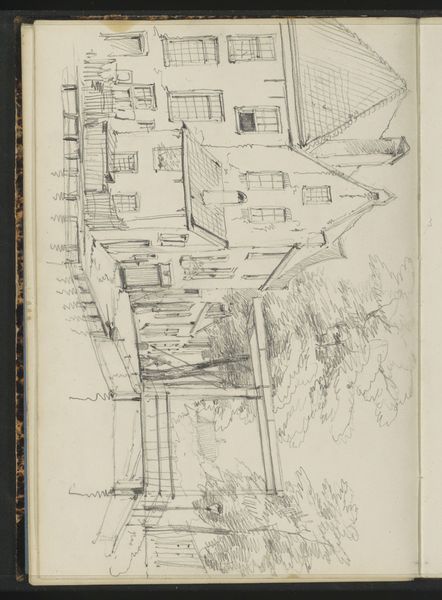
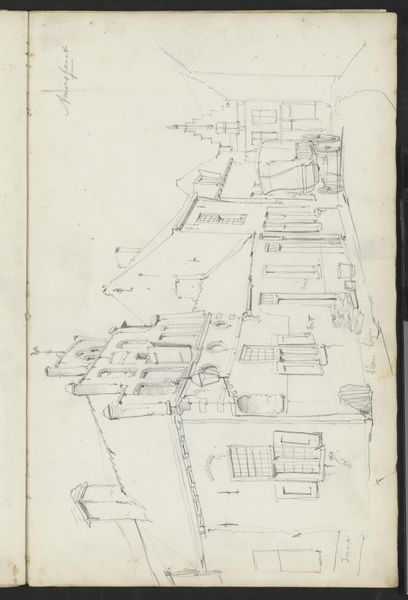
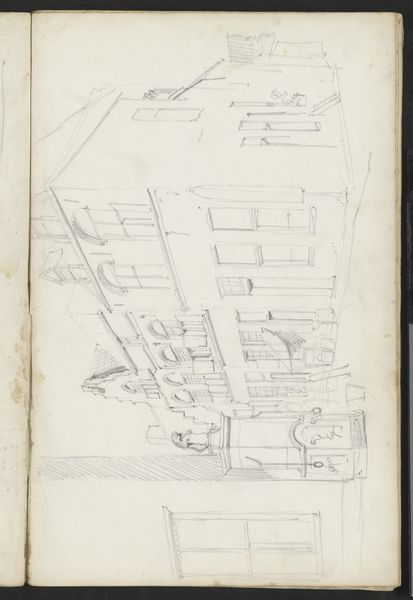
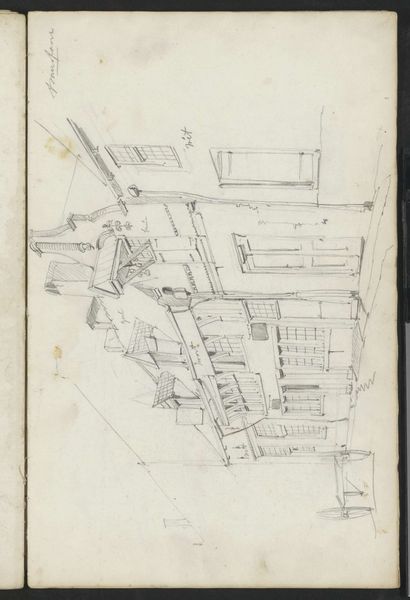
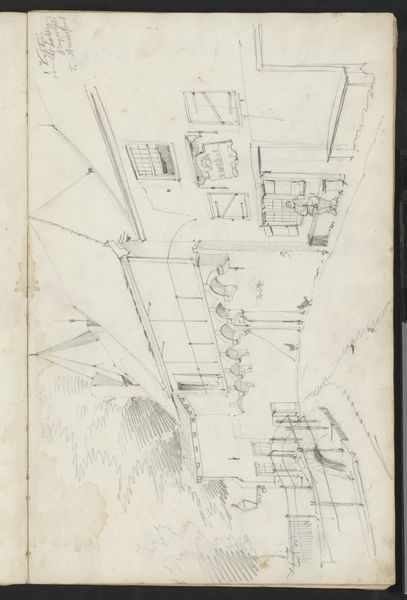
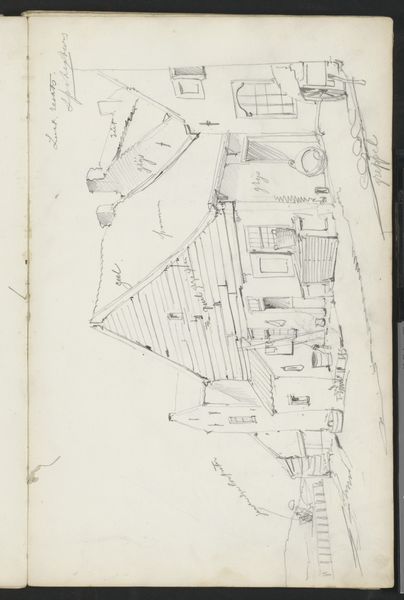
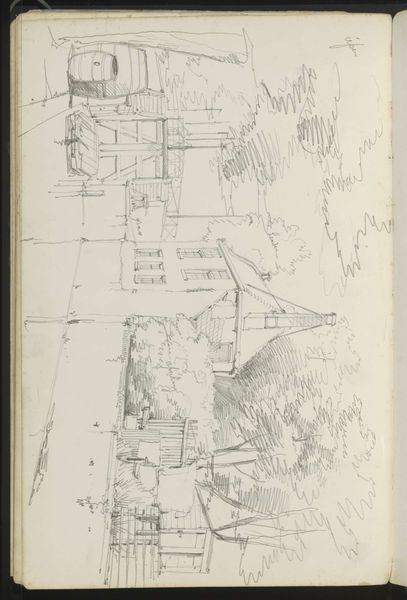
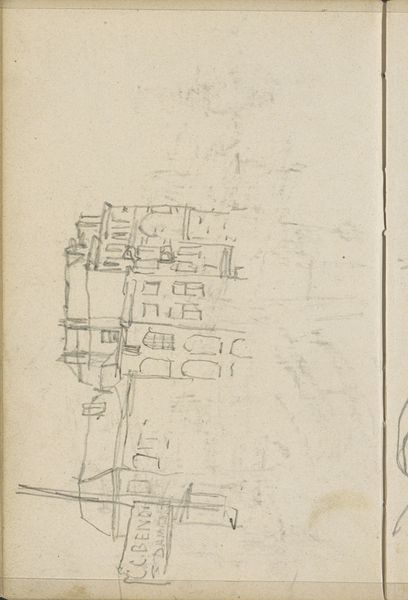
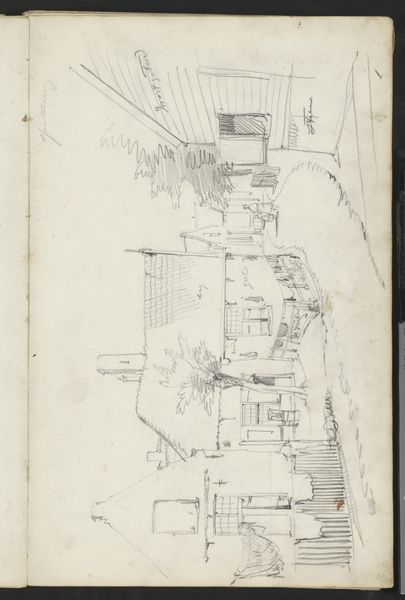
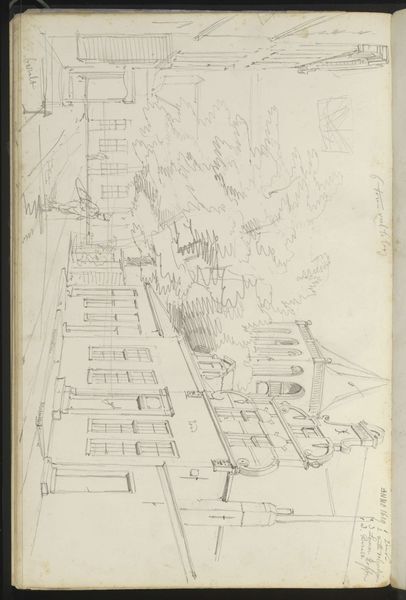
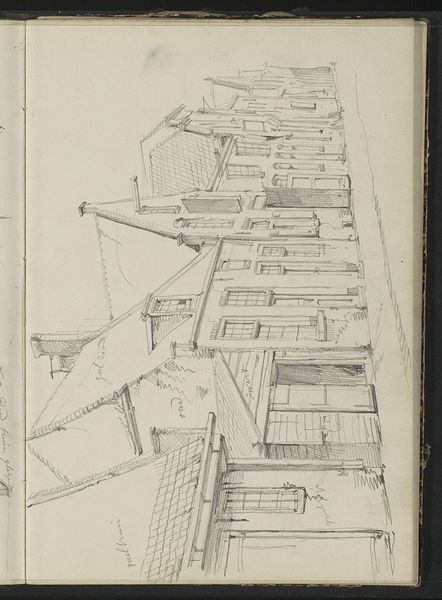
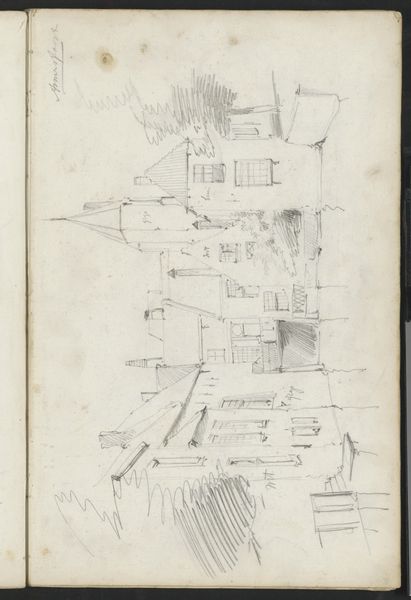
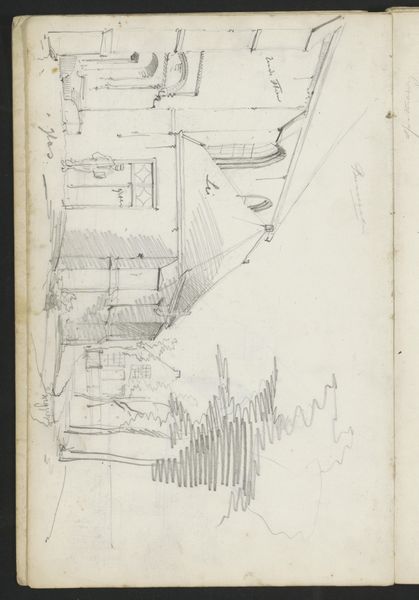
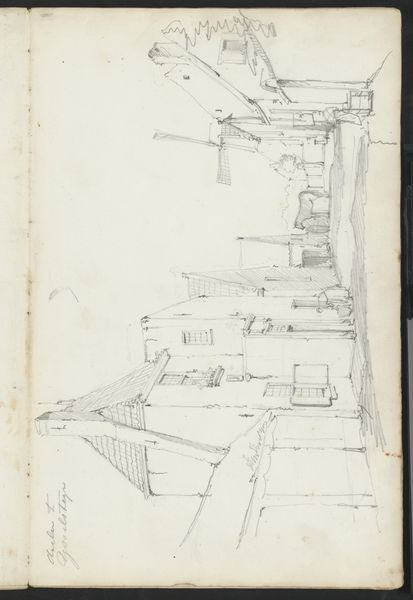
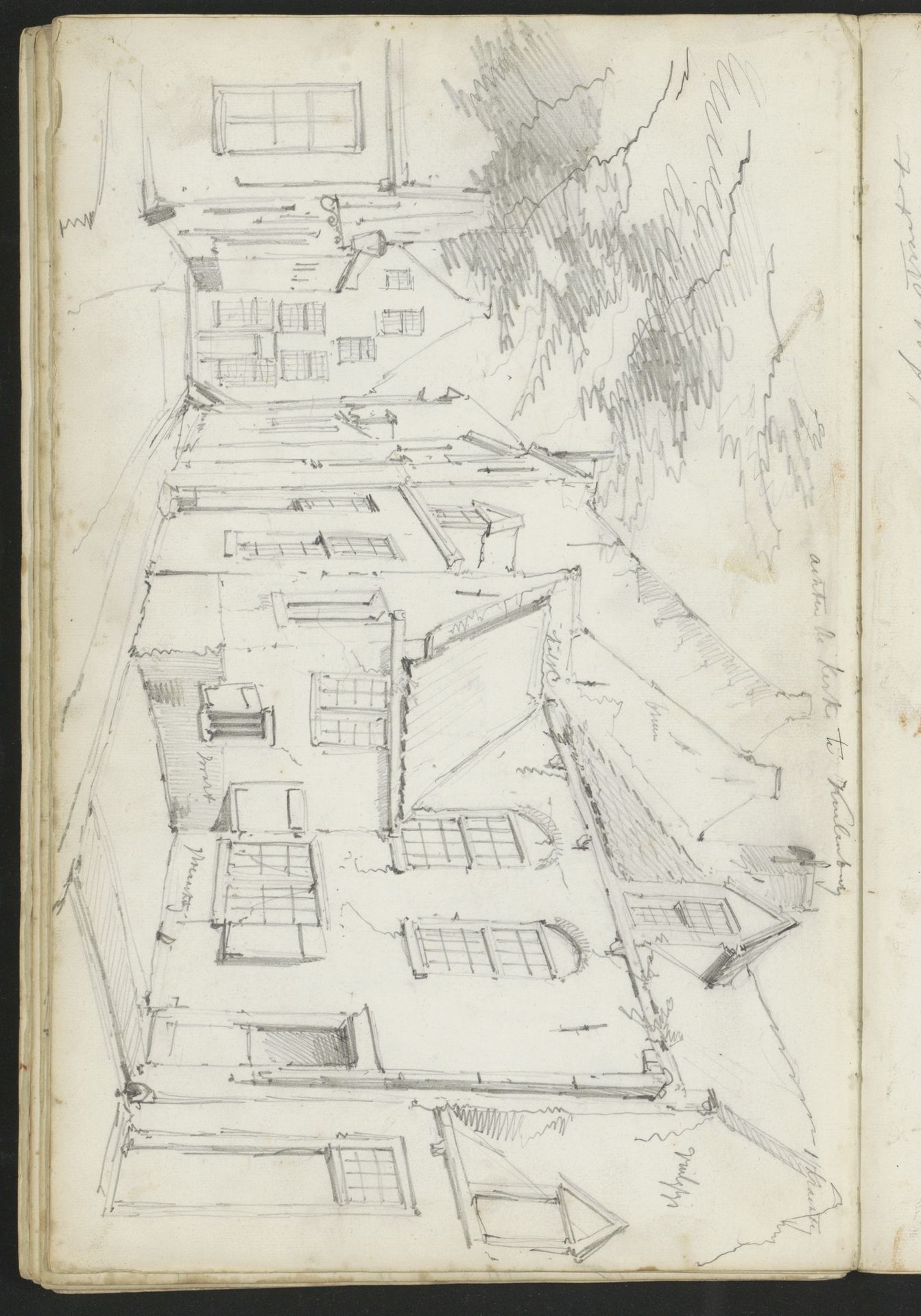
Straat achter de kerk te Culemborg

Willem Koekkoek
1839 - 1895Location
RijksmuseumListen to curator's interpretation
Curatorial notes
This pencil drawing captures a street behind the church in Culemborg by Willem Koekkoek. The windows, rendered with careful detail, are more than mere architectural features; they are symbolic apertures offering glimpses into private lives and the collective soul of the town. The arrangement of windows, each a portal to inner spaces, reminds me of similar motifs found in Renaissance paintings where windows often symbolize enlightenment or divine revelation. Consider, for instance, the way light streams through windows in Annunciation scenes, signifying spiritual awakening. Yet, here, the multitude of windows suggests a different kind of revelation – a mundane, everyday reality, far from the divine. This symbol of the window has undergone countless transformations throughout art history, reflecting evolving cultural attitudes. In Koekkoek's drawing, the windows create a feeling of both intimacy and distance. The drawing reflects our understanding of the modern condition, where inner experience becomes a window into the broader world. It reflects the continuous, cyclical progression of symbols, evolving to mirror the changing landscapes of human consciousness.