About this artwork
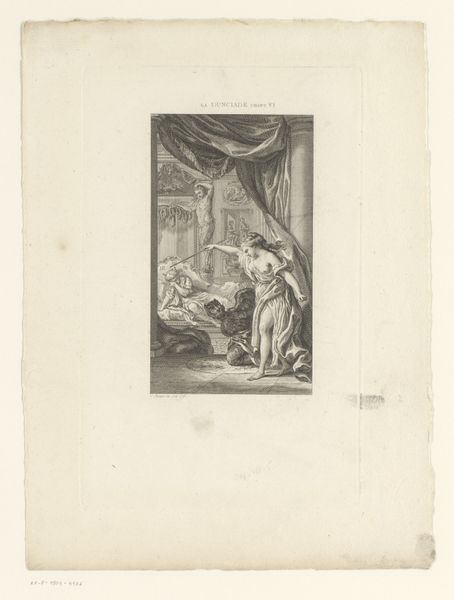
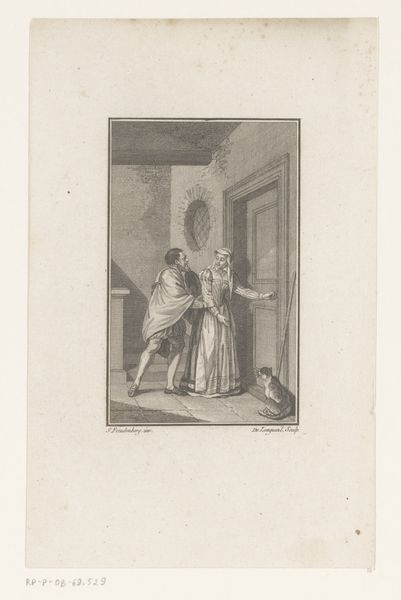
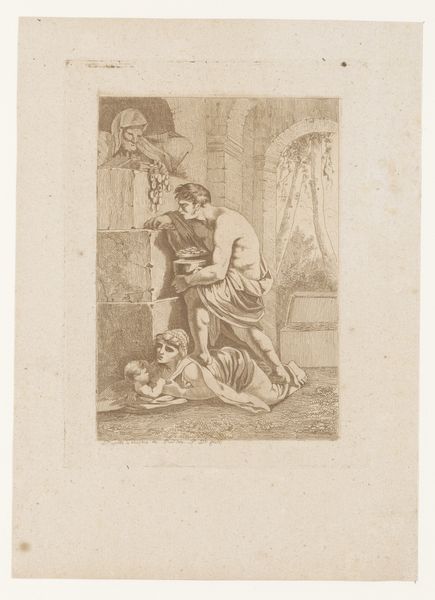
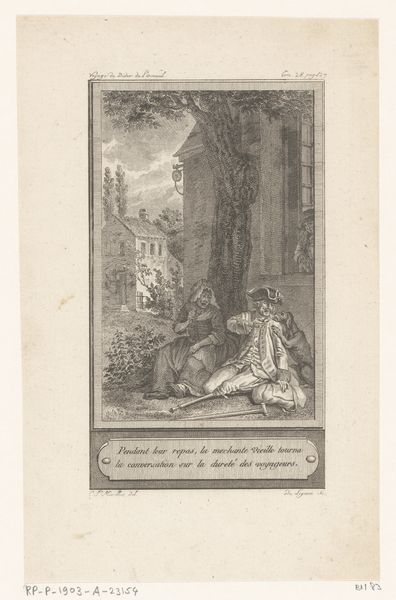
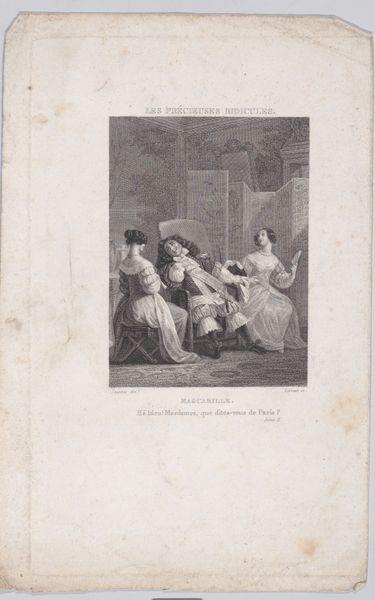
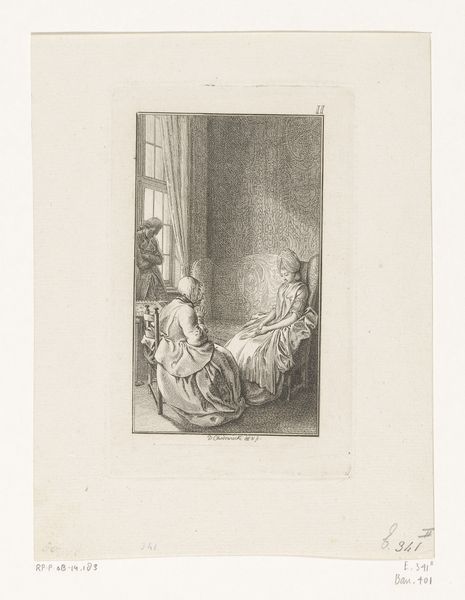
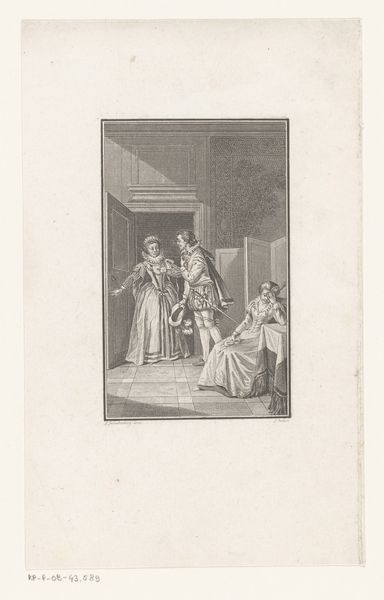
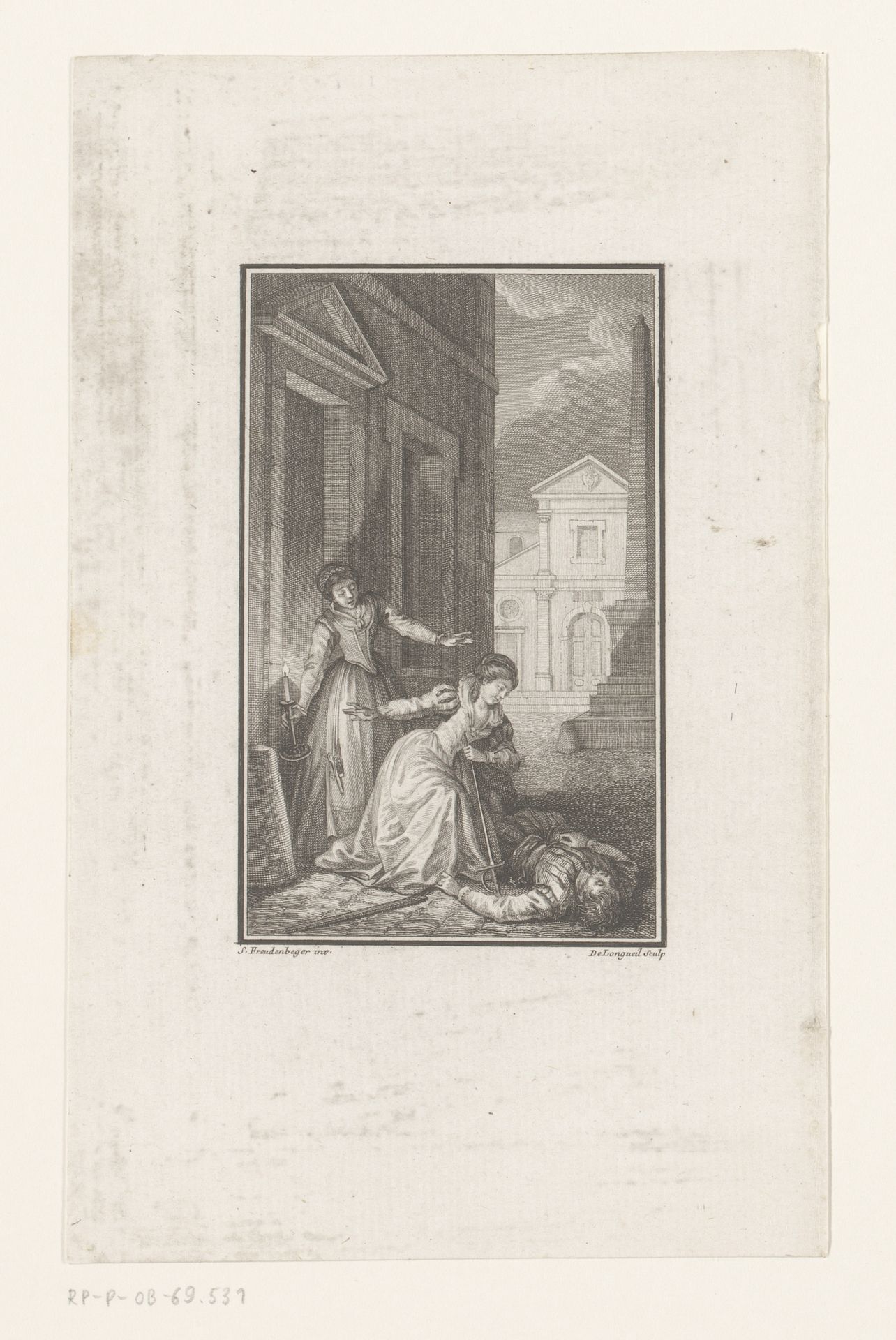
This print, made by Joseph de Longueil around the 1700s, uses the technique of etching. This process involves coating a metal plate with a waxy, acid-resistant substance, and then scratching an image into it with a needle. The plate is then immersed in acid, which bites into the exposed metal, creating lines that hold ink. The visual qualities of etching allow for fine details and tonal variations, crucial for conveying the drama of the scene. The linear quality of the print emphasizes form and shadow, contributing to the sense of depth and tension. The artist is using a mode of production that allows for multiples, disseminating the image widely and cheaply. Understanding the printmaking process sheds light on the image's social context. Prints were a popular medium for spreading ideas and stories. By considering the materials, the making process, and the broader cultural landscape, we can better appreciate the full meaning of this dramatic artwork, and challenge traditional distinctions between fine art and craft.

Artwork details
- Dimensions
- height 184 mm, width 117 mm
- Copyright
- Rijks Museum: Open Domain
Comments
No comments
About this artwork
This print, made by Joseph de Longueil around the 1700s, uses the technique of etching. This process involves coating a metal plate with a waxy, acid-resistant substance, and then scratching an image into it with a needle. The plate is then immersed in acid, which bites into the exposed metal, creating lines that hold ink. The visual qualities of etching allow for fine details and tonal variations, crucial for conveying the drama of the scene. The linear quality of the print emphasizes form and shadow, contributing to the sense of depth and tension. The artist is using a mode of production that allows for multiples, disseminating the image widely and cheaply. Understanding the printmaking process sheds light on the image's social context. Prints were a popular medium for spreading ideas and stories. By considering the materials, the making process, and the broader cultural landscape, we can better appreciate the full meaning of this dramatic artwork, and challenge traditional distinctions between fine art and craft.
Comments
No comments