1576 - 1596
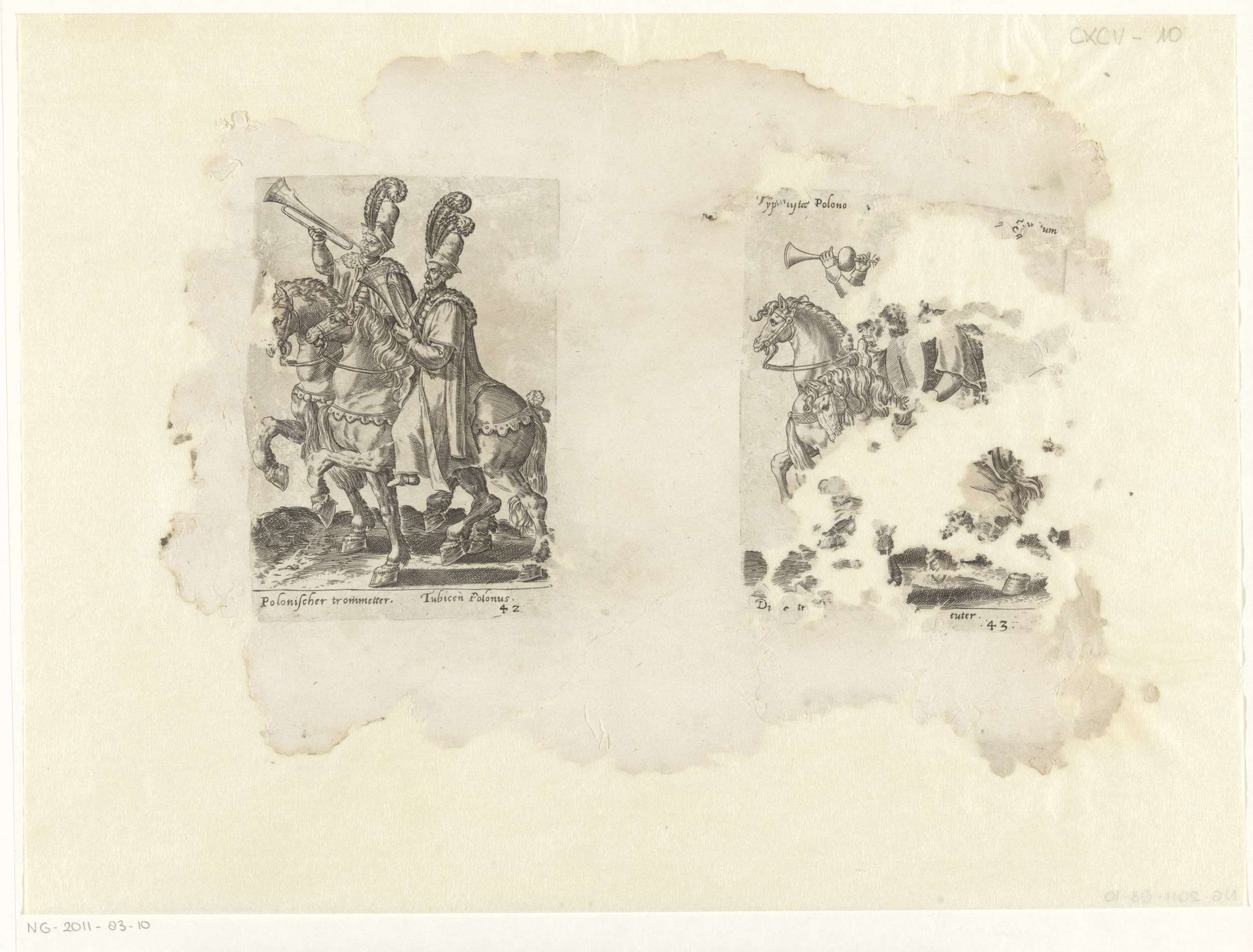
Poolse herauten en muzikanten

Abraham de Bruyn
1540 - 1587Location
RijksmuseumListen to curator's interpretation
Curatorial notes
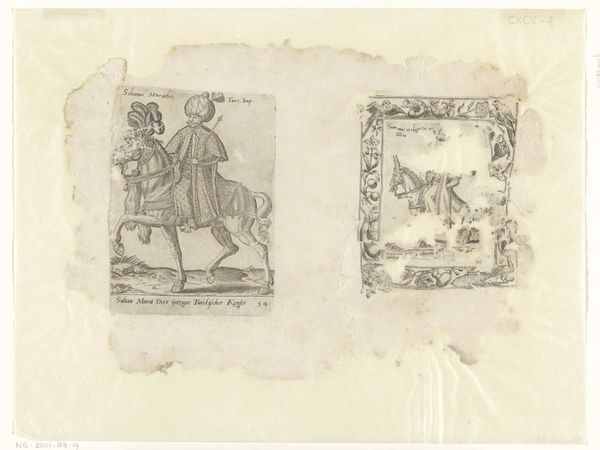
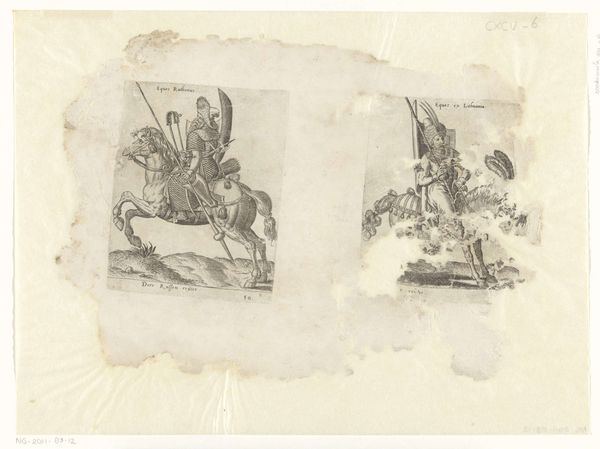
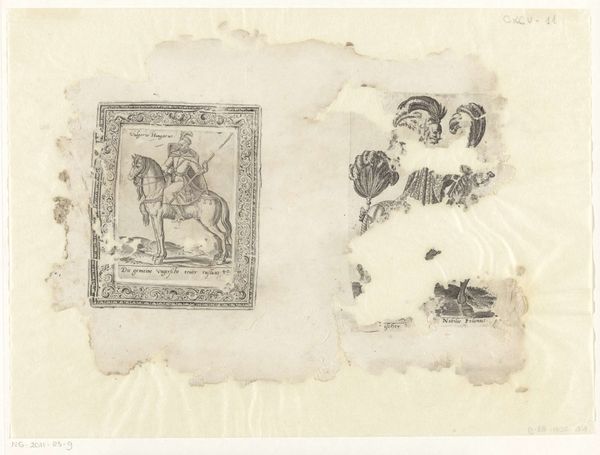
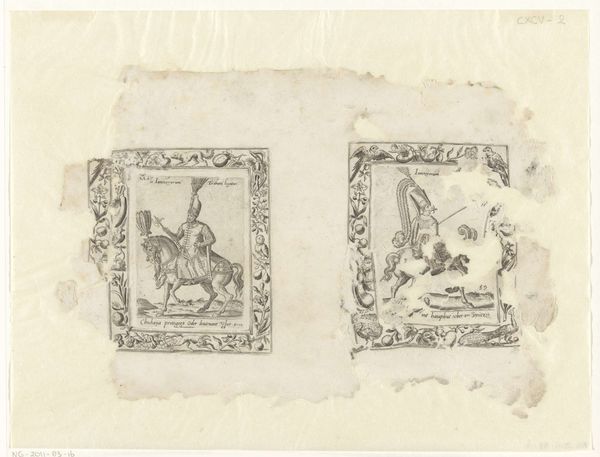
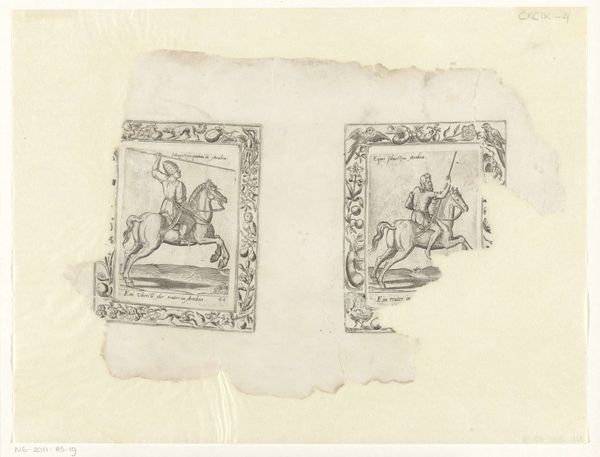
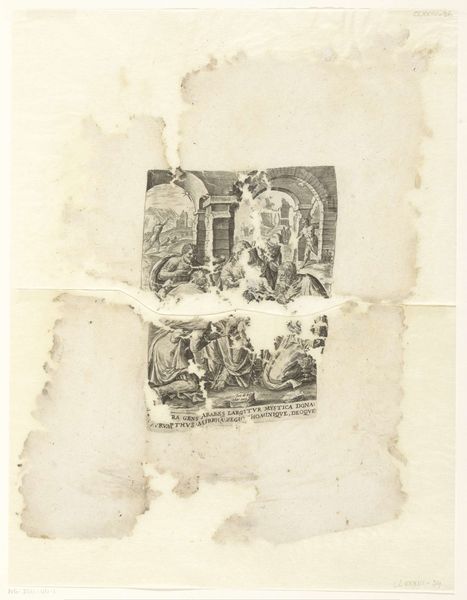
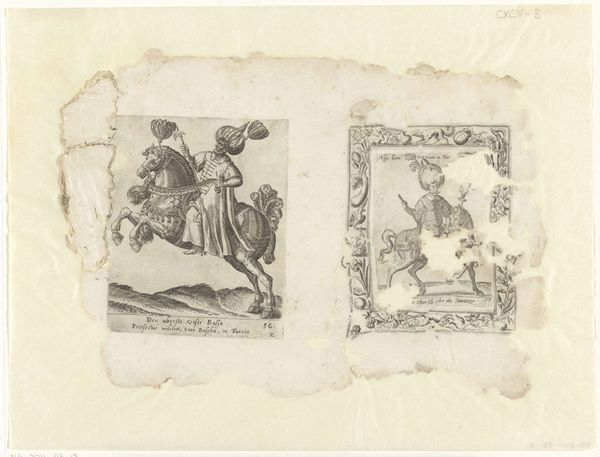
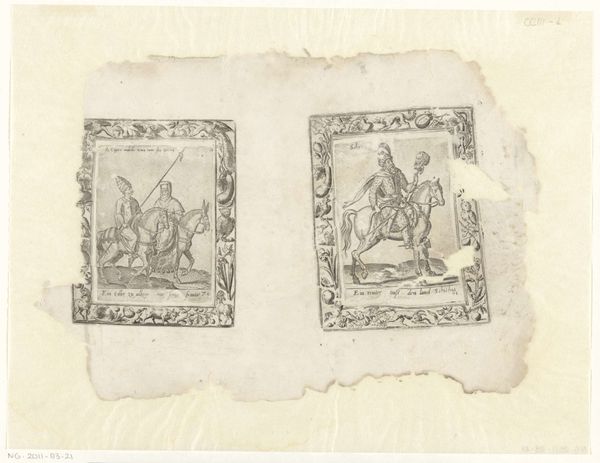
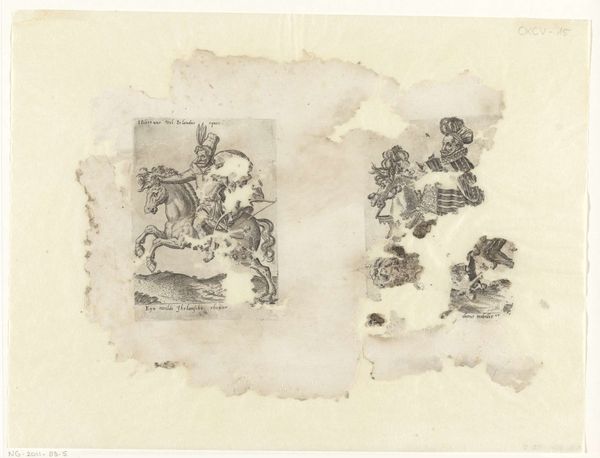
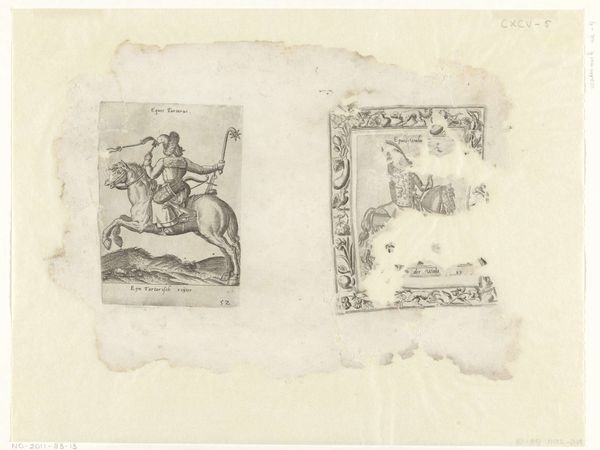
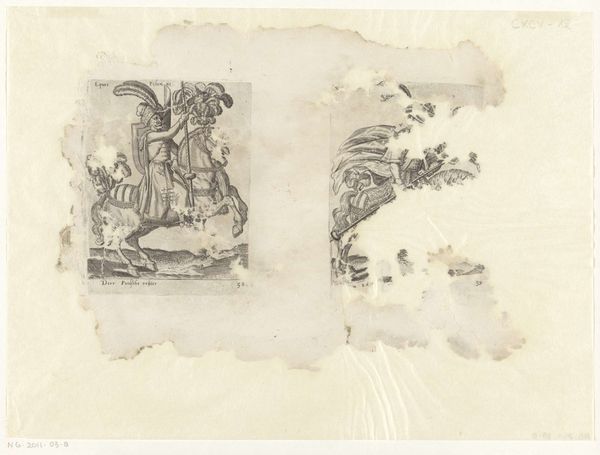
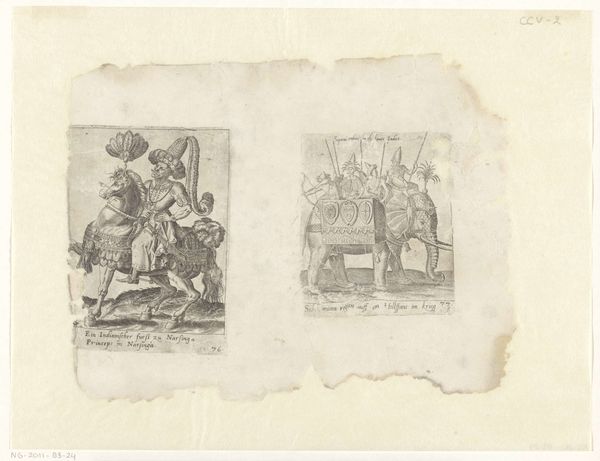
Abraham de Bruyn created this print depicting Polish heralds and musicians in the late 16th century. Observe the trumpets held high, symbols of proclamation and authority. These aren’t merely instruments; they are conduits of power, announcing decrees and signaling gatherings. The trumpet call echoes through time. We find its ancestor in ancient Roman art, where trumpeters heralded the arrival of emperors. Think of the medieval town criers, whose trumpets announced royal visits. The visual representation of sound as a symbol of power reappears time and again. Consider how these motifs evolve. In ancient times, the trumpet was a sacred object, linked to religious rituals. Over centuries, it transforms into a symbol of secular authority, used in military and civic contexts. Yet, the emotional resonance remains – the trumpet's sound stirs something deep within us, evoking feelings of anticipation and the weight of history. The herald’s stance, the raised trumpet, engage us on a subconscious level, connecting us to a tradition that stretches back millennia, reminding us of how symbols persist, adapt, and continue to shape our cultural landscape.