
Curatorial notes
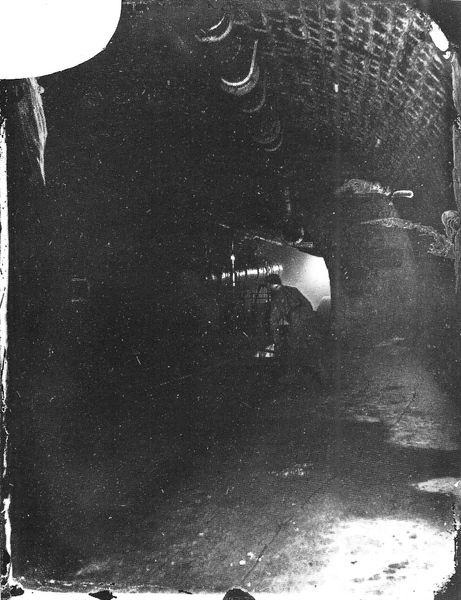
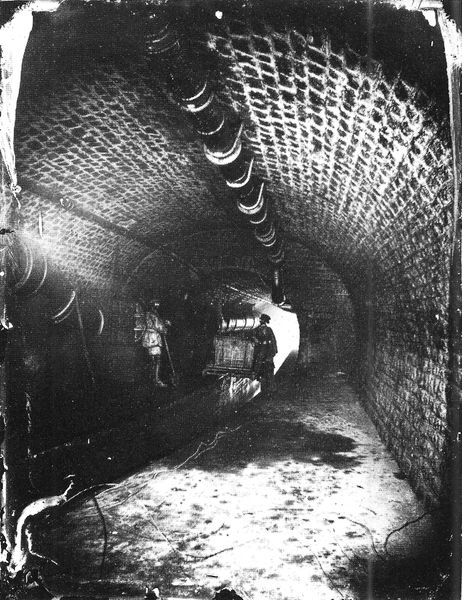
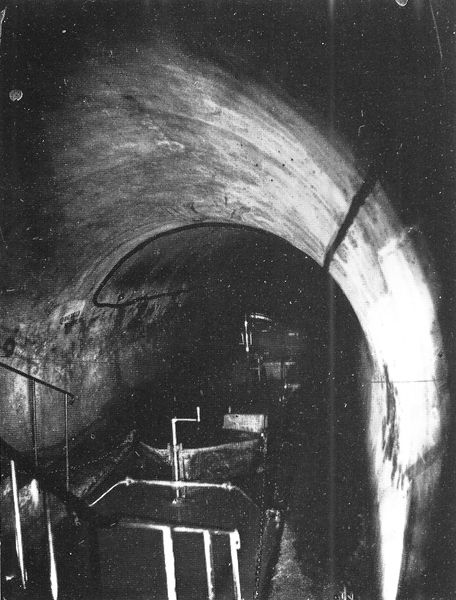
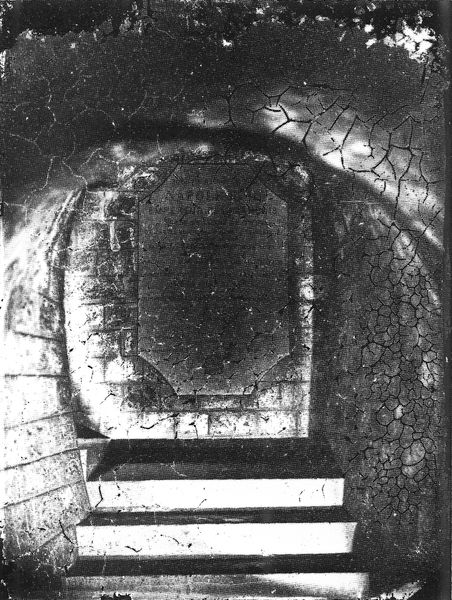
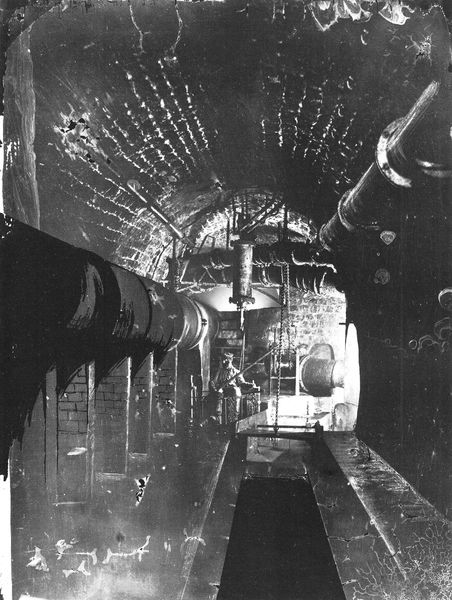
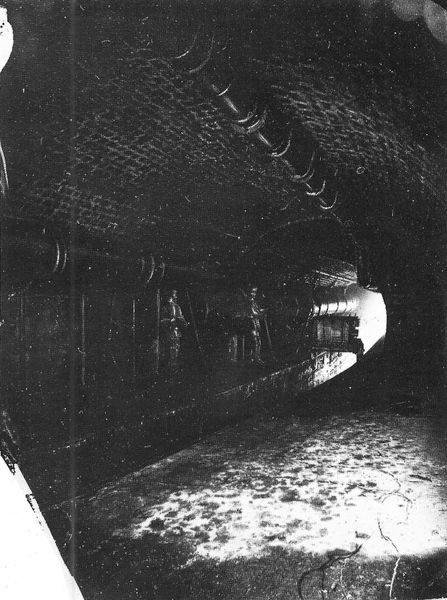
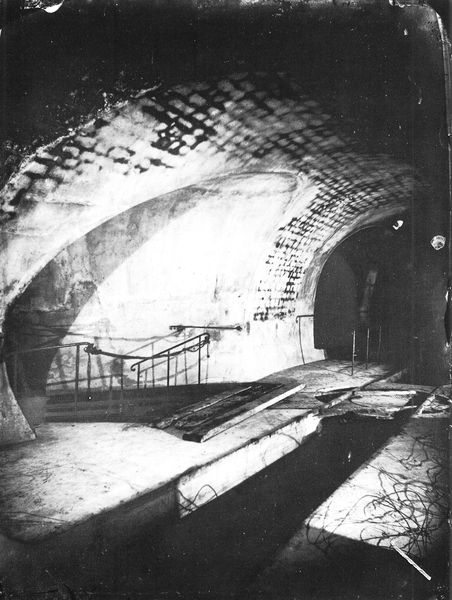
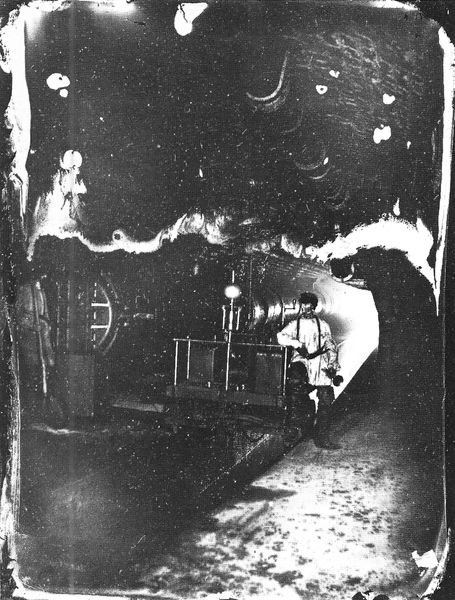
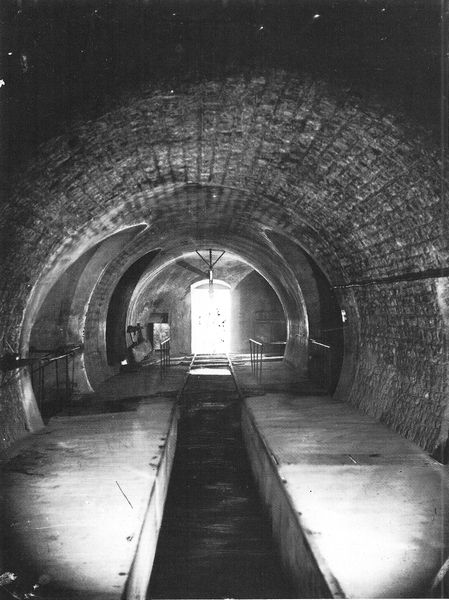
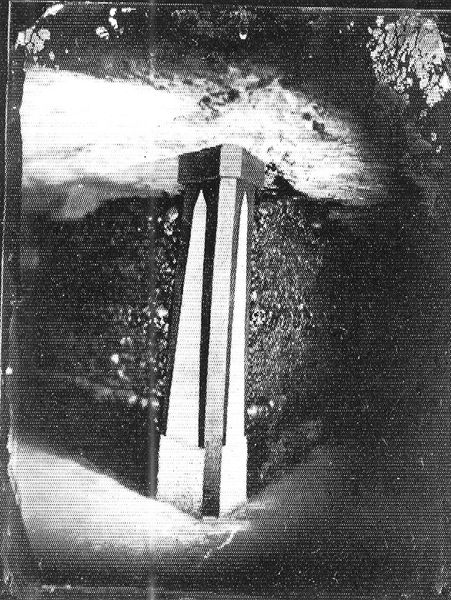
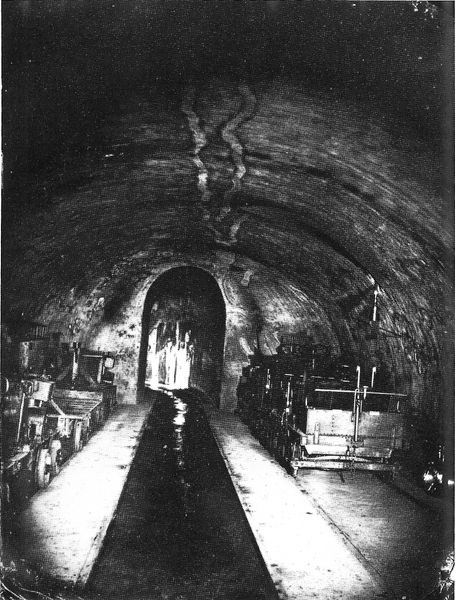
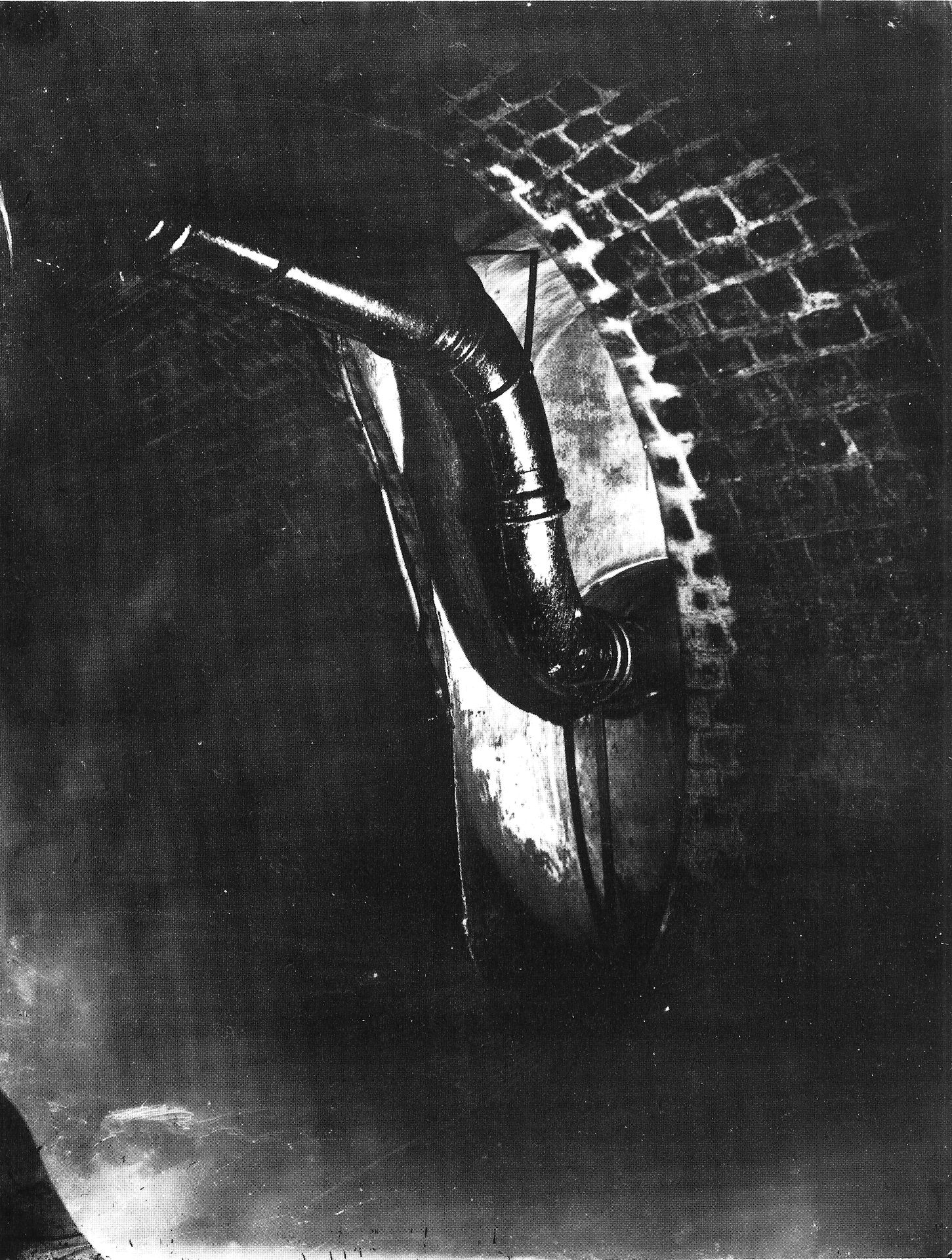
Editor: Here we have Felix Nadar’s "Égouts de Paris" from 1861, a black and white photograph. It’s…surprisingly beautiful? I mean, it’s a sewer! The way the light catches the curve of the brickwork and the metal pipe gives it a strangely dignified air. What do you see in this piece? Curator: It’s precisely that tension – the unexpected beauty arising from a place of waste – that captivates. Beyond the literal, what symbols resonate here? Consider, for example, the "shadow self" from Jungian psychology. Editor: The shadow self? That’s interesting…so you're saying the sewer, this hidden underworld, represents aspects of ourselves we repress or ignore? Curator: Indeed. It's about societal repression too. This was taken during a massive modernization of Paris. What was being concealed to create the "City of Lights?" Where did everything go? Editor: Right, out of sight, out of mind. So, this photo isn’t just about documentation; it’s a commentary? A kind of…visual social critique? Curator: Potentially. Nadar was known for pushing boundaries, both artistically and socially. What does the medium – photography – contribute? Before this, could we even visualize such spaces? Think about the symbolic weight of making the unseen visible. Editor: It’s fascinating to consider it in that context. I initially just saw an interesting composition, but now I’m thinking about societal hypocrisy and the hidden costs of progress. Curator: And how photography, a new medium at the time, literally shed light on these issues, making the invisible visible. A powerful combination. Editor: Definitely gives me a lot to think about. It's made me realize how important it is to look beyond the surface and to try and understand the symbolic language within an artwork.