1850 - 1900
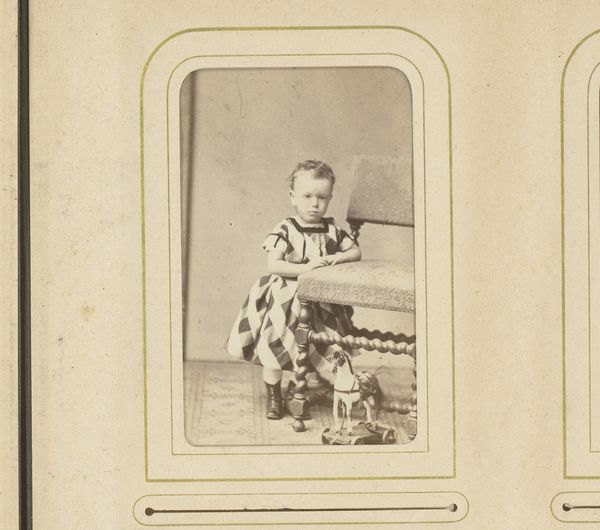
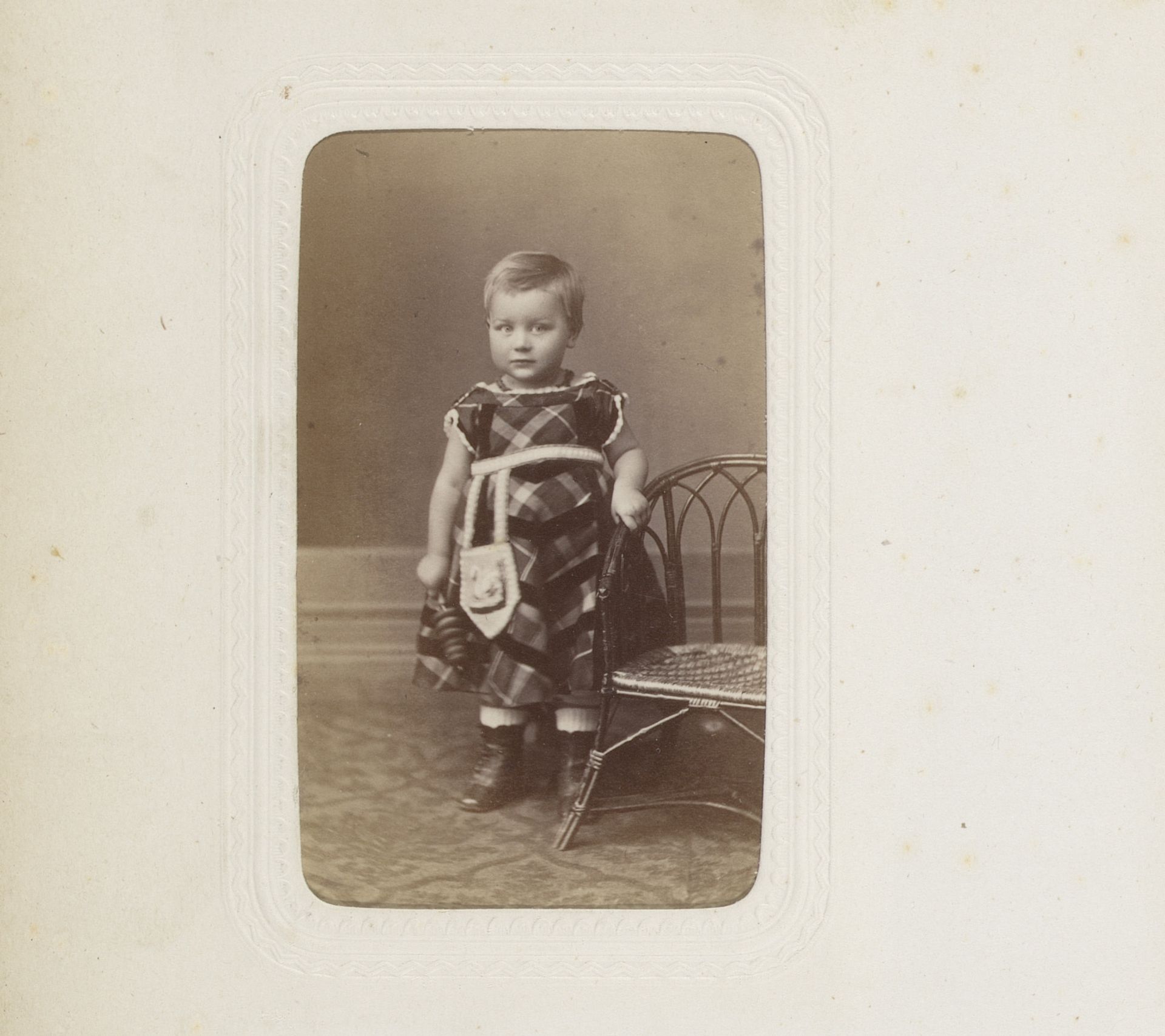
Portret van een meisje bij een stoel

Listen to curator's interpretation
Curatorial notes
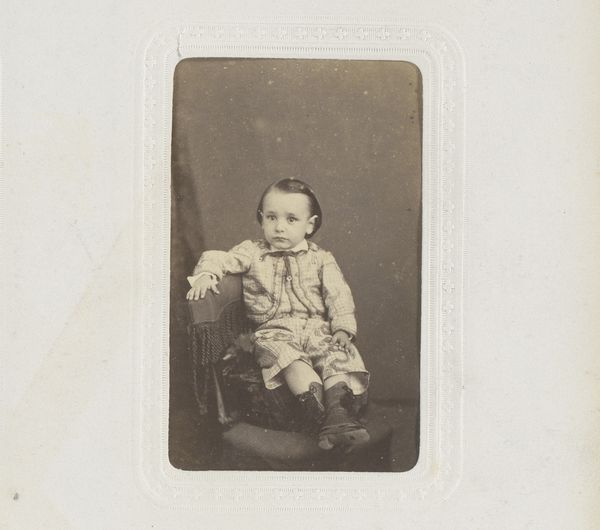
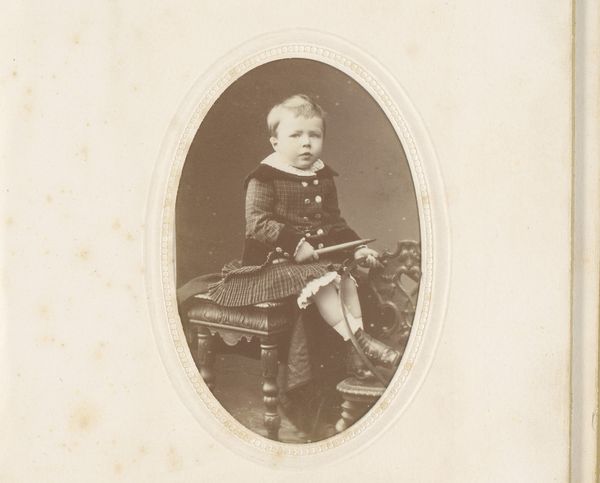
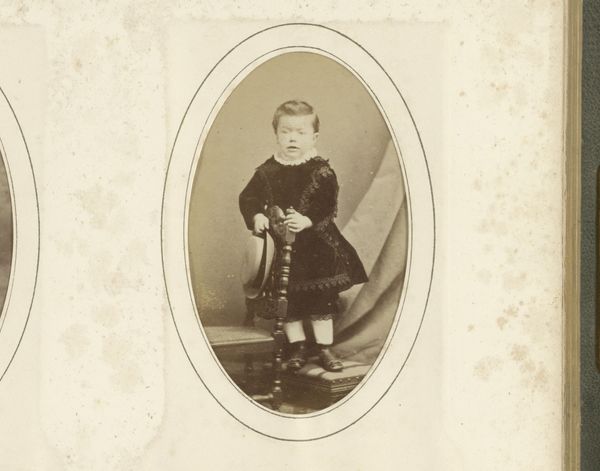
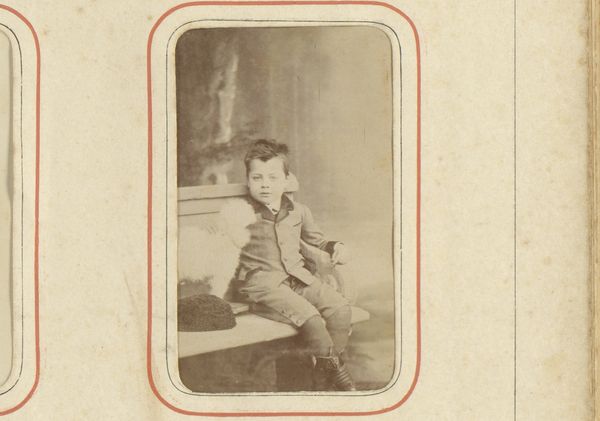
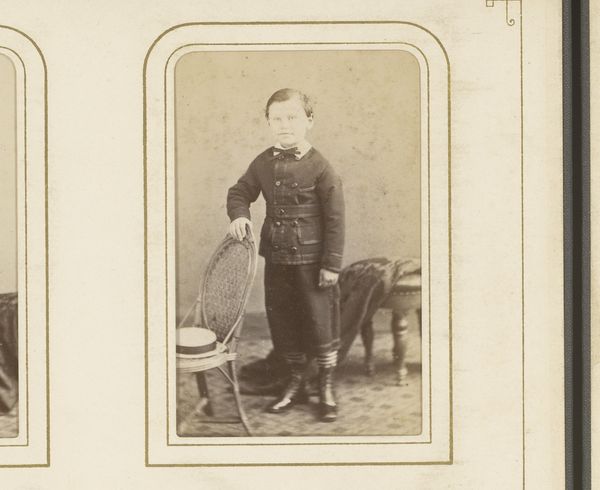
Ernst Wolffram created this photograph of a girl with a chair using the wet collodion process. This mode of photography, which gained popularity in the mid-19th century, speaks volumes about social and cultural values. Consider the deliberate staging. The girl’s pose, the presence of the chair, and her formal attire all suggest an effort to portray respectability and status. In a time when photography was becoming more accessible, portraits like these were a way for families to document and display their social standing. The chair serves as a crucial prop, connoting domesticity and stability. The girl's dress, with its plaid pattern and accompanying purse, could hint at specific regional or class affiliations. Understanding this image requires us to delve into the history of photographic technology, portraiture conventions, and the socio-economic context of the time. Looking at sources such as period photography journals, family archives, and social histories can illuminate its meaning and broader implications.