drawing, mixed-media, paper
#
drawing
#
mixed-media
#
paper
#
mixed media
#
watercolor
Dimensions: height 163 mm, width 104 mm, thickness 8 mm, width 205 mm
Copyright: Rijks Museum: Open Domain
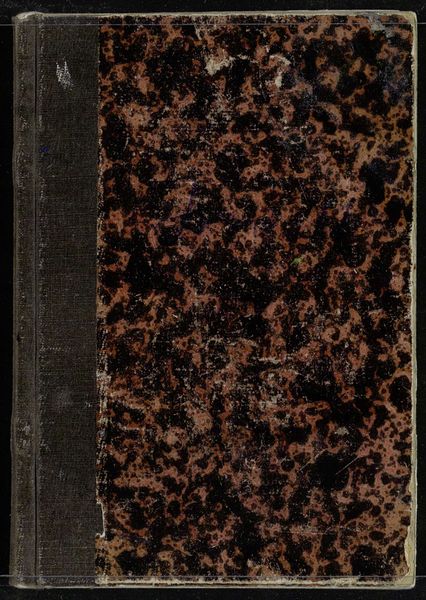
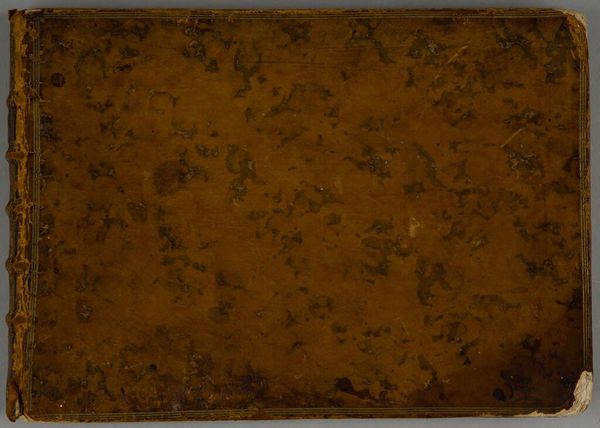
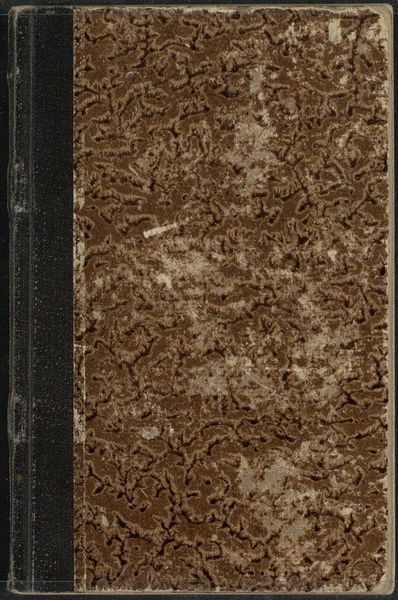
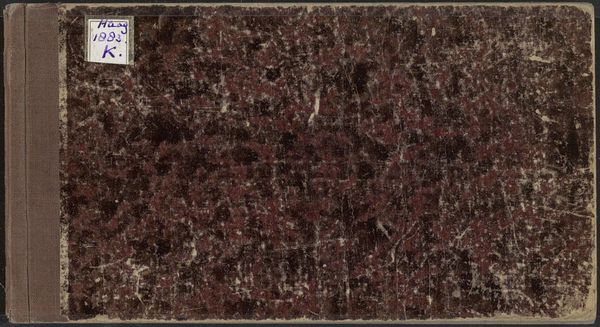
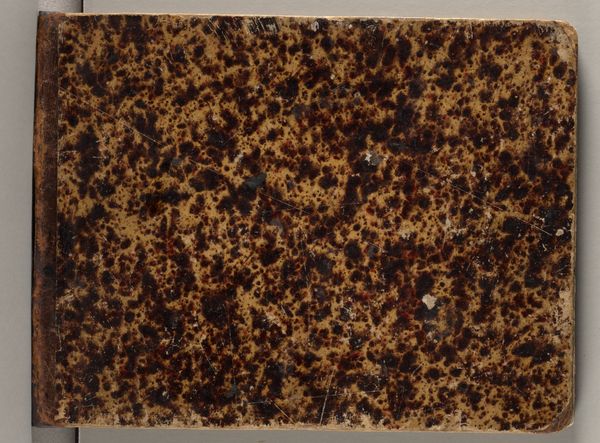
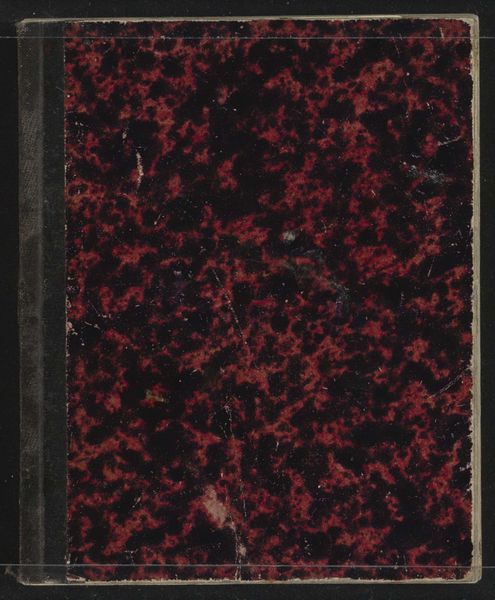
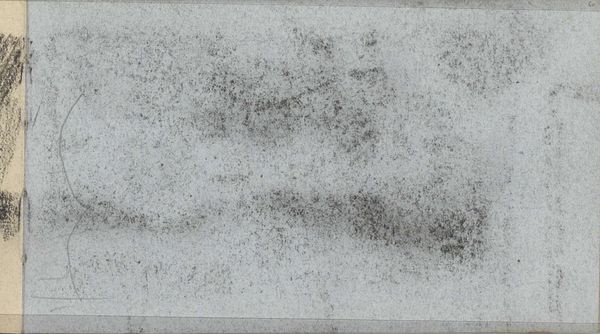
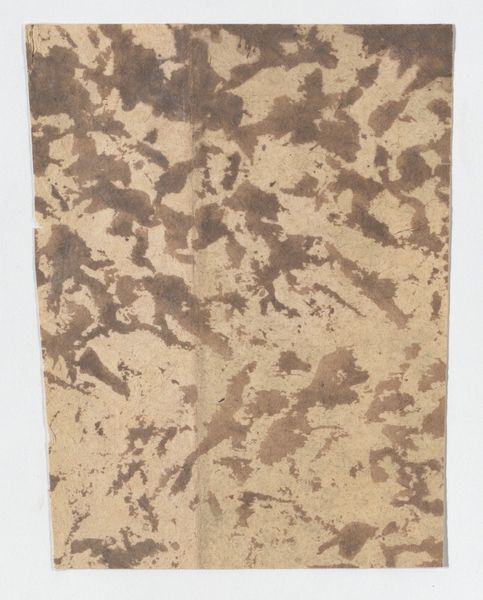
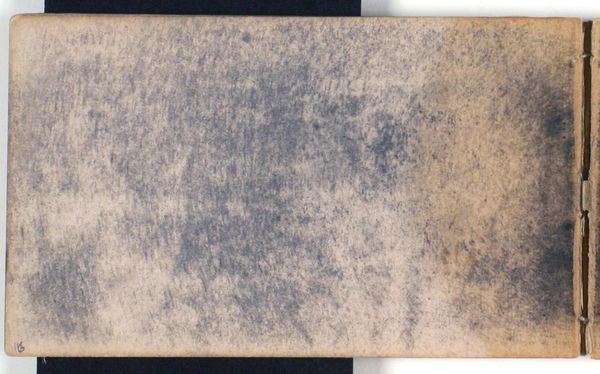
Curator: Here we have a sketchbook, one of 41 sheets, by Carel Adolph Lion Cachet. It dates from sometime between 1874 and 1945. Editor: It's incredibly unassuming at first glance. Almost austere in its presentation. The marbled cover gives it a somber, antiquated feel. Curator: Given Cachet's interest in design and his work in various applied arts, from furniture to textiles, I wonder about the role this object played. Was it a simple repository for sketches, or something more integral to his creative process—perhaps even a source book? Editor: Look at the texture. That speckled pattern on the cover, combined with the visible wear, suggests it was handled extensively. Perhaps carried around, taken to workshops? It’s far from a pristine object. The evidence of its use becomes the point, more than a static decorative surface. Curator: Exactly! It raises questions about artistic labour, about how design ideas were developed and circulated at the time. Consider, too, the mixed media – paper combined with drawing, possibly watercolor. These were relatively accessible materials. The sketchbook implies a level of practicality and resourcefulness in Cachet's work. This was not an artist aloof from everyday production. Editor: It definitely disrupts any neat divide between "high art" and the crafts. By foregrounding the sketchbook as a workspace, we can read the relationship between conception and construction, particularly how Cachet blends different material processes. Curator: I agree, and analyzing this object moves us beyond an isolated artwork to consider the broader context of art-making in his time. How did it impact the system of workshops and the accessibility to design knowledge, and was his art just a commodity in these settings? Editor: Indeed, its very format invites exploration. Thanks for framing it from a wider lens, reminding us to go beyond the surface. Curator: It does make one appreciate what an un-precious item this is. We tend to put art in hallowed places but forget the daily labor that gets one there.
Comments
No comments
Be the first to comment and join the conversation on the ultimate creative platform.
 Collect
 React
React Comment
More like this