drawing, print
drawing
geometric pattern
geometric
geometric-abstraction
architectural section drawing
vertical pattern
architectural drawing
islamic-art
decorative-art
Copyright: Public domain
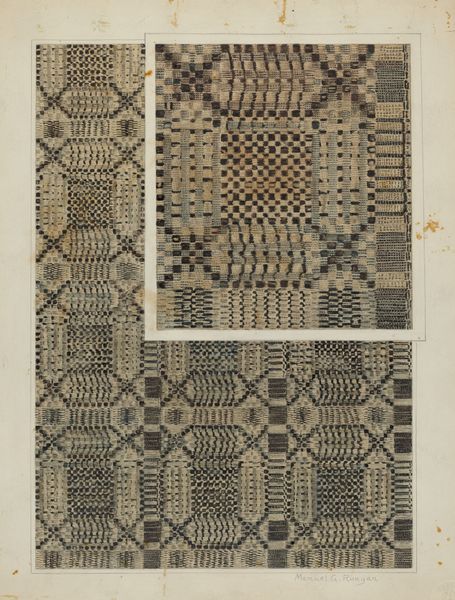
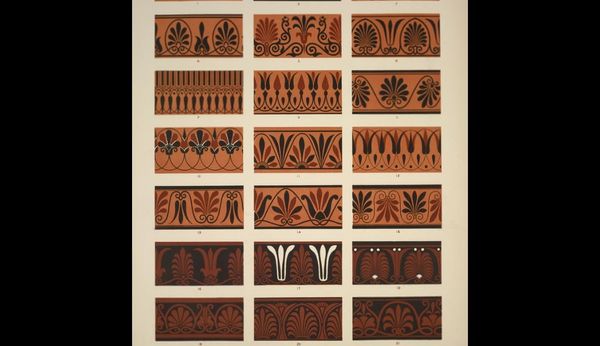
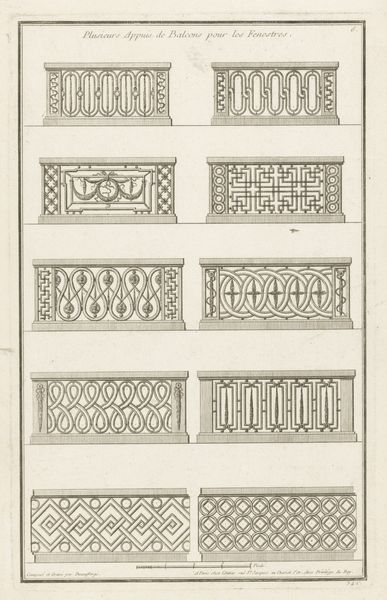
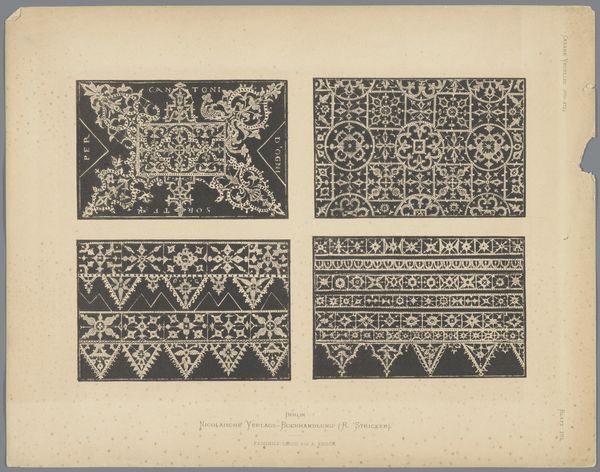
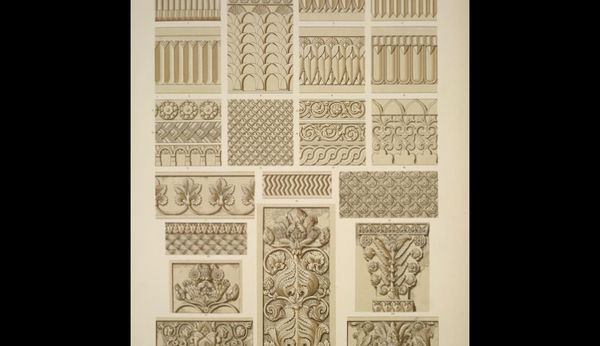
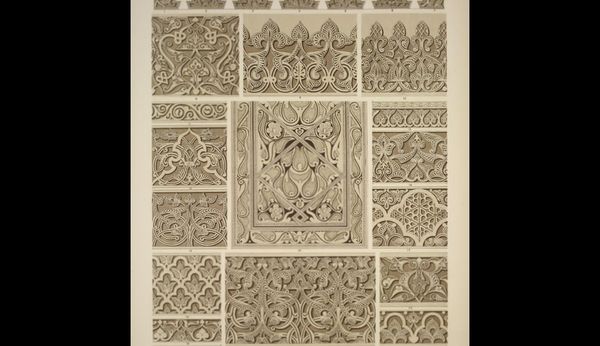
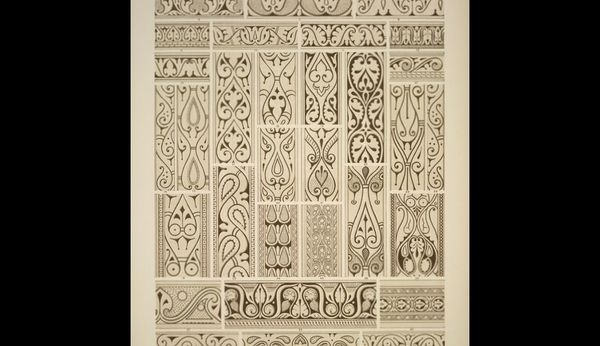
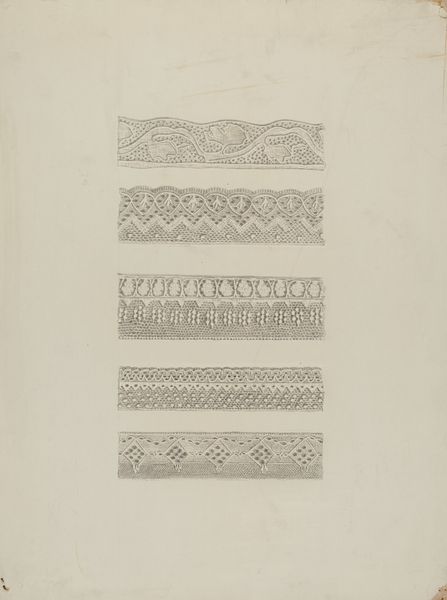
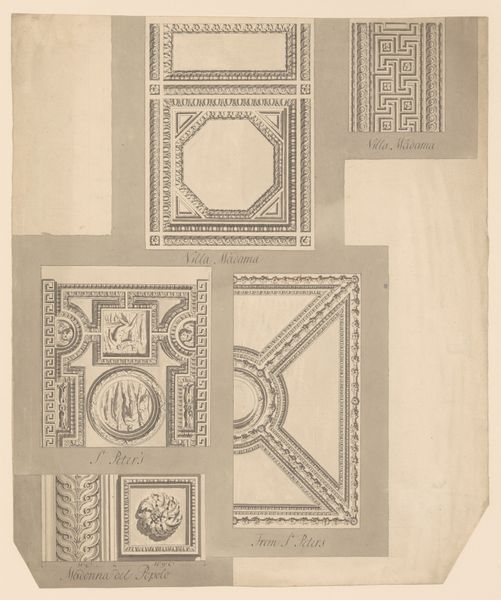
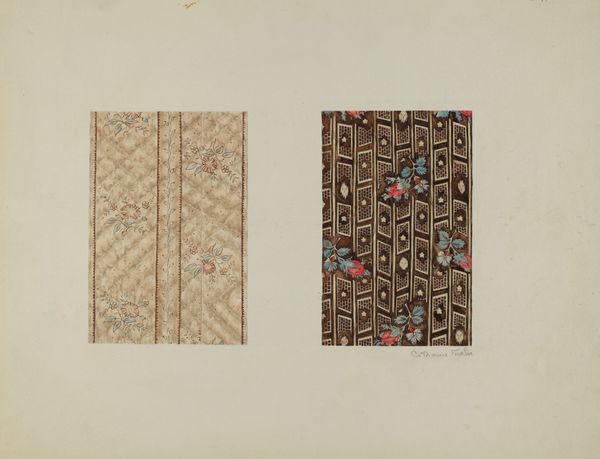
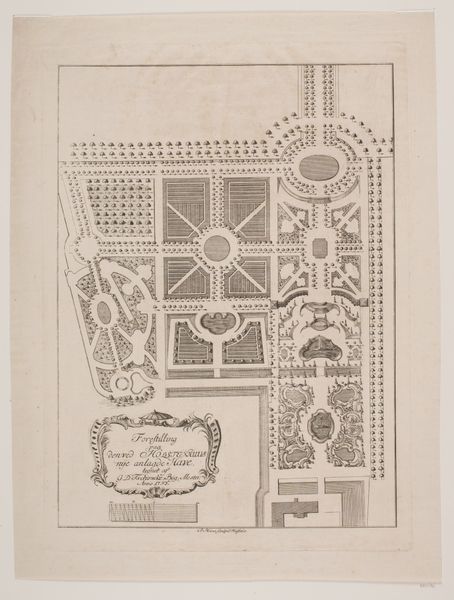
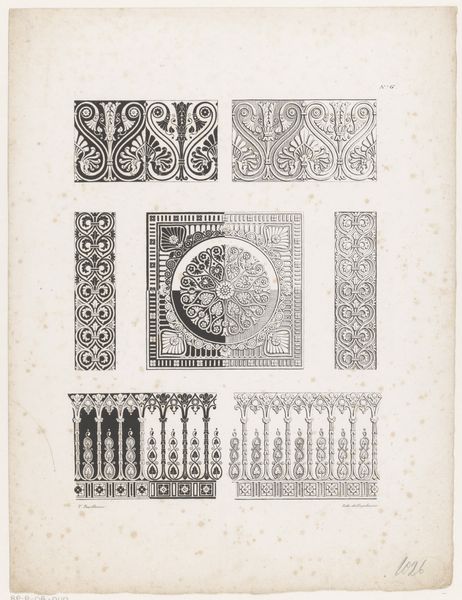
Owen Jones created "Savage Tribes No. 2." in 1867. The artwork presents various patterns and motifs meticulously arranged on a light beige background. The composition showcases a range of decorative elements, rendered in a detailed brown. The designs themselves draw from what Jones considered "savage" or indigenous cultures, reflecting a 19th-century fascination with exoticism. Notice how Jones uses symmetry and repetition across these different examples. Each element is carefully balanced, creating a harmonious visual rhythm. This is not just aesthetic but philosophical, as Jones's ordered presentation suggests an attempt to categorize and understand diverse cultural forms. The print raises questions about representation and cultural appropriation. By presenting these designs in a structured format, Jones seeks to distill and codify the essence of these cultures. In doing so, he invites viewers to consider how we assign value and meaning to different forms of visual expression. This process is not passive but carries cultural and ideological implications.
Comments
No comments
Be the first to comment and join the conversation on the ultimate creative platform.
 React
React Comment