About this artwork
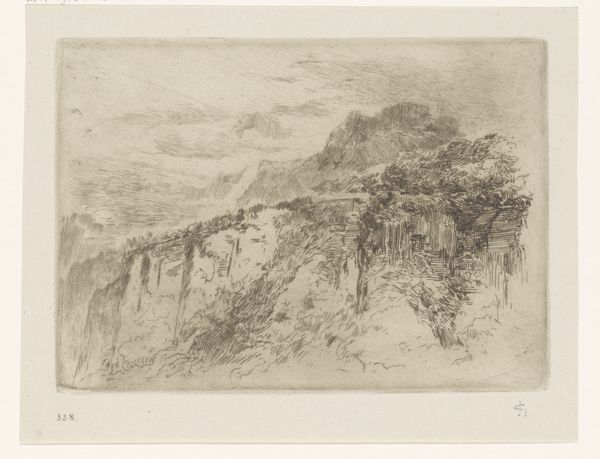
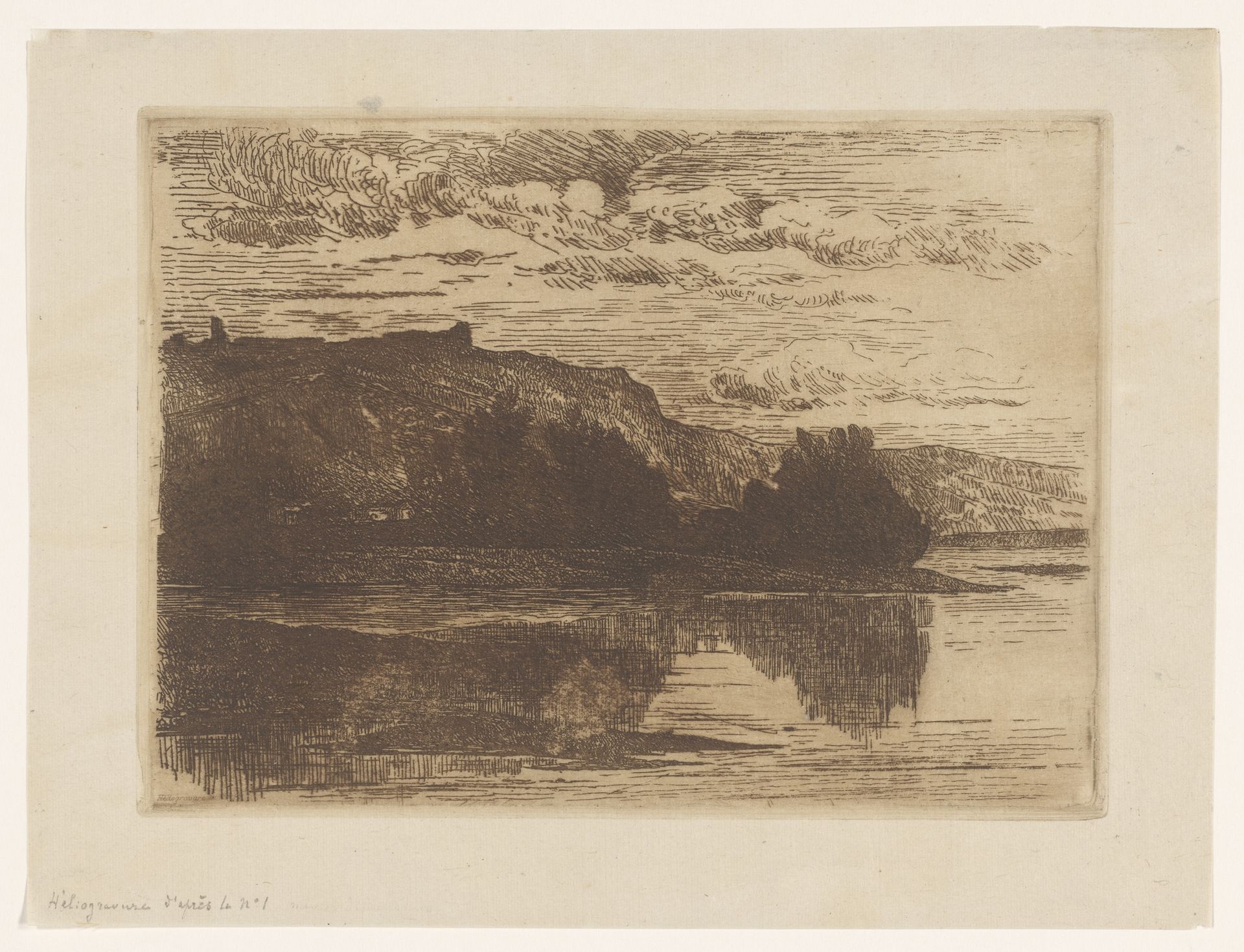
Carel Nicolaas Storm van 's-Gravesande created this print of the Ruins of Poilvache Castle using etching. The image captures the imposing ruins of the castle set high on a hill, reflected in the river below. This work belongs to a broader cultural phenomenon of the 19th century when artists across Europe turned their attention to the depiction of historical landmarks. In countries like Belgium, where this castle is located, and the Netherlands, where van 's-Gravesande was from, such imagery served to foster a sense of national identity and pride in their medieval past. Prints like these were also easily reproducible and circulated widely, reinforcing a shared cultural heritage. Art historians often consult archives, period publications, and exhibition records to understand how such works were received and what role they played in shaping public perceptions of history and national identity. The meaning of this art is contingent on the social and institutional context.
Ruïnes van kasteel Poilvache
1871

Carel Nicolaas Storm van 's-Gravesande
1841 - 1924Location
RijksmuseumArtwork details
- Medium
- print, etching
- Dimensions
- height 155 mm, width 212 mm
- Location
- Rijksmuseum
- Copyright
- Rijks Museum: Open Domain
Tags
Comments
Share your thoughts
About this artwork
Carel Nicolaas Storm van 's-Gravesande created this print of the Ruins of Poilvache Castle using etching. The image captures the imposing ruins of the castle set high on a hill, reflected in the river below. This work belongs to a broader cultural phenomenon of the 19th century when artists across Europe turned their attention to the depiction of historical landmarks. In countries like Belgium, where this castle is located, and the Netherlands, where van 's-Gravesande was from, such imagery served to foster a sense of national identity and pride in their medieval past. Prints like these were also easily reproducible and circulated widely, reinforcing a shared cultural heritage. Art historians often consult archives, period publications, and exhibition records to understand how such works were received and what role they played in shaping public perceptions of history and national identity. The meaning of this art is contingent on the social and institutional context.
Comments
Share your thoughts