About this artwork
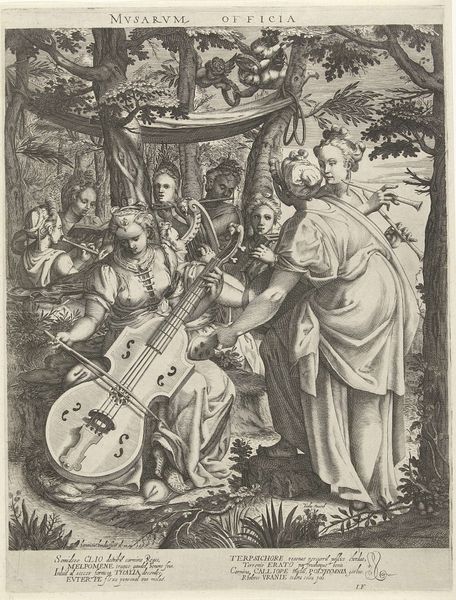
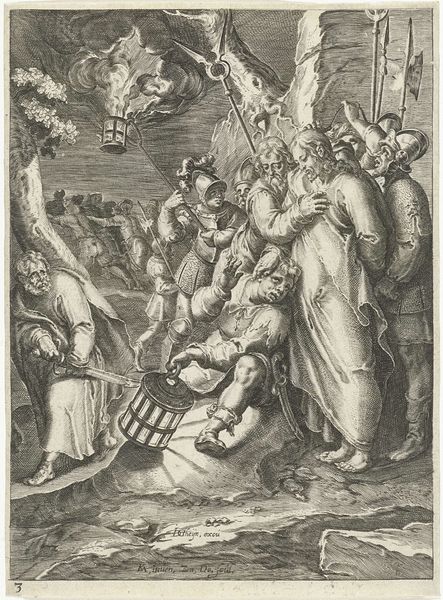
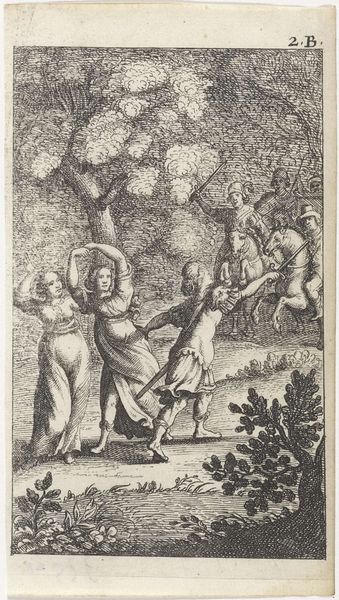
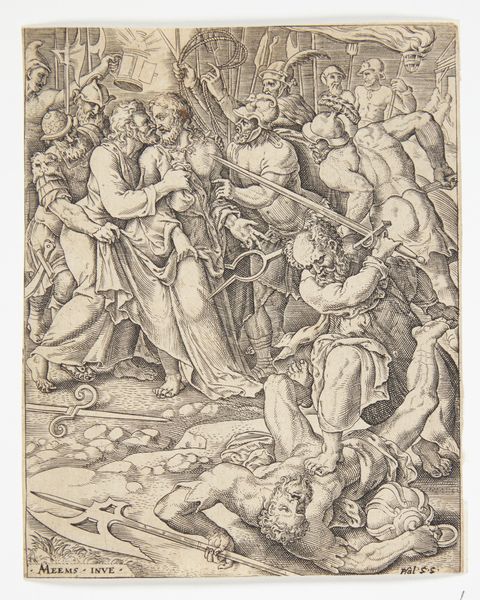
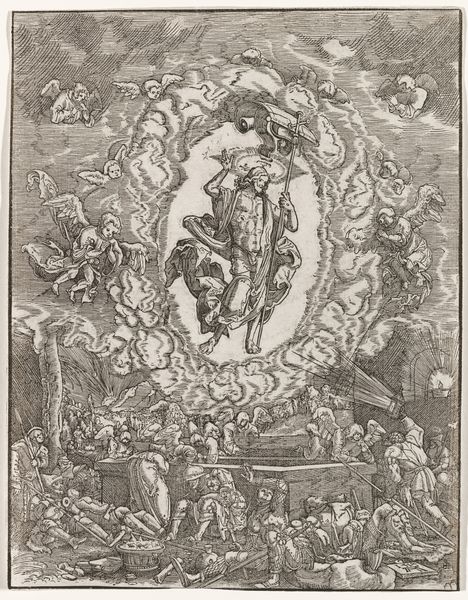
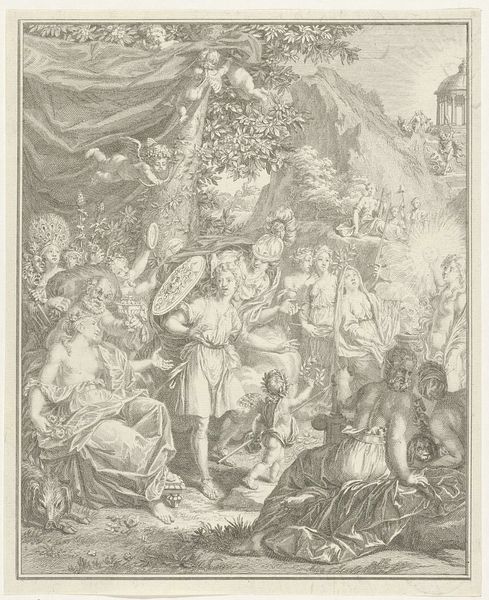
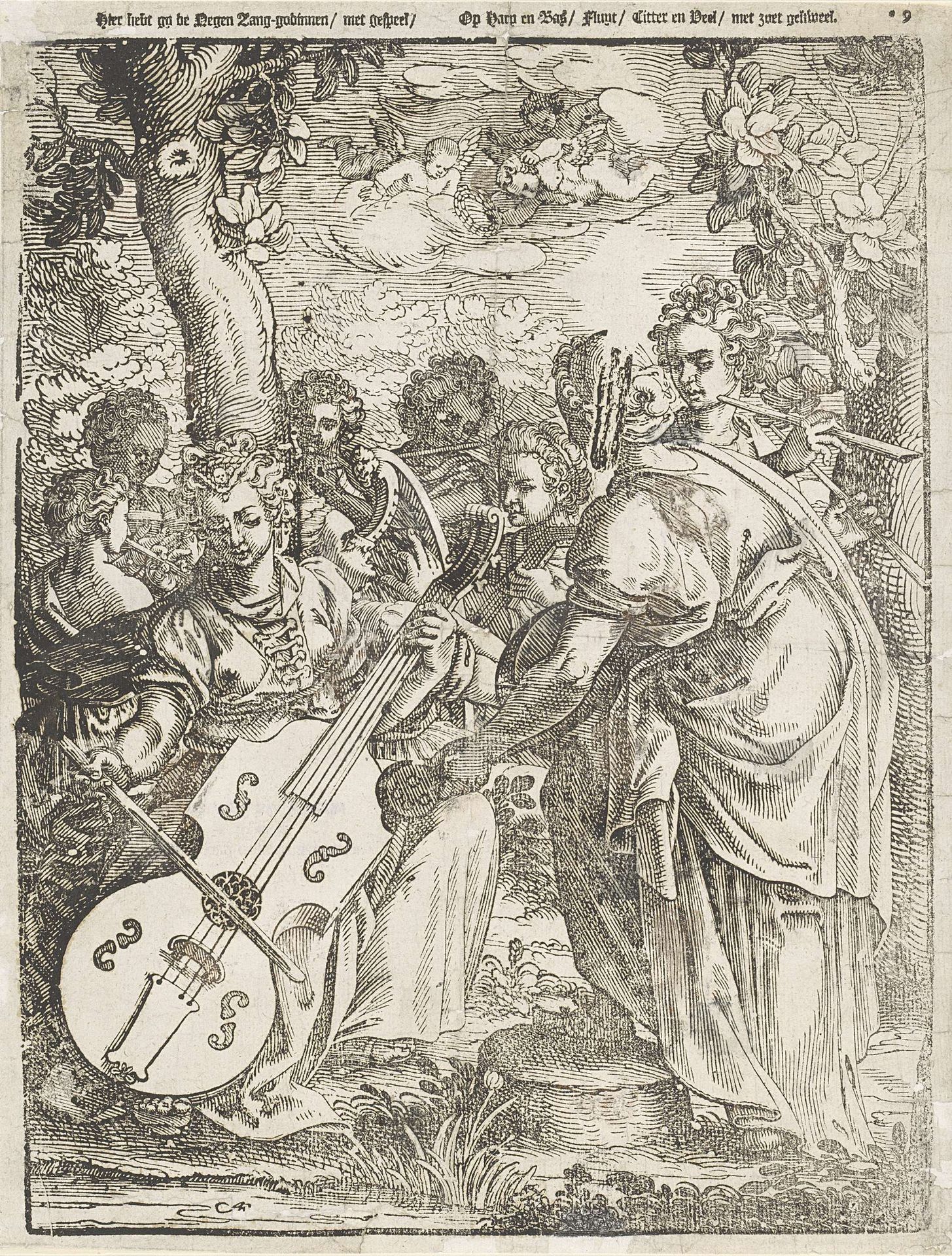
This engraving of the Nine Muses was made in the 16th century by the artist known only as Monogrammist AF. It is an example of the printmaker’s art, which allowed for the wide dissemination of images at a relatively low cost. The engraving process involved using a tool called a burin to incise lines directly into a metal plate. The depth and density of these lines determined the tonal range of the final print. The technique required a mastery of controlled hand movements, using pressure to achieve the desired effect. Close examination reveals the artist's skill in capturing intricate details. This print is not just a visual representation, but also a cultural artifact reflecting the values of its time. It speaks to the increasing value placed on artistic skill, knowledge, and the power of mass production in spreading ideas, influencing taste, and expanding access to art.
Negen zanggodinnen
c. 1550

Monogrammist AF (16e eeuw)
@monogrammistaf16eeeuwLocation
RijksmuseumArtwork details
- Medium
- engraving
- Dimensions
- height 389 mm, width 298 mm
- Location
- Rijksmuseum
- Copyright
- Rijks Museum: Open Domain
Tags
Comments
Share your thoughts
About this artwork
This engraving of the Nine Muses was made in the 16th century by the artist known only as Monogrammist AF. It is an example of the printmaker’s art, which allowed for the wide dissemination of images at a relatively low cost. The engraving process involved using a tool called a burin to incise lines directly into a metal plate. The depth and density of these lines determined the tonal range of the final print. The technique required a mastery of controlled hand movements, using pressure to achieve the desired effect. Close examination reveals the artist's skill in capturing intricate details. This print is not just a visual representation, but also a cultural artifact reflecting the values of its time. It speaks to the increasing value placed on artistic skill, knowledge, and the power of mass production in spreading ideas, influencing taste, and expanding access to art.
Comments
Share your thoughts