c. 19th century
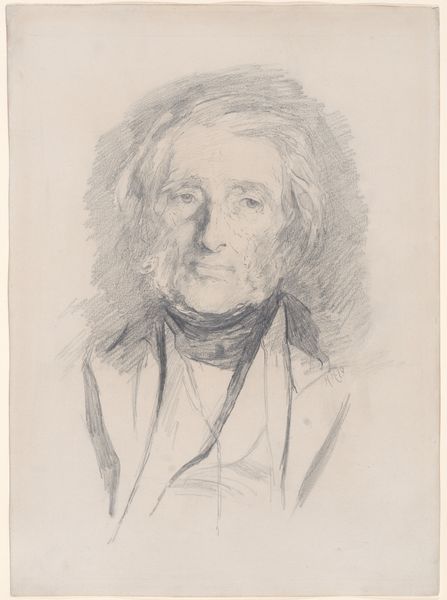
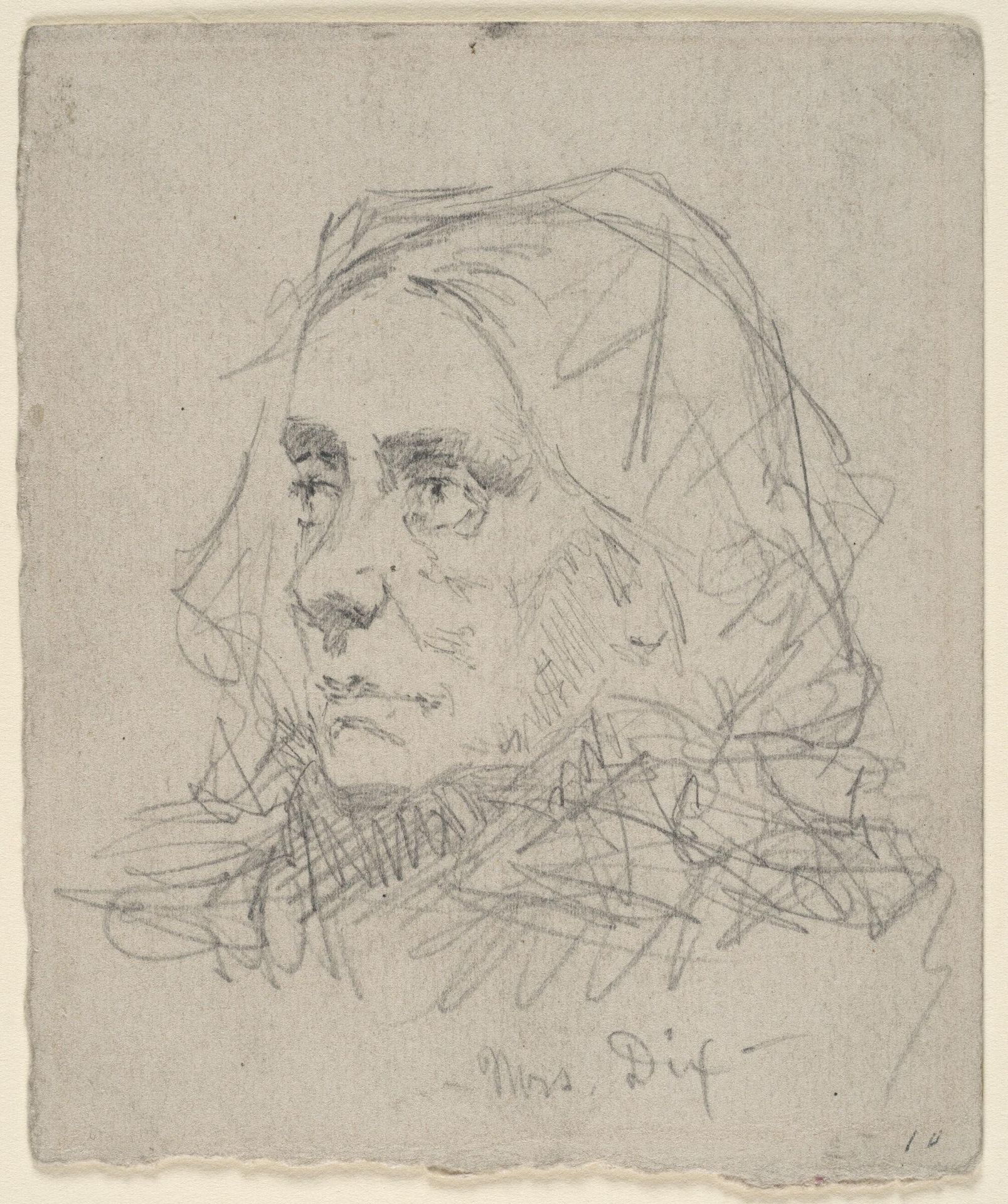
Portrait Study of Mrs. Dix


Listen to curator's interpretation
Curatorial notes
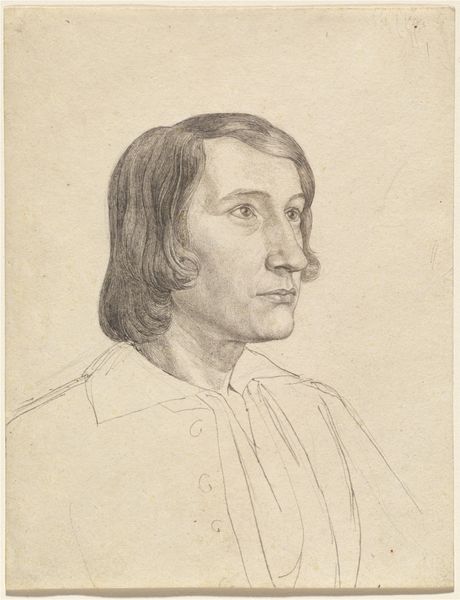
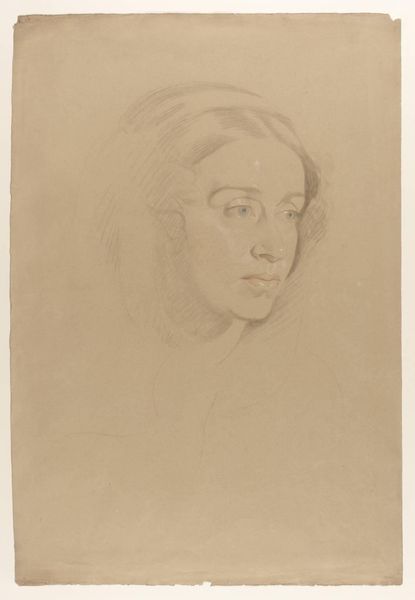
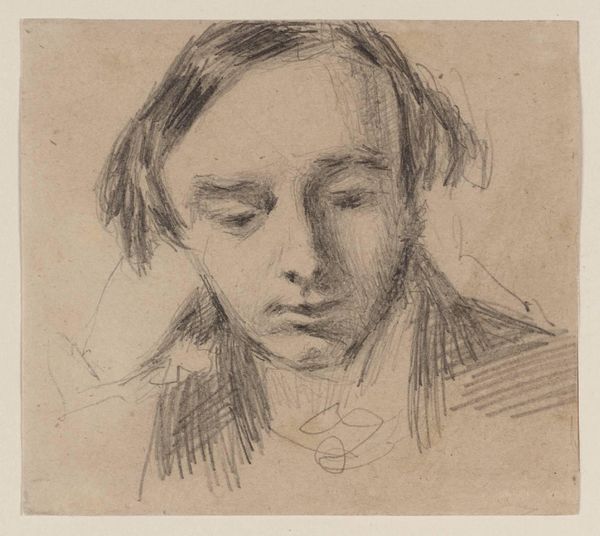
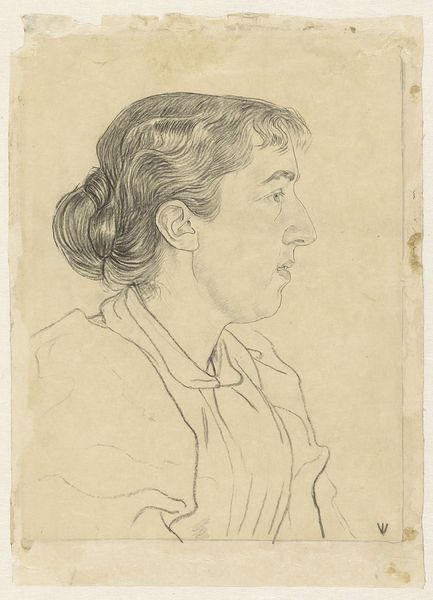
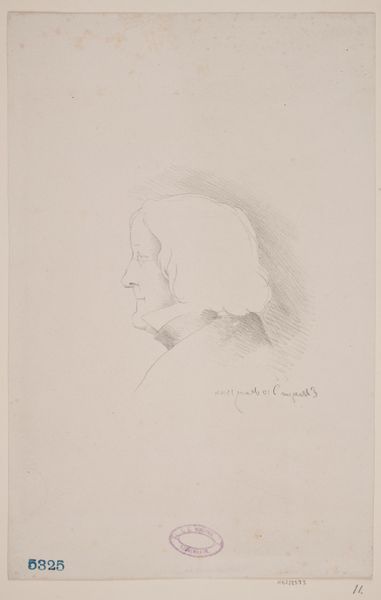
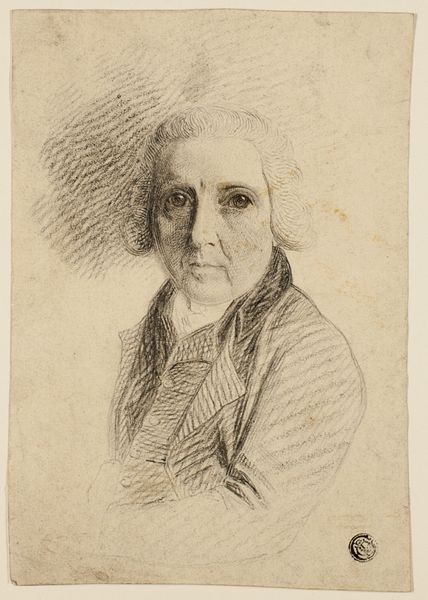
Curator: Here we have Eastman Johnson's "Portrait Study of Mrs. Dix," a graphite sketch from the collections of the Harvard Art Museums. Editor: The immediacy is striking. The quick, almost frenetic, strokes of graphite give it a raw, unfinished quality. You can almost feel the artist's hand at work. Curator: Johnson was known for his genre scenes, often depicting everyday American life. But portraits like these reveal the more elite social circles he navigated. The work suggests a society where access and representation were carefully managed. Editor: And look at the paper itself, its texture and the way it receives the graphite. The varying pressure and density suggests the skill and process of drawing. Curator: It gives a sense of the sitter and the artist's relationship. It hints at status and the power of portraiture in solidifying social position. Editor: Indeed, a glimpse behind the scenes, into the labor and materials that constitute artistic practice. Curator: A valuable reminder of the complex layers of history embedded within a seemingly simple sketch. Editor: A fascinating glimpse into the artist's method and the quiet dignity of its subject.