About this artwork
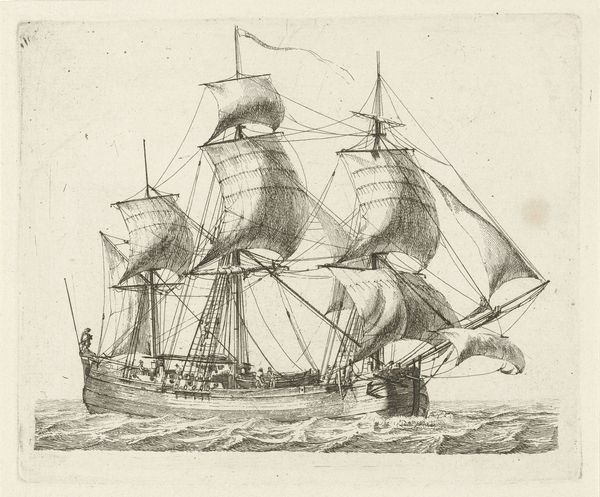
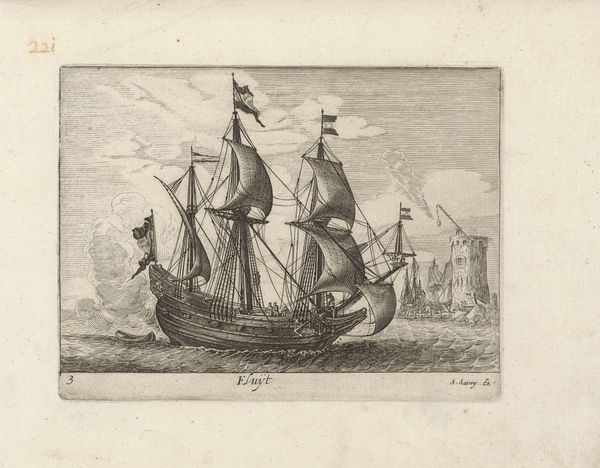
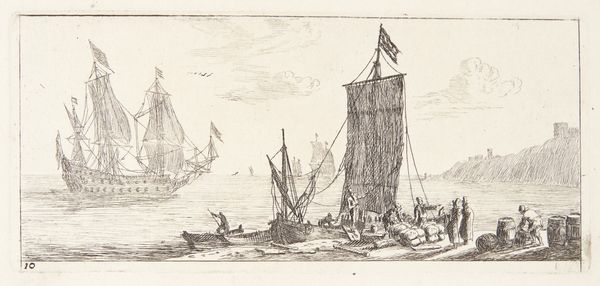
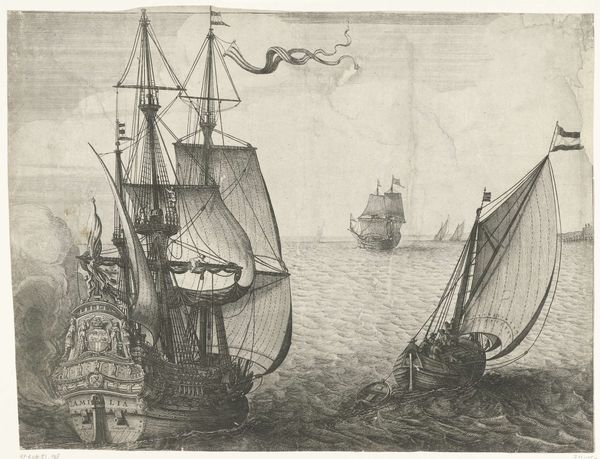
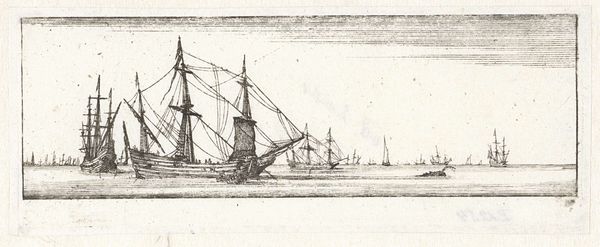
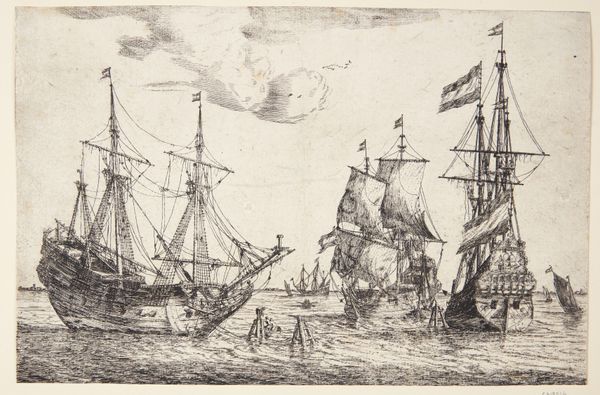
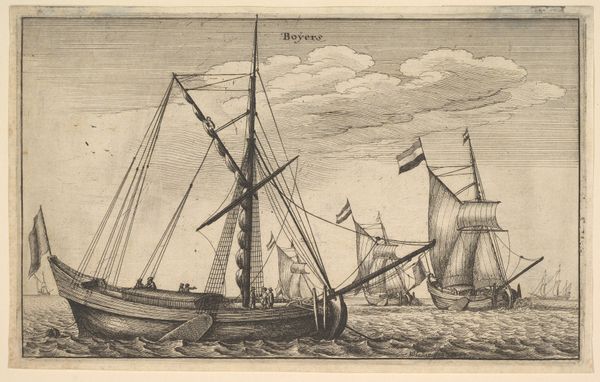
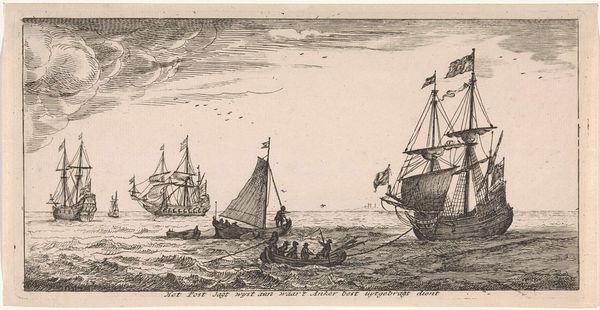
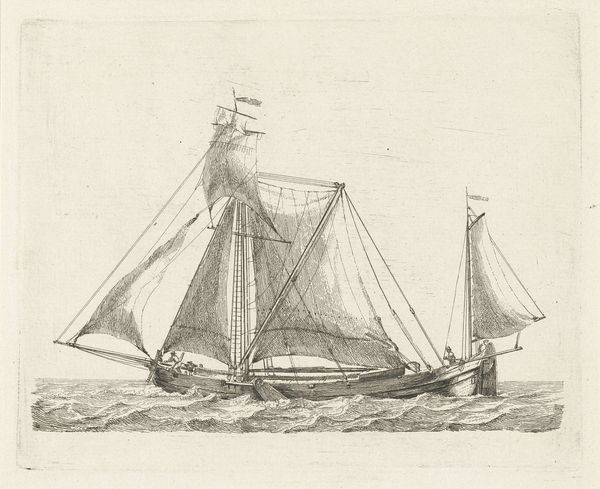
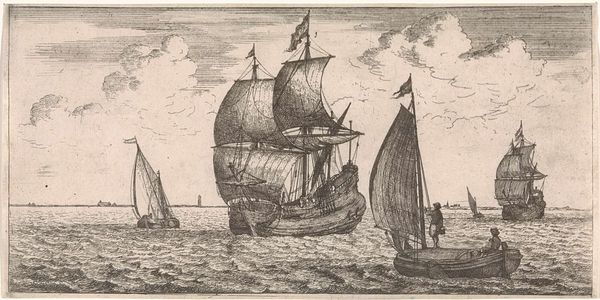
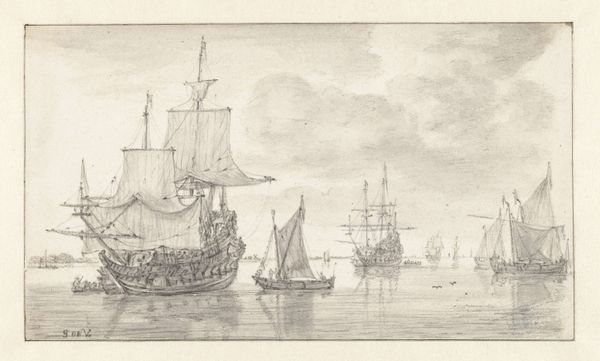
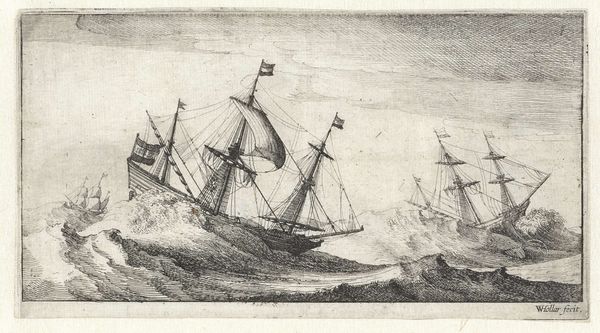
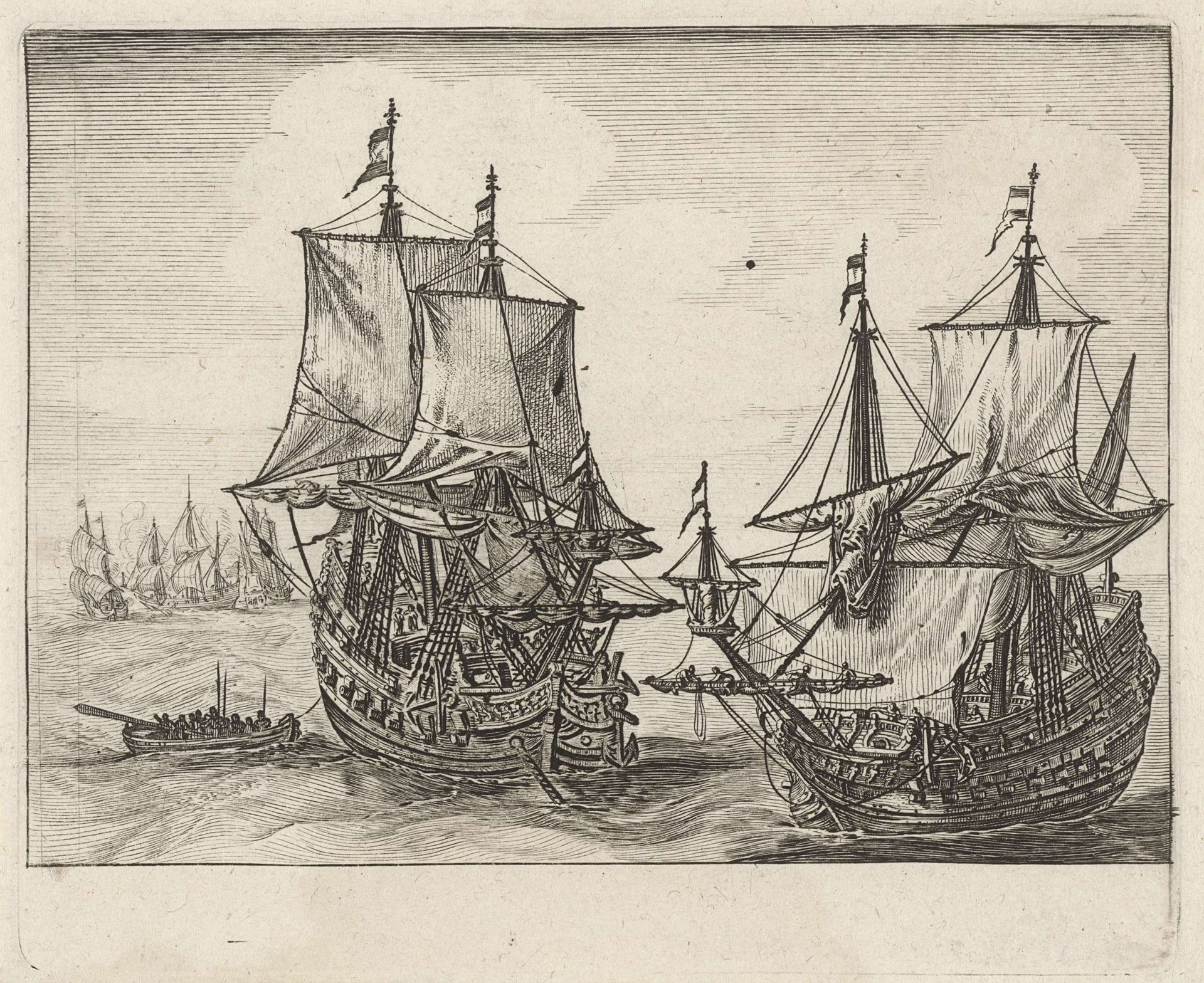
Salomon Savery created "Two Dutch Warships at Anchor," an etching now held in the Rijksmuseum, using only the stark contrast of black lines on a white background to render the scene. Notice how Savery meticulously articulates each ship's structure, focusing on the intricate rigging and billowing sails. The composition leads our eye to the fleet of ships in the distance. The use of line suggests depth and texture, and the repetition of forms creates a visual rhythm. This ordered depiction of naval power can be seen as a formal representation of the structured society of the Dutch Golden Age. Yet, the ships at anchor suggest a moment of pause. Savery uses this formal arrangement to explore themes of power and order in his time. This exploration challenges us to consider the function of such displays in the broader societal context.
Twee Nederlandse oorlogsschepen voor anker
1610 - 1665
Salomon Savery
1594 - 1678Location
RijksmuseumArtwork details
- Medium
- print, engraving
- Dimensions
- width 137 mm, height 167 mm
- Location
- Rijksmuseum
- Copyright
- Rijks Museum: Open Domain
Tags
Comments
Share your thoughts
About this artwork
Salomon Savery created "Two Dutch Warships at Anchor," an etching now held in the Rijksmuseum, using only the stark contrast of black lines on a white background to render the scene. Notice how Savery meticulously articulates each ship's structure, focusing on the intricate rigging and billowing sails. The composition leads our eye to the fleet of ships in the distance. The use of line suggests depth and texture, and the repetition of forms creates a visual rhythm. This ordered depiction of naval power can be seen as a formal representation of the structured society of the Dutch Golden Age. Yet, the ships at anchor suggest a moment of pause. Savery uses this formal arrangement to explore themes of power and order in his time. This exploration challenges us to consider the function of such displays in the broader societal context.
Comments
Share your thoughts