About this artwork
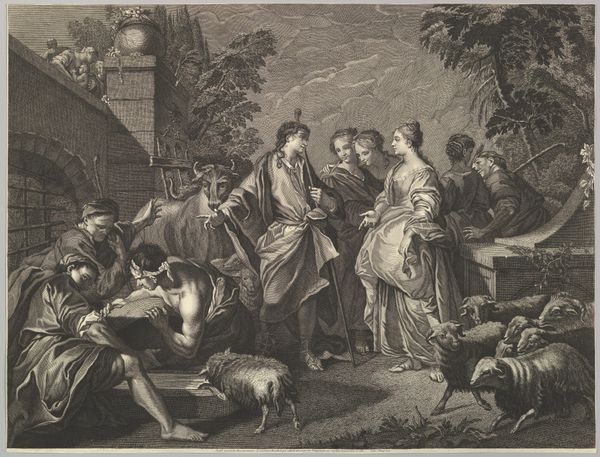
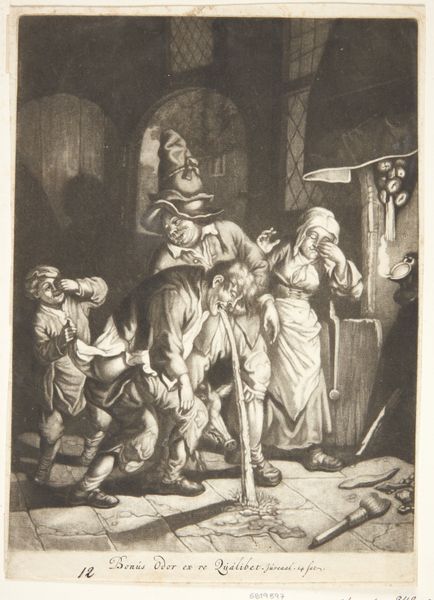
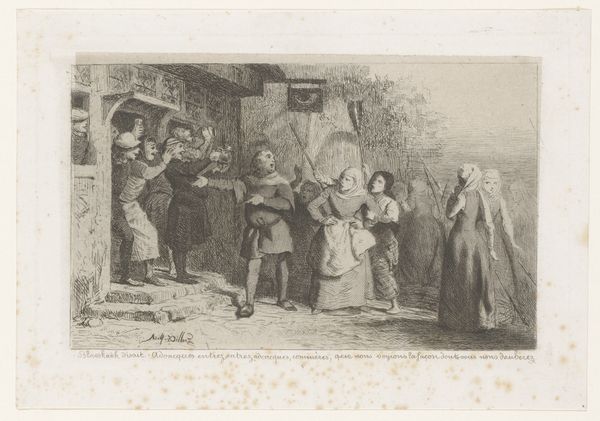
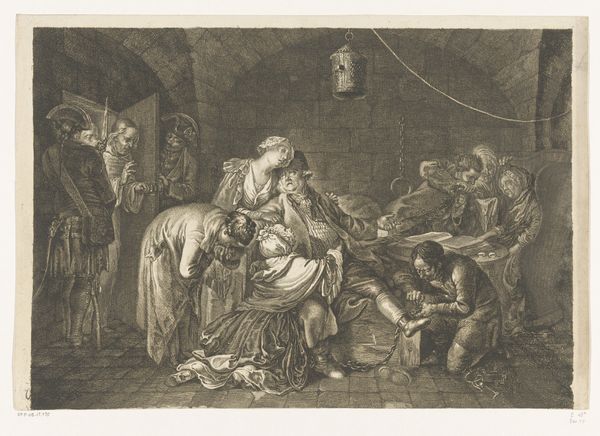
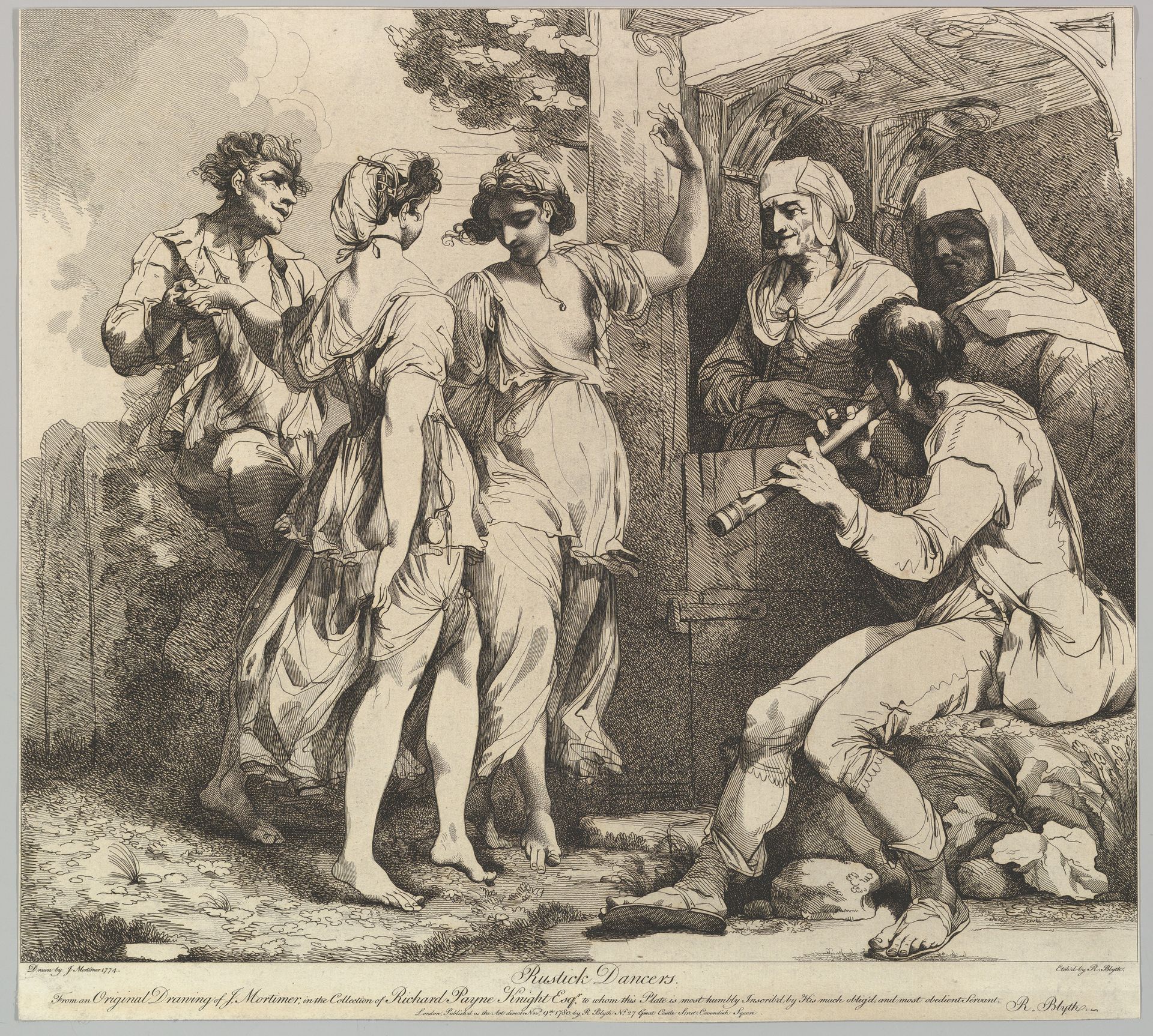
"Rustick Dancers" was made by Robert Blyth, probably in the 1770s, using etching and engraving on paper. The image is teeming with lines, built up by acid biting into a metal plate, then inked and pressed onto paper. Look closely, and you can see how Blyth used hatching and cross-hatching to create the illusion of depth and shadow. The print medium itself is key here. This wasn’t a unique artwork, but one of many impressions pulled from the plate. Prints like this played a vital role in circulating images and ideas in the 18th century. This image makes accessible, in multiple copies, a picturesque scene of rural life. The figures' postures and expressions speak to the pleasures of leisure, but also to the labor and social hierarchies that made such moments possible. Understanding the labor involved in both the scene depicted and the creation of the print itself allows us to appreciate how deeply intertwined art, craft, and social context really are.
Rustick Dancers 1780


Artwork details
- Medium
- drawing, print, engraving
- Dimensions
- Sheet: 14 13/16 x 16 5/16 in. (37.6 x 41.4 cm)
- Location
- Metropolitan Museum of Art, New York, NY
- Copyright
- Public Domain
Tags
drawing
genre-painting
history-painting
engraving
Comments
No comments
About this artwork
"Rustick Dancers" was made by Robert Blyth, probably in the 1770s, using etching and engraving on paper. The image is teeming with lines, built up by acid biting into a metal plate, then inked and pressed onto paper. Look closely, and you can see how Blyth used hatching and cross-hatching to create the illusion of depth and shadow. The print medium itself is key here. This wasn’t a unique artwork, but one of many impressions pulled from the plate. Prints like this played a vital role in circulating images and ideas in the 18th century. This image makes accessible, in multiple copies, a picturesque scene of rural life. The figures' postures and expressions speak to the pleasures of leisure, but also to the labor and social hierarchies that made such moments possible. Understanding the labor involved in both the scene depicted and the creation of the print itself allows us to appreciate how deeply intertwined art, craft, and social context really are.
Comments
No comments