About this artwork
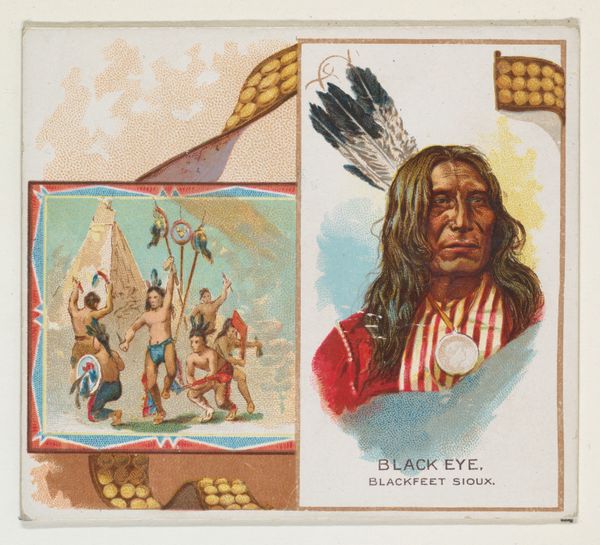
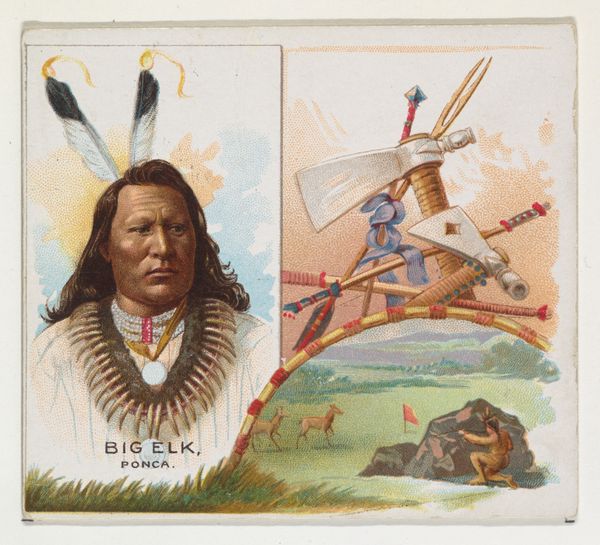
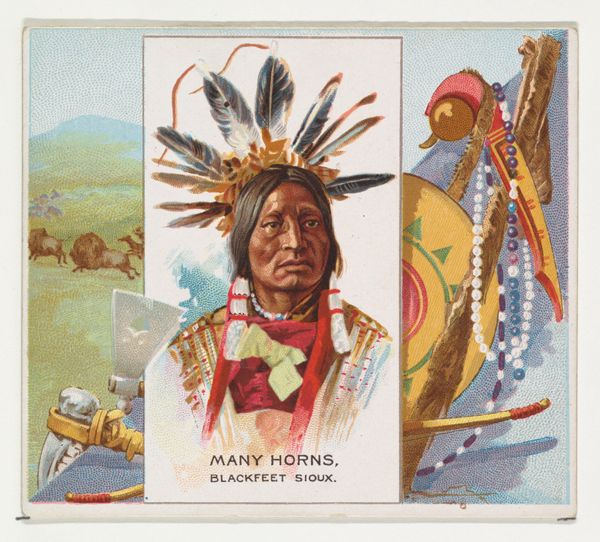
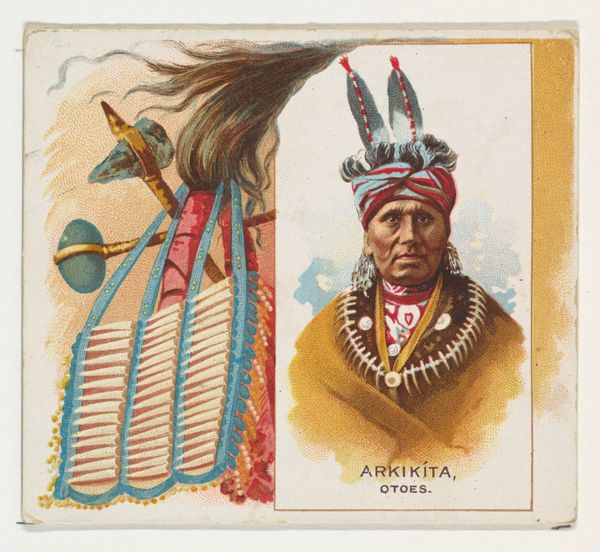
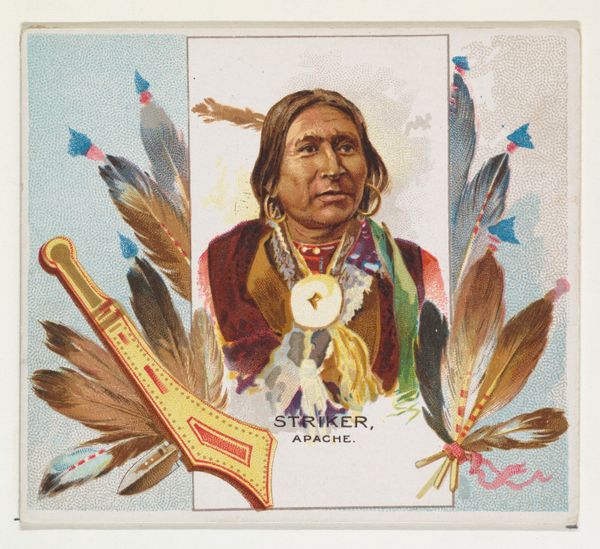
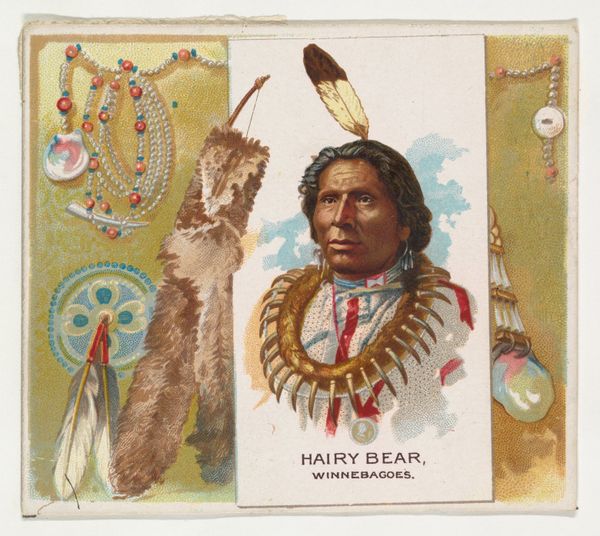
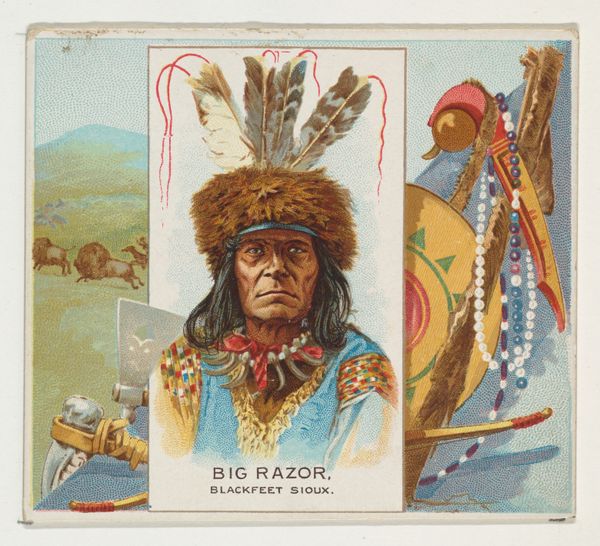
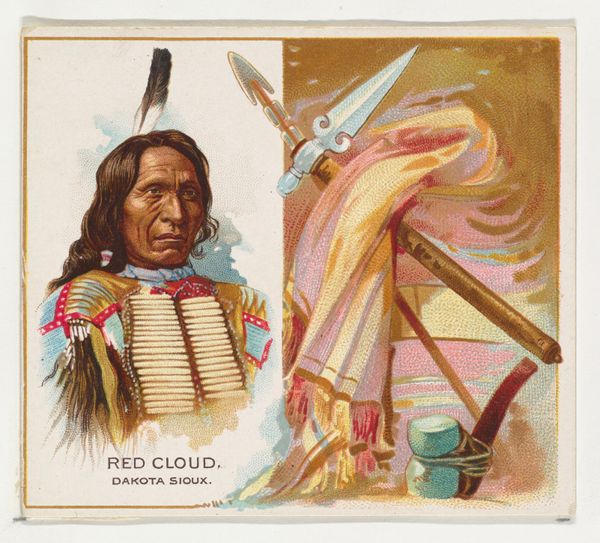
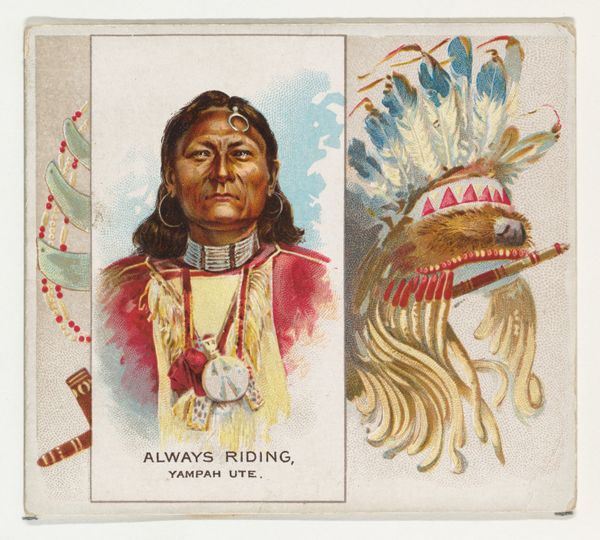
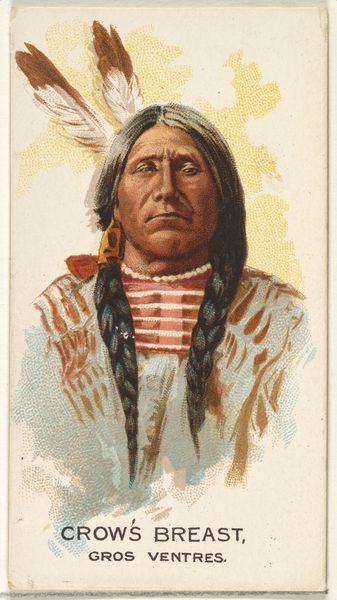
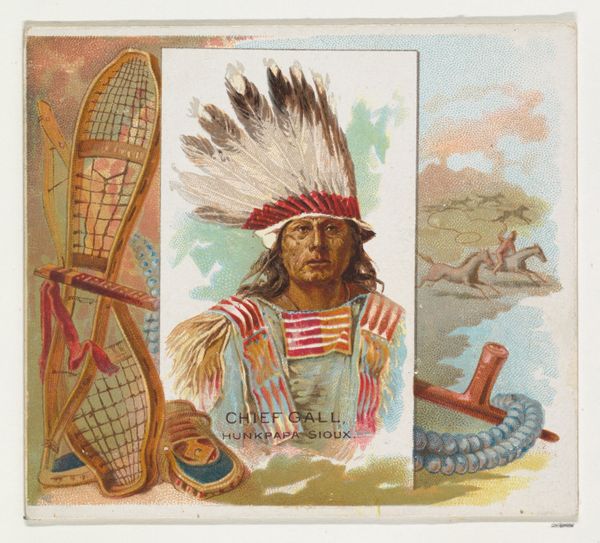
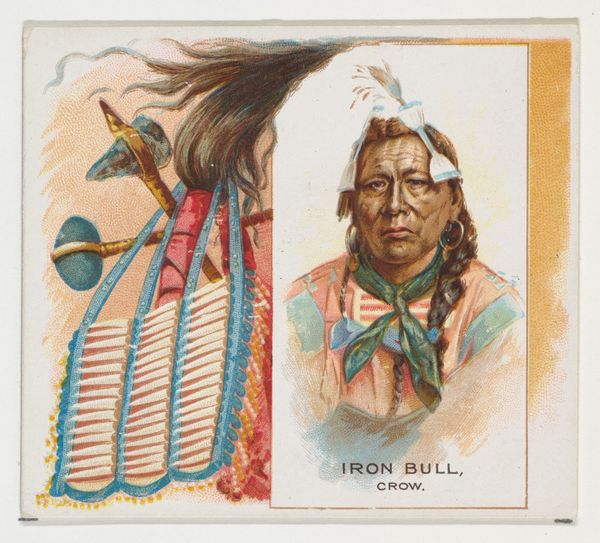
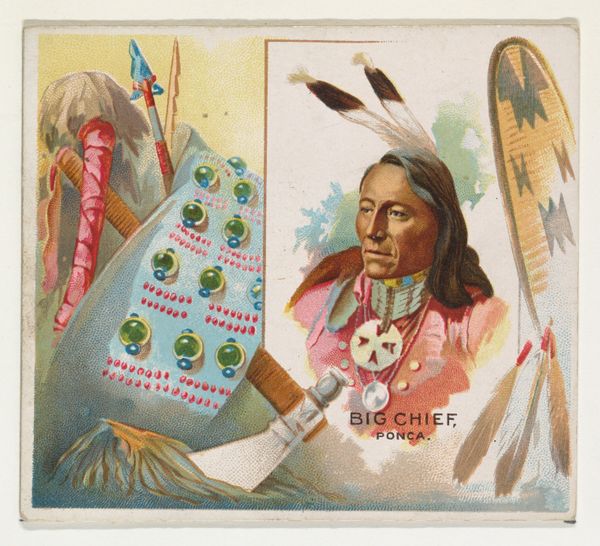
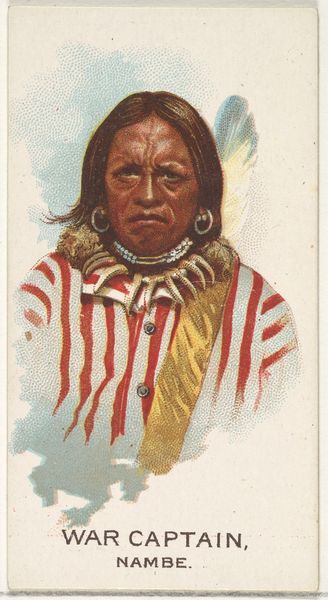
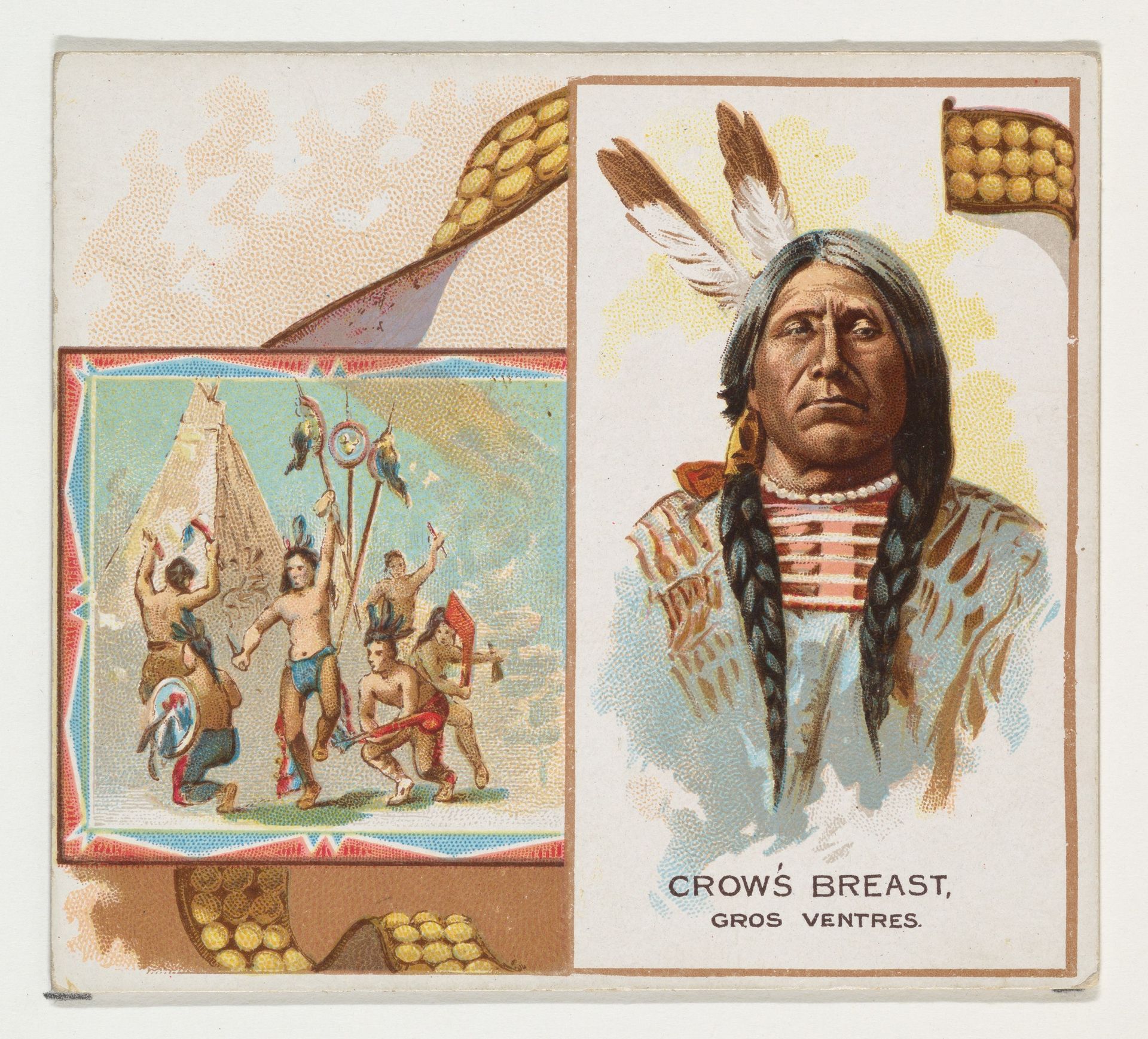
This chromolithograph of Crow's Breast, a Gros Ventres chief, was produced around 1888 by Allen and Ginter, a cigarette company. It was included in a series of American Indian Chiefs. The portrait is bordered with vignettes meant to evoke Crow’s life and culture. Yet, we must acknowledge that this is not a neutral depiction. This image was created during a period of intense cultural exchange and conflict between Native Americans and European settlers. Tobacco companies like Allen & Ginter often used images of Native Americans to market their products, playing into romanticized or exoticized ideas about indigenous cultures. The card participated in creating a cultural narrative of its time. Understanding this image requires us to consider the broader social and political context in which it was made. Researching the history of Allen & Ginter, the cultural representation of Native Americans in the late 19th century, and the history of the Gros Ventres people can help us interpret it better. Remember, art is a product of its time, shaped by the social and institutional forces at play.
Crow's Breast, Gros Ventres, from the American Indian Chiefs series (N36) for Allen & Ginter Cigarettes
1888


Artwork details
- Medium
- drawing, print
- Dimensions
- Sheet: 2 7/8 x 3 1/4 in. (7.3 x 8.3 cm)
- Location
- Metropolitan Museum of Art, New York, NY
- Copyright
- Public Domain
Tags
Comments
Share your thoughts
About this artwork
This chromolithograph of Crow's Breast, a Gros Ventres chief, was produced around 1888 by Allen and Ginter, a cigarette company. It was included in a series of American Indian Chiefs. The portrait is bordered with vignettes meant to evoke Crow’s life and culture. Yet, we must acknowledge that this is not a neutral depiction. This image was created during a period of intense cultural exchange and conflict between Native Americans and European settlers. Tobacco companies like Allen & Ginter often used images of Native Americans to market their products, playing into romanticized or exoticized ideas about indigenous cultures. The card participated in creating a cultural narrative of its time. Understanding this image requires us to consider the broader social and political context in which it was made. Researching the history of Allen & Ginter, the cultural representation of Native Americans in the late 19th century, and the history of the Gros Ventres people can help us interpret it better. Remember, art is a product of its time, shaped by the social and institutional forces at play.
Comments
Share your thoughts