About this artwork
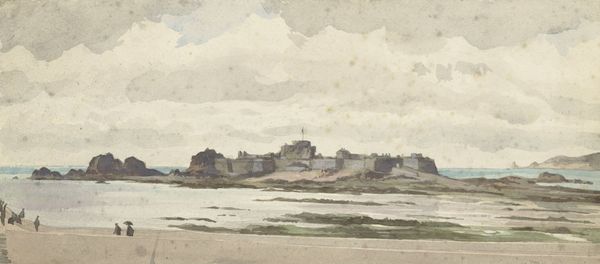
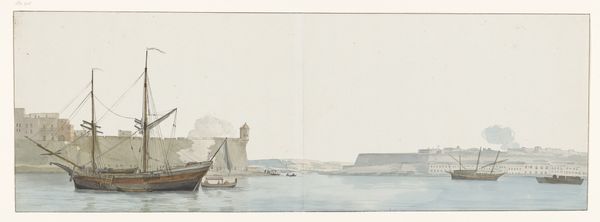
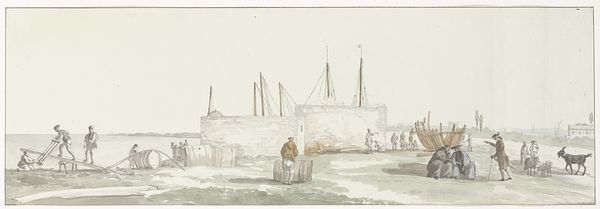
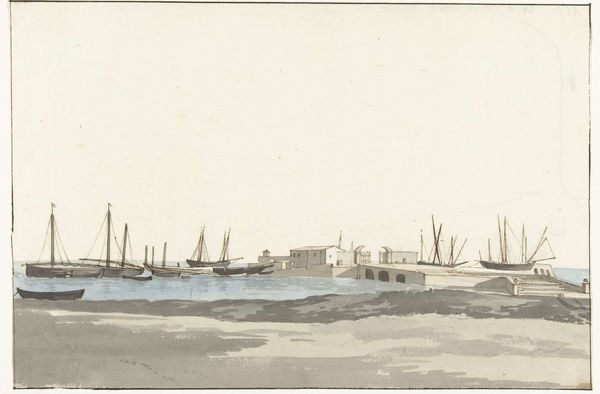
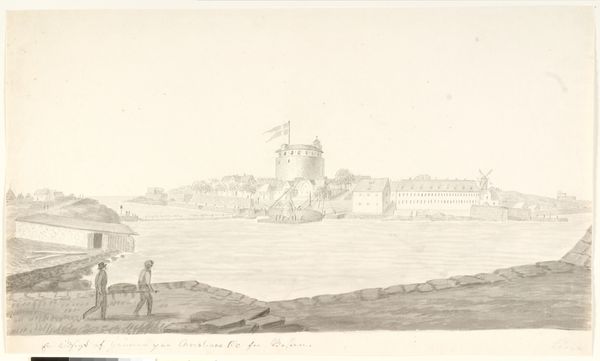
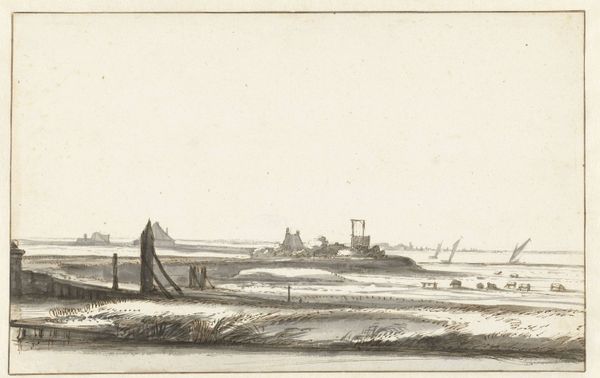
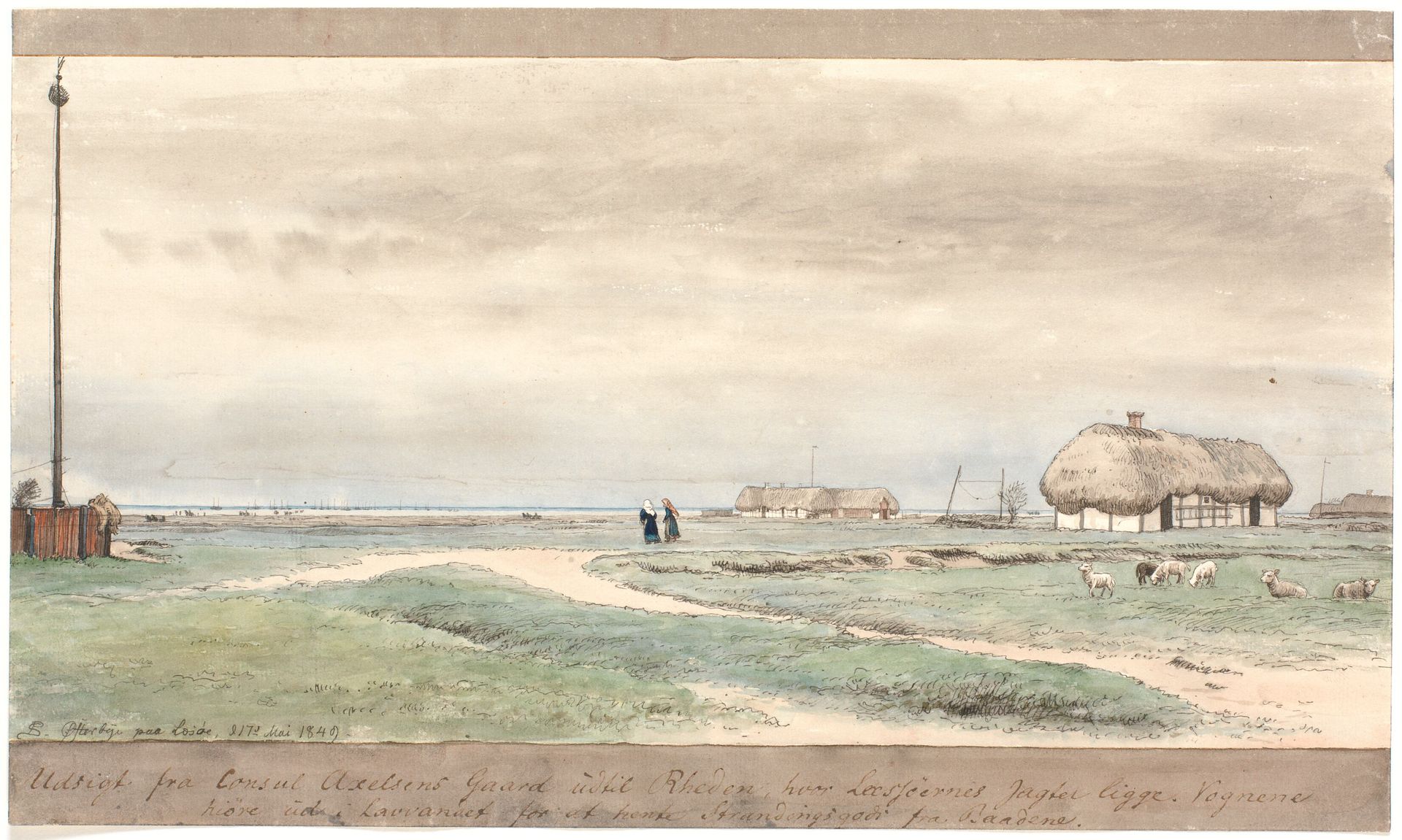
P.C. Skovgaard made this watercolour drawing, "View from Consul Axelsen's Farm towards the Roads, where the Læsø Boats are Moored" in 1849. It's a seemingly straightforward landscape but, like all art, it's tied to its time. Skovgaard was part of the Danish Golden Age, a period of national romanticism. Following the Napoleonic Wars, Denmark was diminished and artists turned to the local, to the Danish landscape, to forge a sense of national identity. Here, he depicts the island of Læsø. Note the unidealized depiction of rural life and labor; the bare, windswept fields and modest buildings. Consider also, Skovgaard’s relationship to the art academy. He was both a product and, later, a professor there. This landscape embodies a conscious turn away from the grandiose history painting, a democratizing impulse to find significance in the everyday. To fully appreciate Skovgaard, explore the writings of his contemporaries, visit the landscapes he painted, and consider the institutions that shaped his artistic vision. Only then can we understand the social forces that gave rise to this image.
Udsigt fra Consul Axelsens Gaard indtil Rheden, hvor Læssöernes Jagter ligge.
1849


Artwork details
- Medium
- drawing, painting, plein-air, watercolor
- Dimensions
- 208 mm (height) x 352 mm (width) (bladmaal)
- Location
- SMK - Statens Museum for Kunst
Tags
Comments
Share your thoughts
About this artwork
P.C. Skovgaard made this watercolour drawing, "View from Consul Axelsen's Farm towards the Roads, where the Læsø Boats are Moored" in 1849. It's a seemingly straightforward landscape but, like all art, it's tied to its time. Skovgaard was part of the Danish Golden Age, a period of national romanticism. Following the Napoleonic Wars, Denmark was diminished and artists turned to the local, to the Danish landscape, to forge a sense of national identity. Here, he depicts the island of Læsø. Note the unidealized depiction of rural life and labor; the bare, windswept fields and modest buildings. Consider also, Skovgaard’s relationship to the art academy. He was both a product and, later, a professor there. This landscape embodies a conscious turn away from the grandiose history painting, a democratizing impulse to find significance in the everyday. To fully appreciate Skovgaard, explore the writings of his contemporaries, visit the landscapes he painted, and consider the institutions that shaped his artistic vision. Only then can we understand the social forces that gave rise to this image.
Comments
Share your thoughts