About this artwork
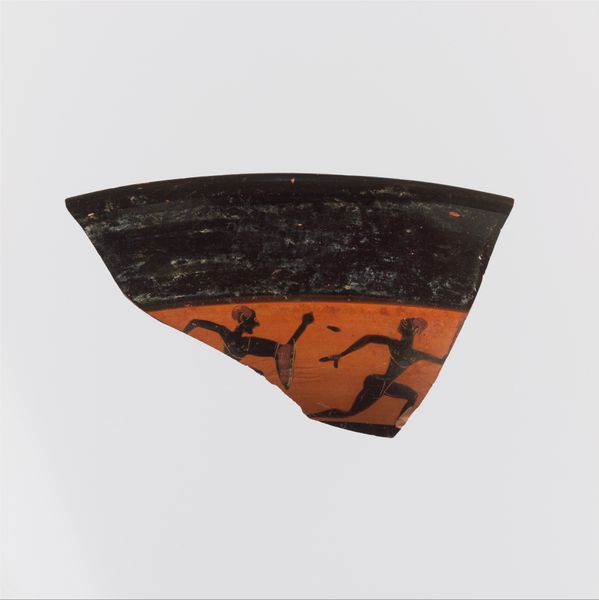
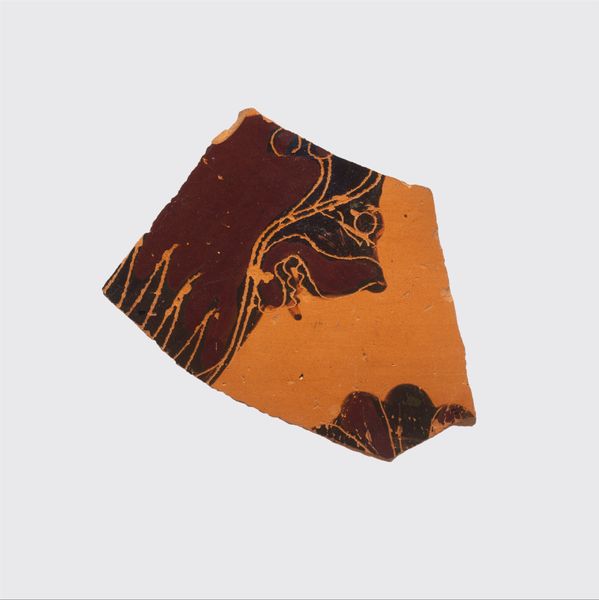
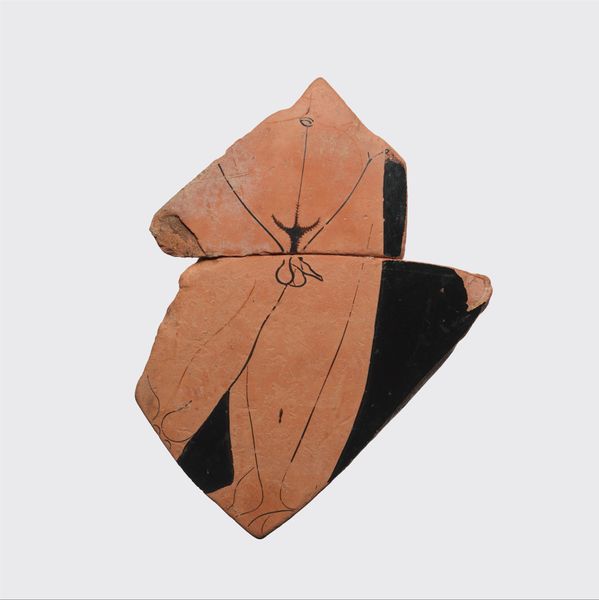
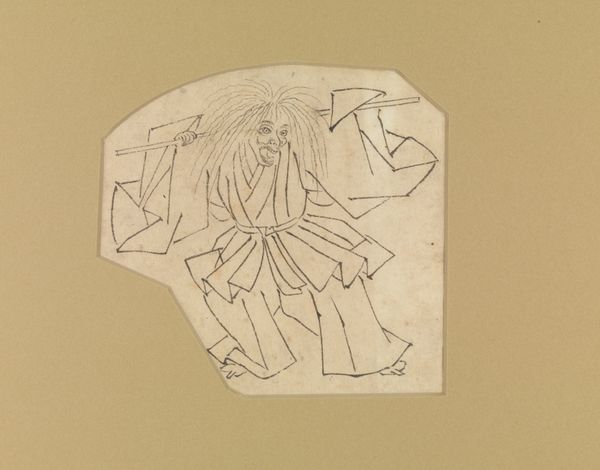
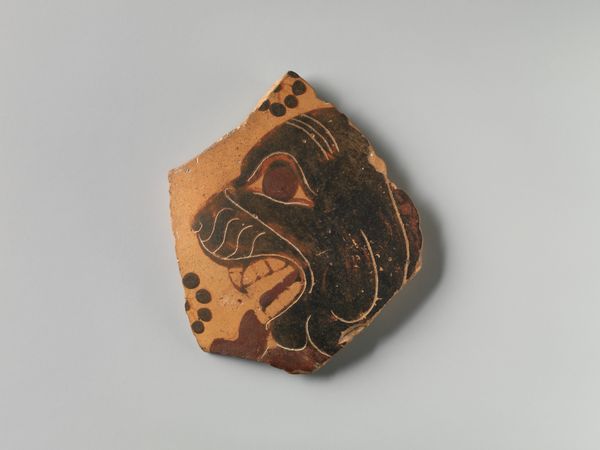
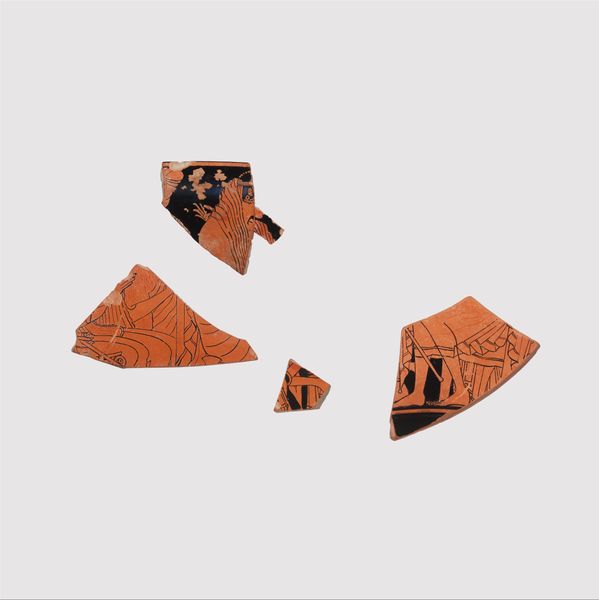
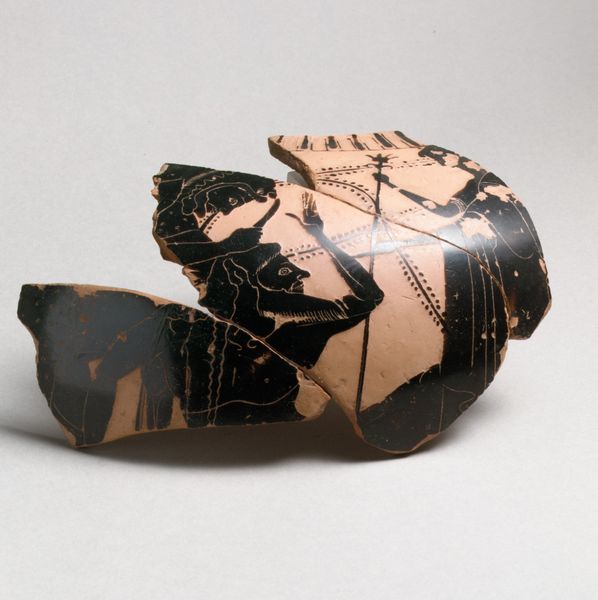
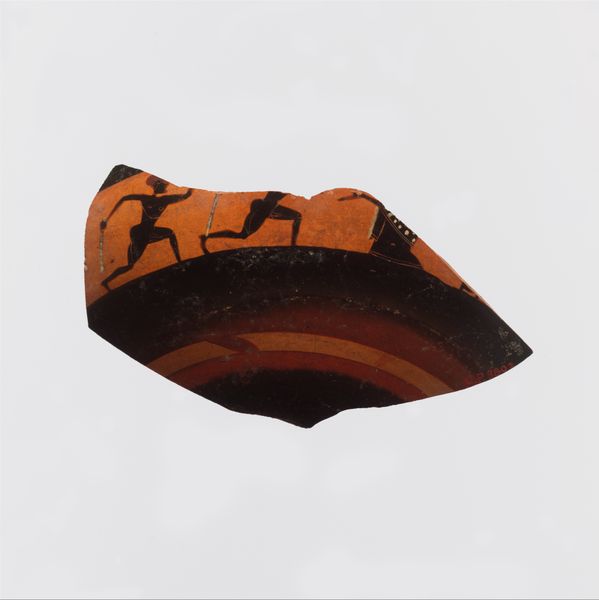
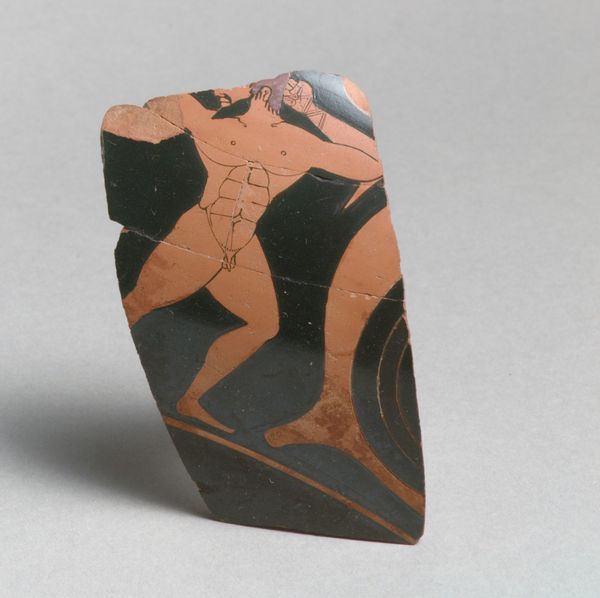
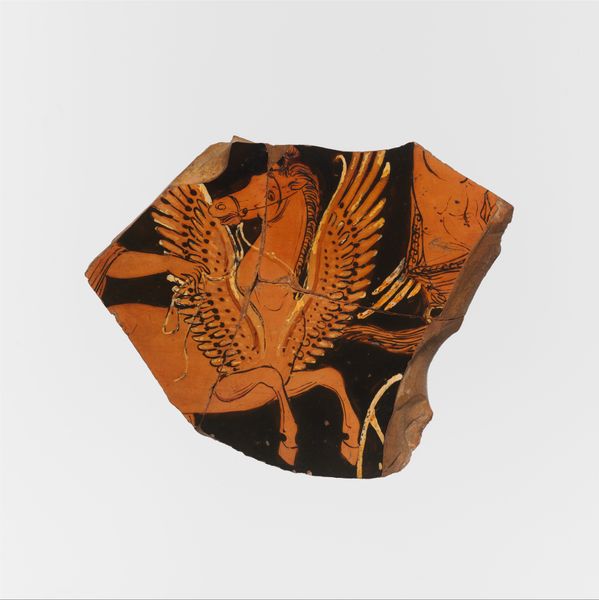
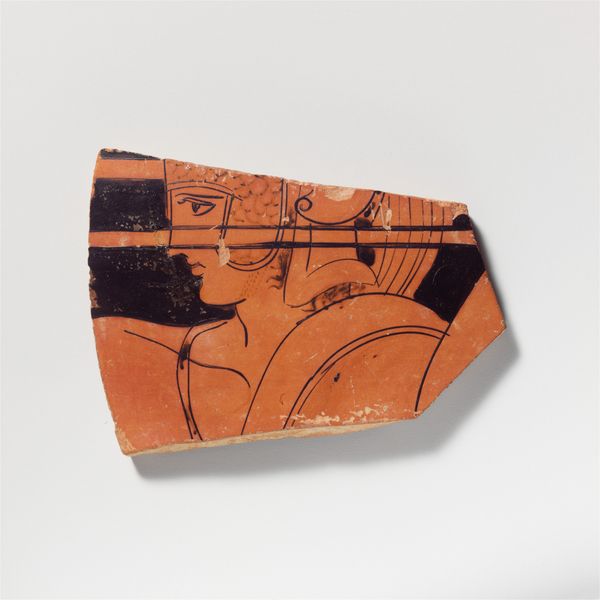
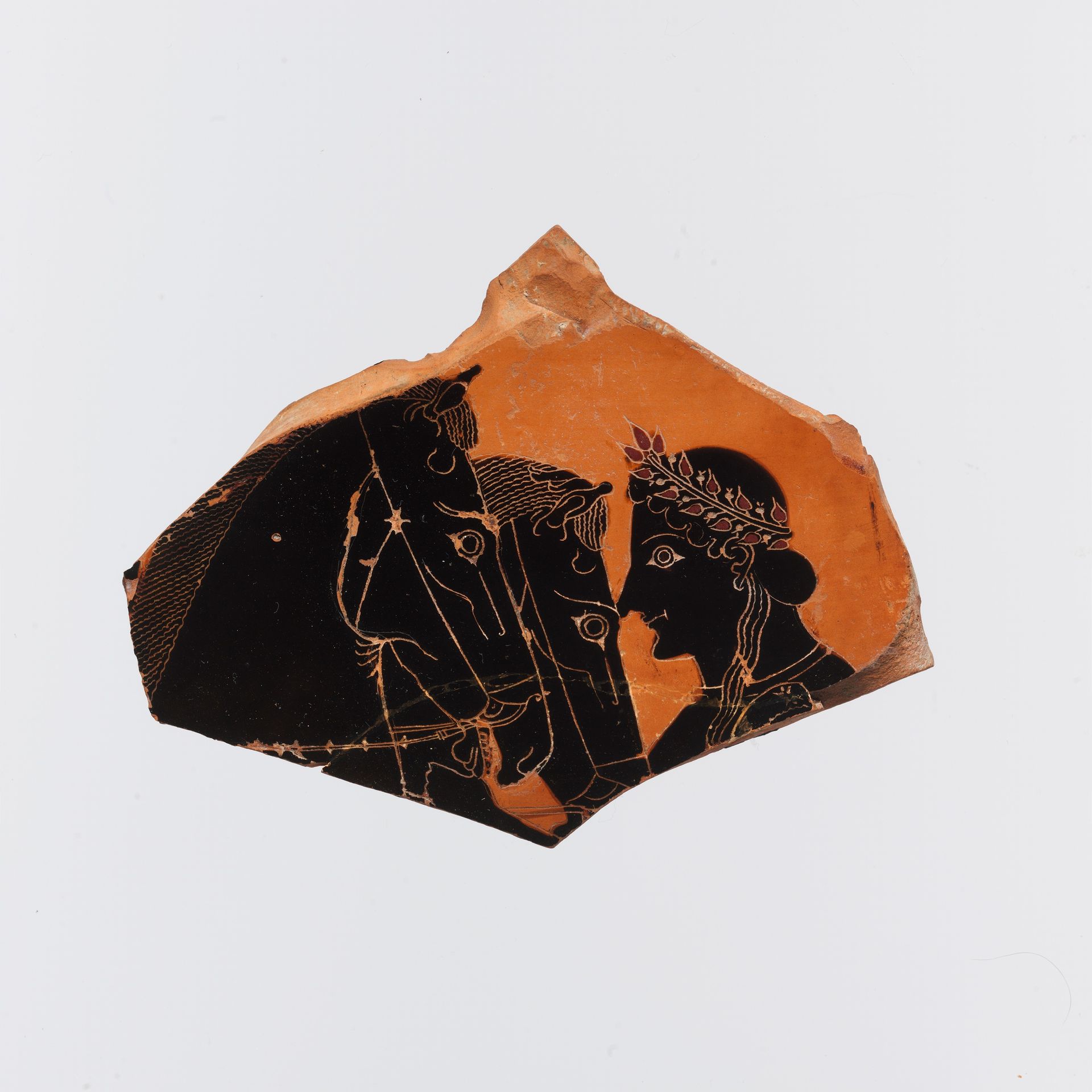
This fragment of a terracotta amphora was crafted by an anonymous artist in ancient Greece, using the distinctive red-figure technique. The imagery presents a male figure adorned with a wreath, standing beside two horses. This scene provides a glimpse into the values of ancient Greek society, where athletic competitions and equestrian skill were highly esteemed, celebrated in both public life and artistic representation. The amphora, as a vessel, suggests contexts of social gatherings, symposia, or even funerary rituals, where depictions of prowess and status served to reinforce social hierarchies. The creation and use of such vessels were deeply intertwined with the economic and social structures of the time. Further research into archaeological records, social histories, and iconographic studies can help us understand better how these artworks functioned within their original cultural context. The meaning of this fragment is contingent on these complex social and institutional settings.
Fragment of a terracotta amphora (jar) 540 BC


Artwork details
- Medium
- drawing, terracotta
- Dimensions
- Overall: 3 7/16 x 5 1/16in. (8.7 x 12.9cm)
- Location
- Metropolitan Museum of Art, New York, NY
- Copyright
- Public Domain
Tags
drawing
human-figures
sculpture
greek-and-roman-art
vase
figuration
ancient-mediterranean
horse
human
terracotta
miniature
Comments
No comments
About this artwork
This fragment of a terracotta amphora was crafted by an anonymous artist in ancient Greece, using the distinctive red-figure technique. The imagery presents a male figure adorned with a wreath, standing beside two horses. This scene provides a glimpse into the values of ancient Greek society, where athletic competitions and equestrian skill were highly esteemed, celebrated in both public life and artistic representation. The amphora, as a vessel, suggests contexts of social gatherings, symposia, or even funerary rituals, where depictions of prowess and status served to reinforce social hierarchies. The creation and use of such vessels were deeply intertwined with the economic and social structures of the time. Further research into archaeological records, social histories, and iconographic studies can help us understand better how these artworks functioned within their original cultural context. The meaning of this fragment is contingent on these complex social and institutional settings.
Comments
No comments