drawing, print, etching, ink
#
drawing
#
narrative-art
#
baroque
# print
#
etching
#
figuration
#
ink
#
line
#
genre-painting
#
italian-renaissance
Dimensions: height 275 mm, width 197 mm
Copyright: Rijks Museum: Open Domain
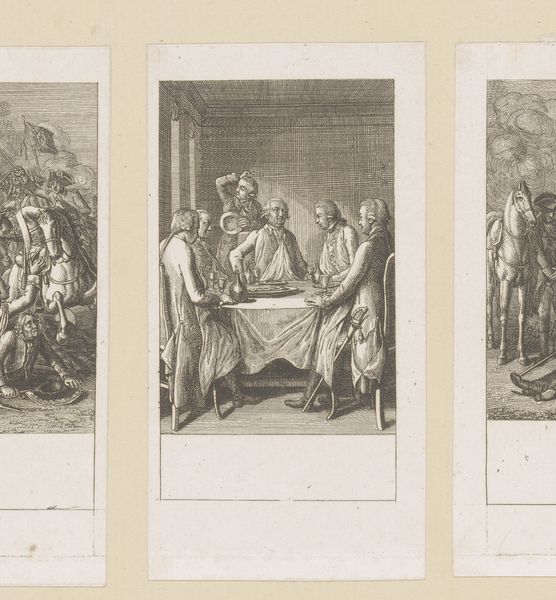
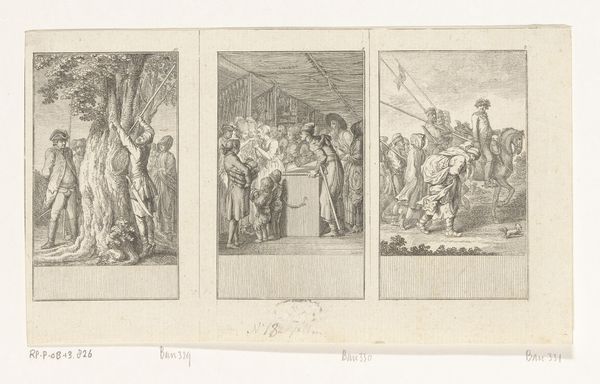
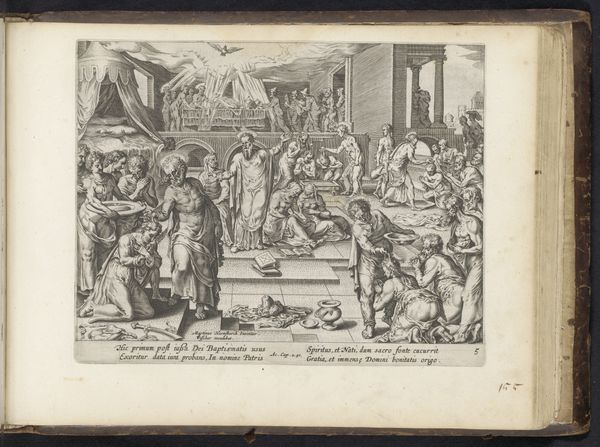
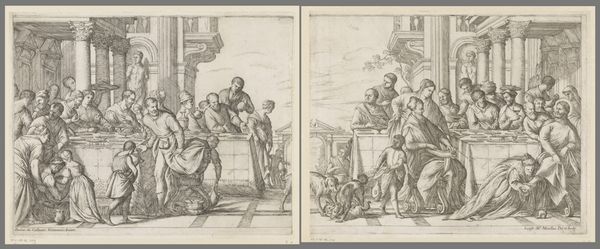
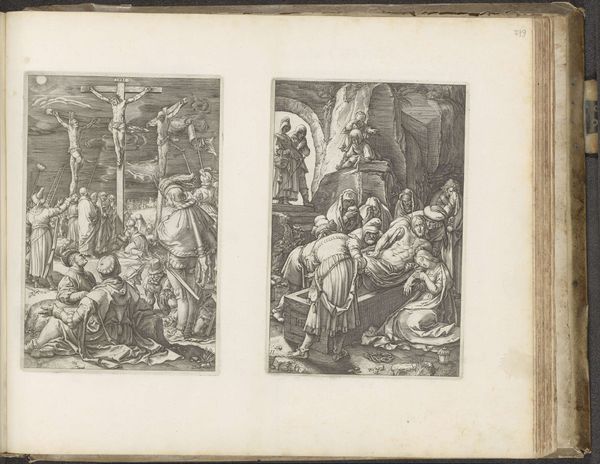
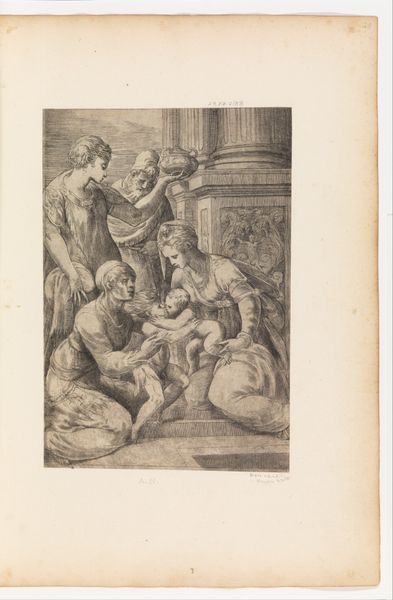
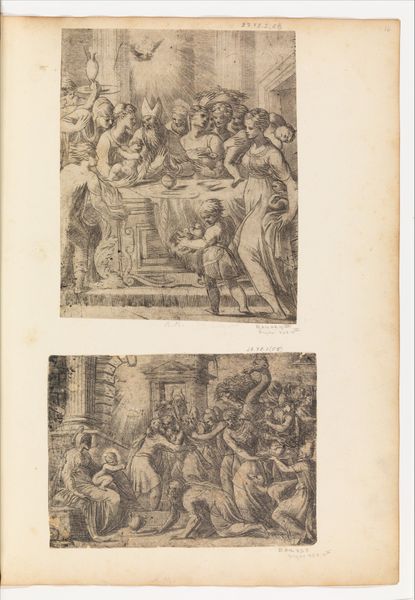
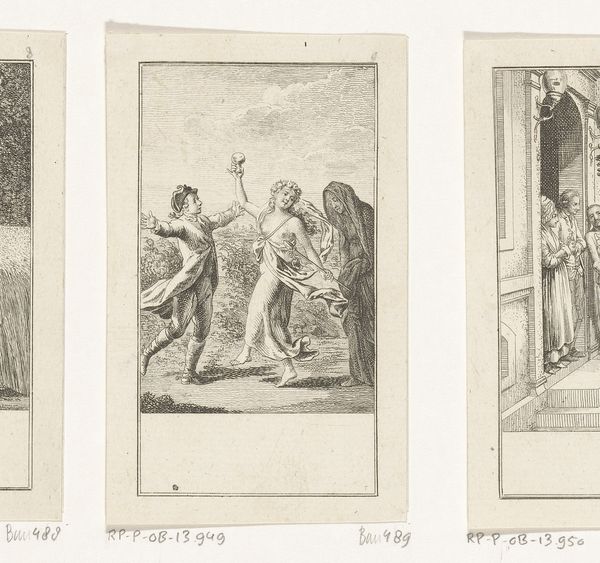
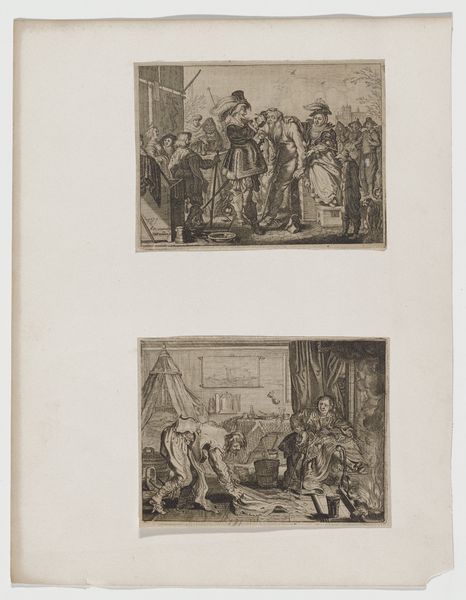
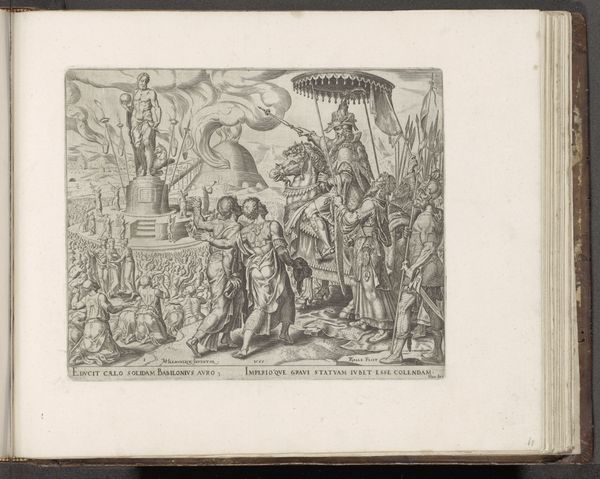
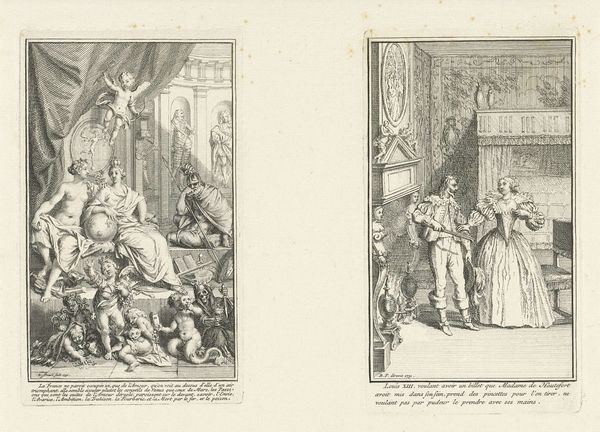
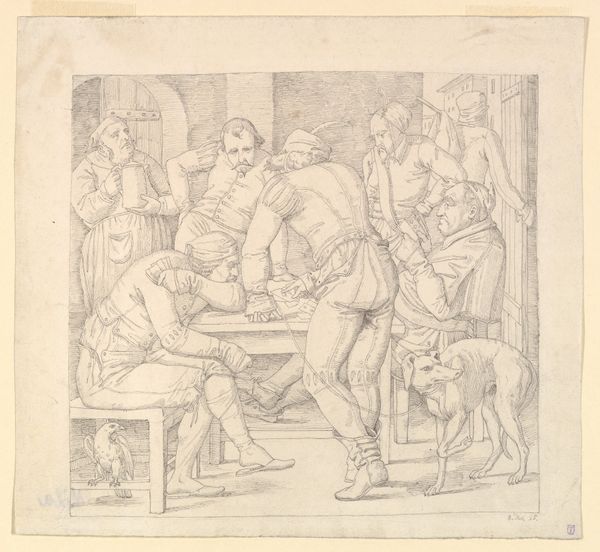
Curator: This print series, dating from around 1683, is titled “L’onorata vita del poltrone” by Giuseppe Maria Mitelli. It's currently housed at the Rijksmuseum. Each panel portrays a different scene, illustrating the daily life – or lack thereof – of a 'poltrone,' which loosely translates to 'loafer' or 'idler.' What springs to mind when you look at these etchings? Editor: Immediately, I see a sort of ironic beauty in its dedication to idleness. The detailed line work and the sheer quantity of these scenes devoted to *not working* hint at an intriguing tension between production and anti-production, labor and its absence. It begs the question, how complicit is the artist himself within a material culture? Curator: Exactly! I get the feeling that Mitelli is winking at us from across the centuries. Each etching shows our loafer finding new ways to shirk responsibility, surrounded by objects of comfort, suggesting a certain level of privilege afforded by the fruits of others' labor, and all depicted with incredible Baroque flair, almost celebrating indolence. Editor: It certainly points to the inherent contradictions in representing leisurely indulgence in what you could call the golden age of artisanal labor. Printmaking at this time was, in and of itself, deeply bound to capitalist logic. It required workshop collaboration, skill specialisation, production line processing, to become profitable. Mitelli shows not just an economic transaction but a very visible labor transaction between social groups in urban spaces. Curator: Mitelli's decision to use printmaking – an inherently reproducible and widely distributed medium – to showcase this lifestyle is what strikes me most. Was it perhaps a way to subtly critique the very system that allowed for such opulent laziness? A system dependent on labor and yet producing people who, shall we say, prefer to embrace a leisurely path, the material reality surrounding their 'labor-free' day, as it were. Editor: Precisely! The consumption facilitated by artisanal networks is depicted across the whole composition. A network which requires labor for those scenes to even exist as depictions. In a time where there was much less disposable material goods, there must have been a lot more societal value in showing how luxury, in some contexts, is a labor product of itself. I guess that gives these baroque people in those spaces more of an impact to viewers now. Curator: I never quite thought about that point, the weight these themes in artwork may carry, after some centuries have passed! These scenes really seem less about pure satire, and more a reflection of societal values. Thank you. Editor: Thanks for shedding light into this overlooked commentary on labor itself!
Comments
No comments
Be the first to comment and join the conversation on the ultimate creative platform.
 Collect
 React
React Comment
More like this