1893 - 1894
Trampaarden

George Hendrik Breitner
1857 - 1923Location
RijksmuseumListen to curator's interpretation
Curatorial notes
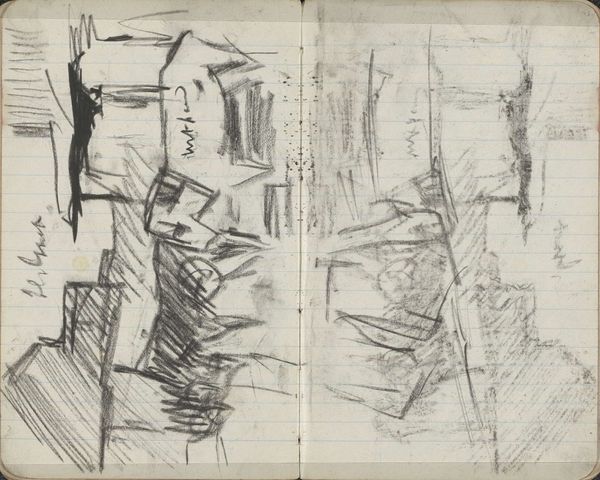
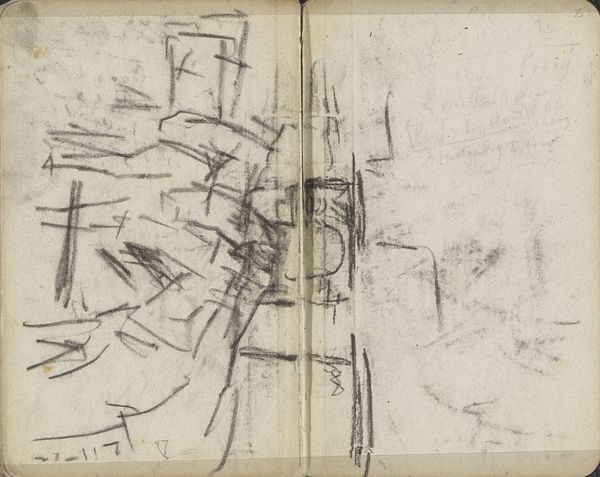
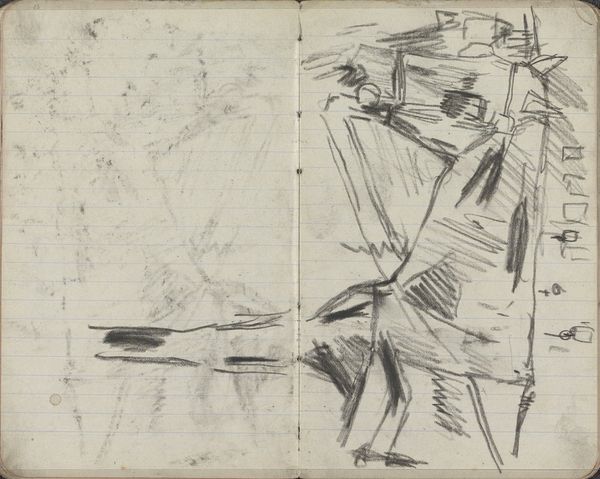
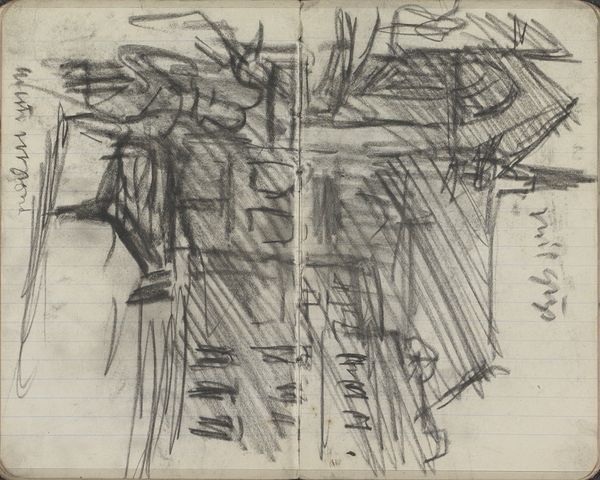
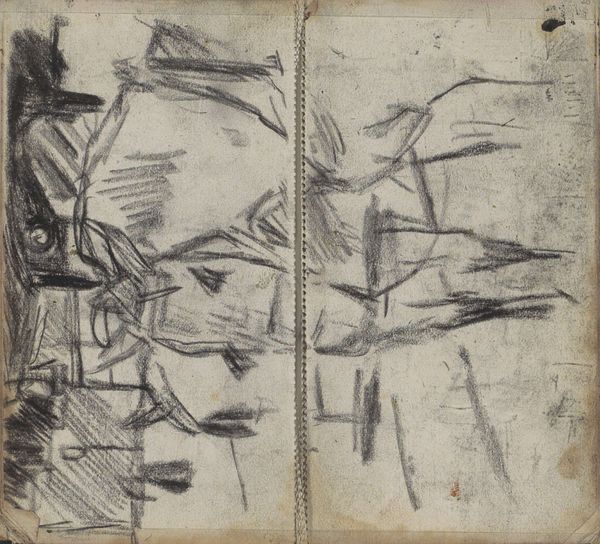
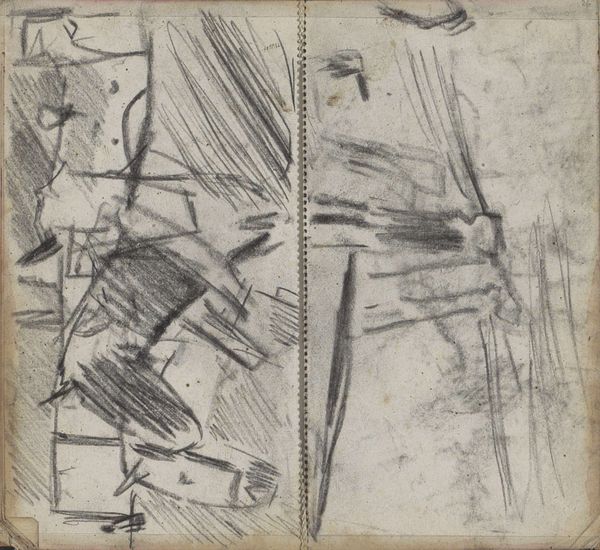
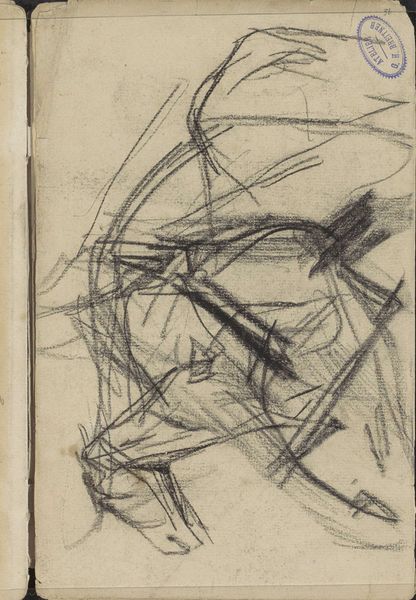
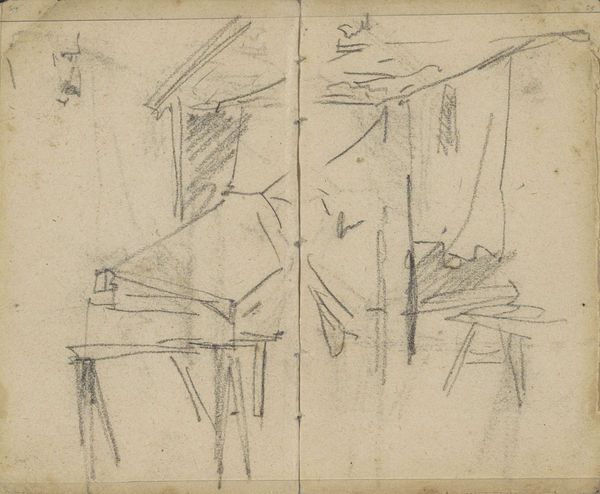
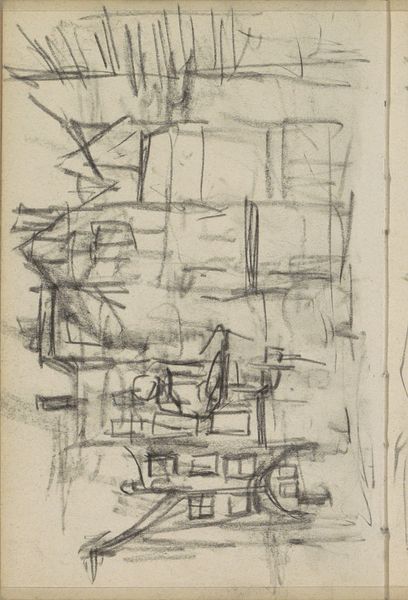
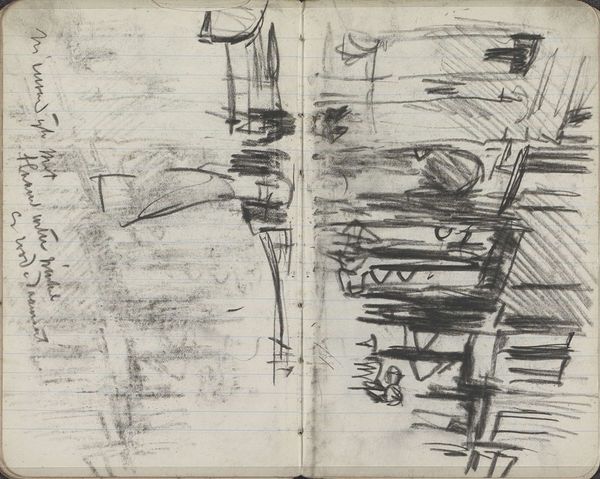
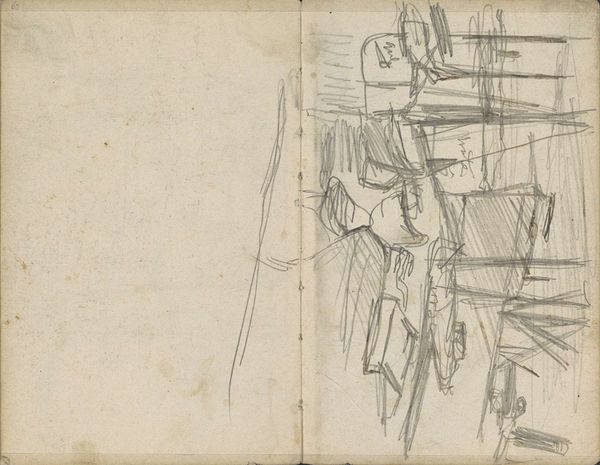
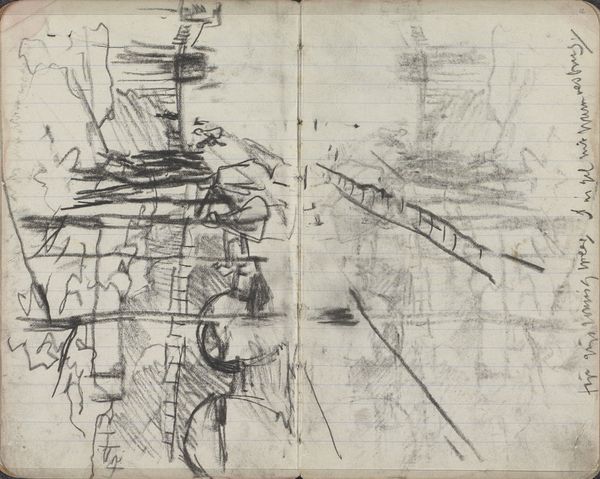
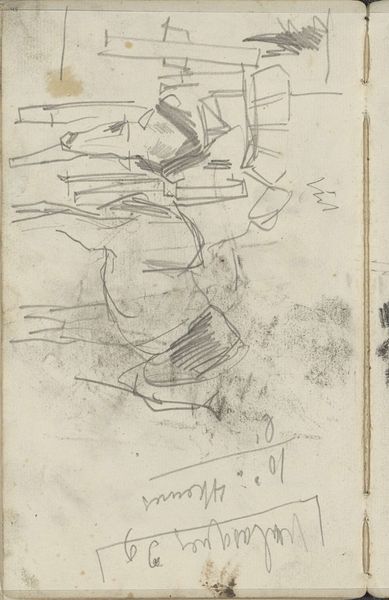
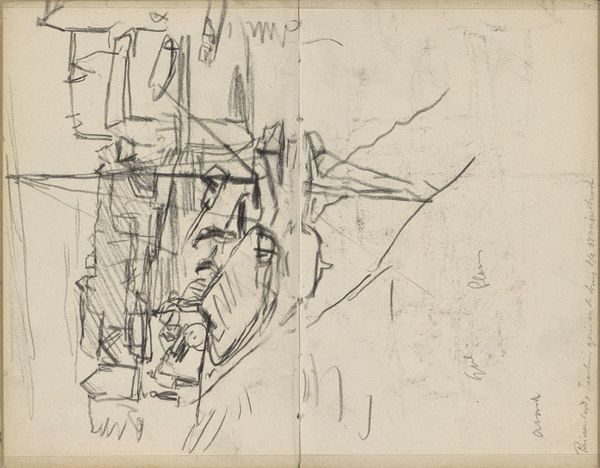
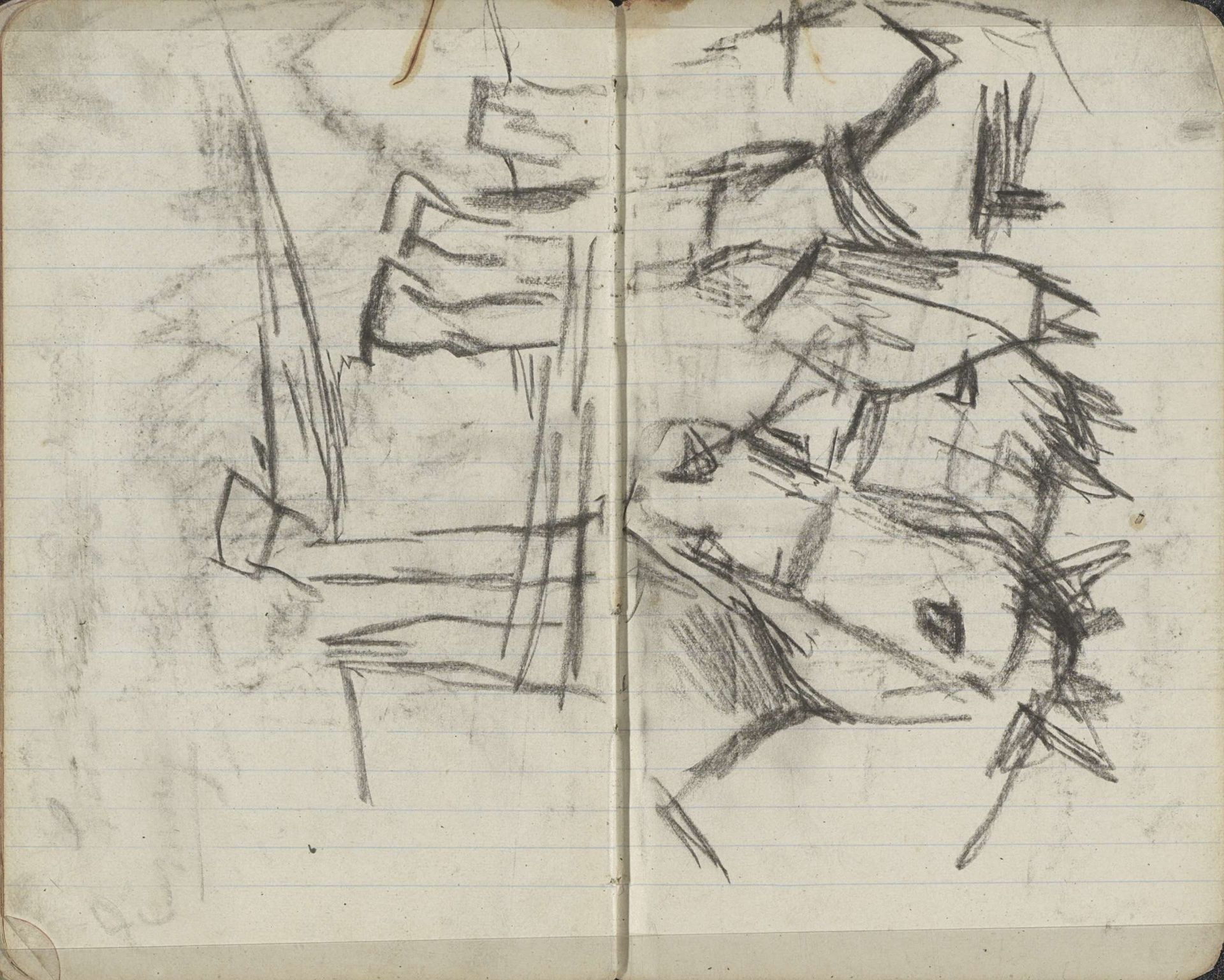
George Hendrik Breitner made this sketch of tram horses with charcoal on paper. Breitner lived and worked in Amsterdam, and in this city view he captured the dynamism of modern urban life. His impressionistic style emphasizes movement and immediacy rather than detail and finish. The tram horses that Breitner sketched were essential to the infrastructure of the modernizing city. As a trained academic painter, Breitner went against the grain of the Dutch art establishment by embracing impressionism. His choice of working-class subjects reflects a progressive social consciousness. The portrayal of laboring animals also echoes wider debates around animal rights that were emerging at this time. To understand Breitner, we can look at the popular illustrated press of the time. His images resonate with the rise of photojournalism and the aesthetics of the everyday. Historical context and social consciousness are vital to the understanding of art.