1630 - 1641
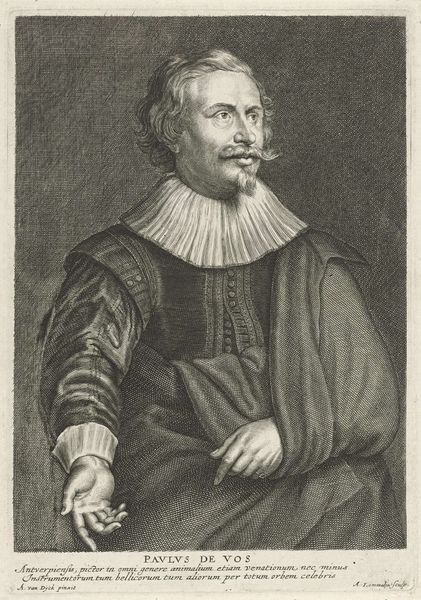
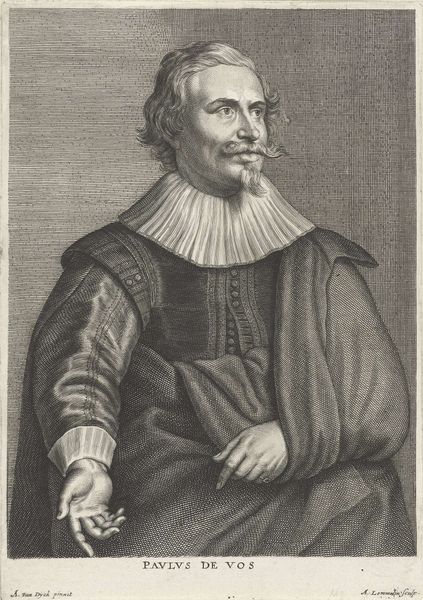
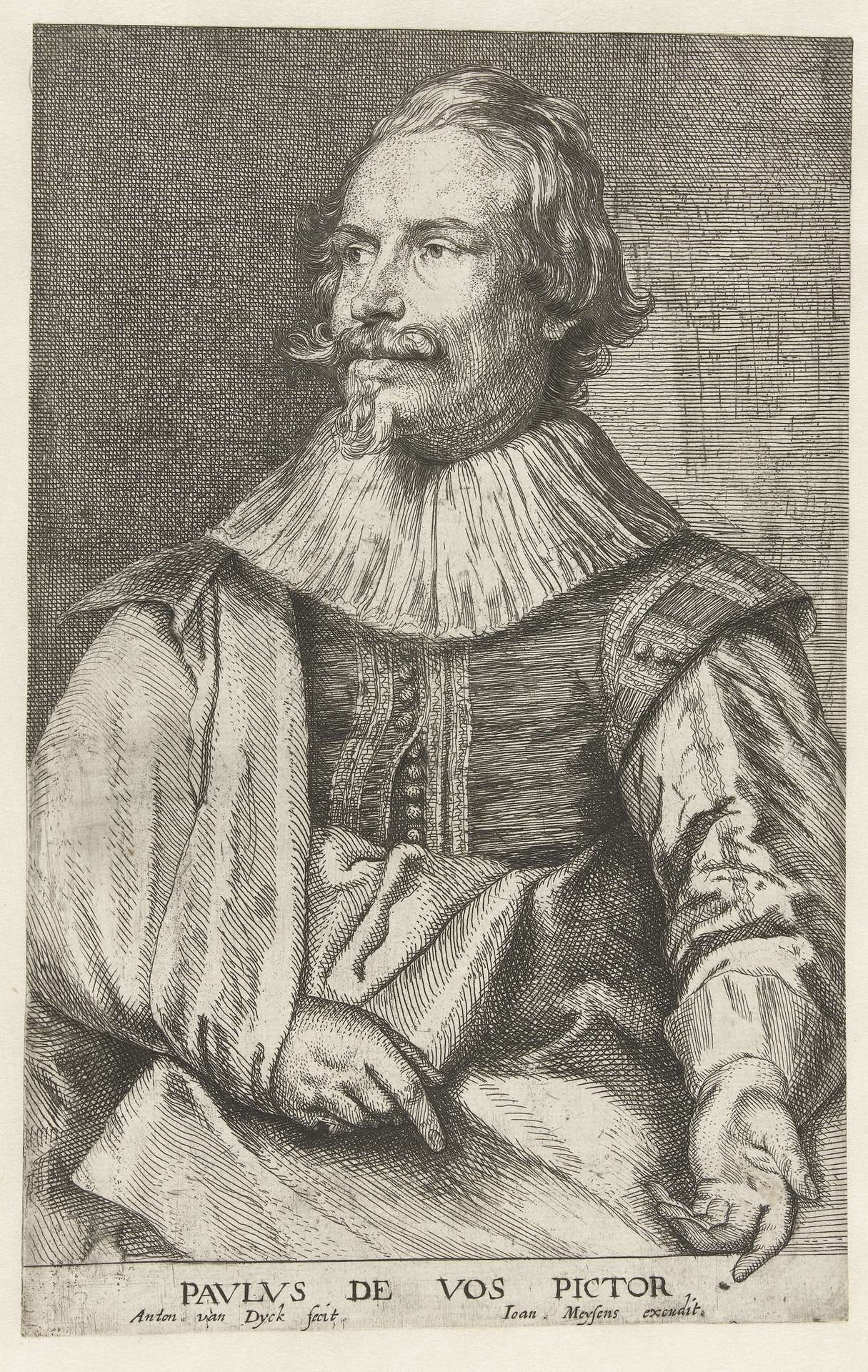
Portret van Paul de Vos

Anthony van Dyck
1599 - 1641Location
RijksmuseumListen to curator's interpretation
Curatorial notes
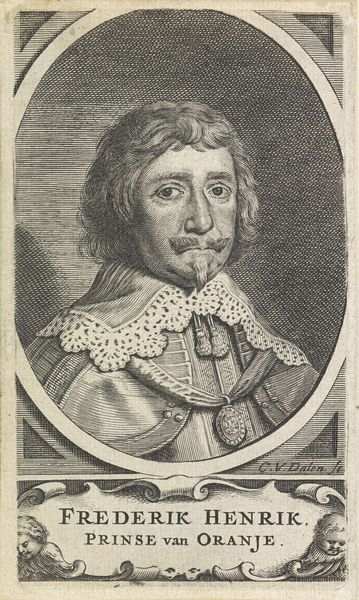
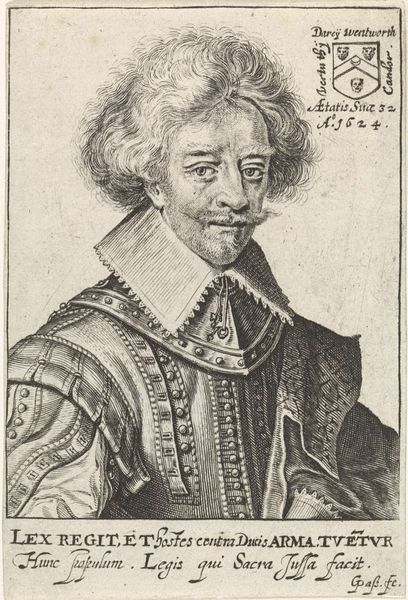
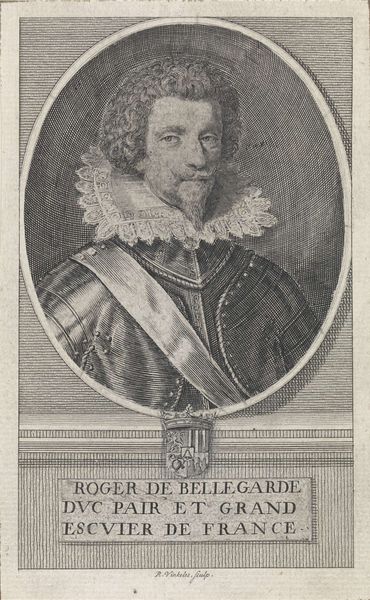
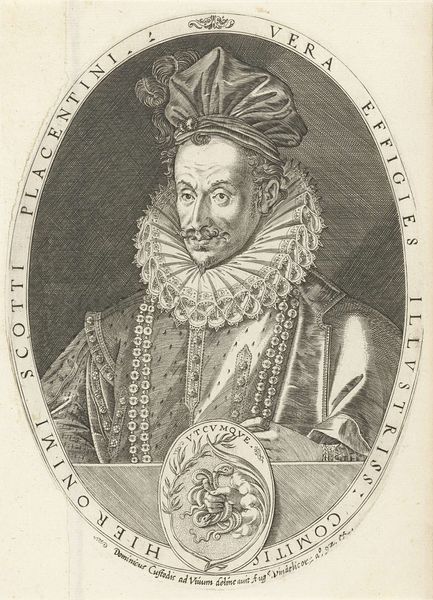
This engraving, found in the Rijksmuseum, is Anthony van Dyck's portrait of Paul de Vos. This image highlights the complex interplay between artistic creation, social status, and institutional recognition in the 17th-century Netherlands. Van Dyck, a leading painter of the Flemish Baroque, captures de Vos, also a painter, with remarkable detail. Notice the sharp lines and meticulous rendering of textures, indicative of the period's artistic style. The portrait creates meaning through its visual codes, such as the sitter's clothing, which reflects de Vos's social standing as a respected artist. This engraving wasn't merely a depiction, but a statement about the cultural value of art and the role of artists in society. Researching the archives of the art academies and guilds of the time can reveal more about the artistic networks and the social conditions that shaped artistic production. The meaning of this artwork is contingent on its social and institutional context, something that as historians we can reveal.