1670 - 1713
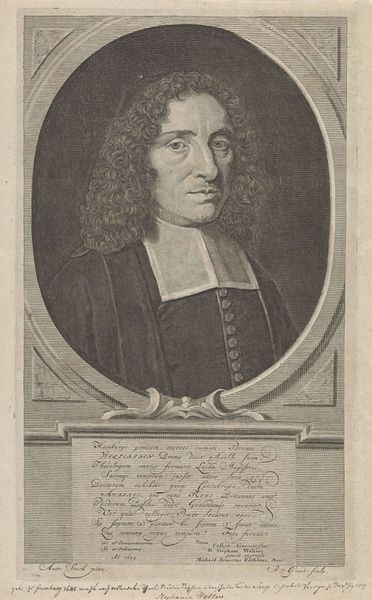
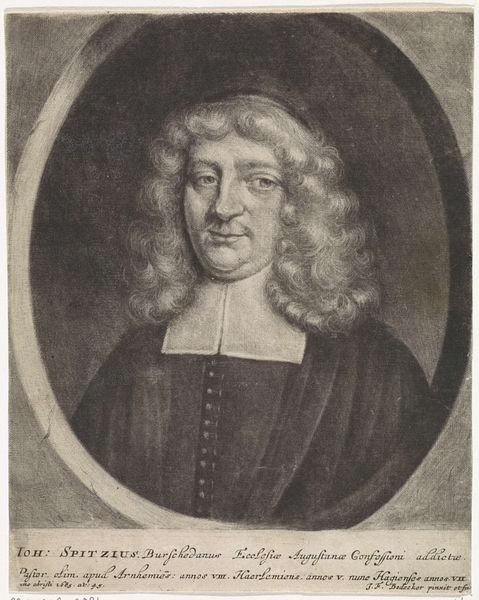
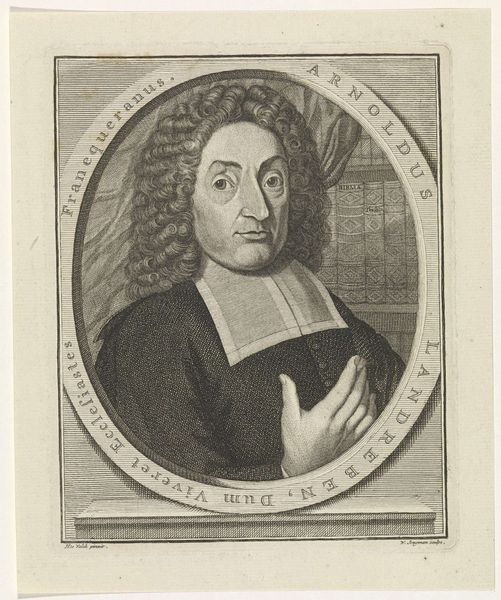
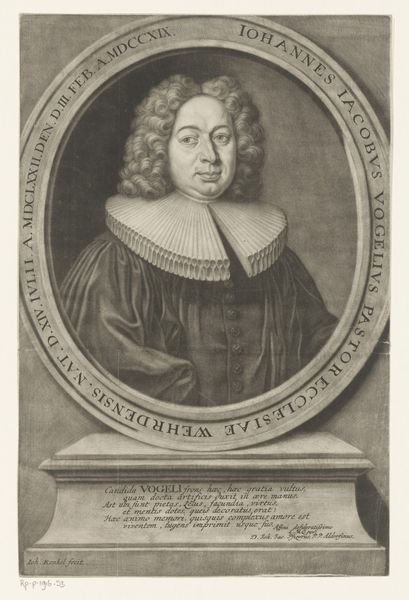
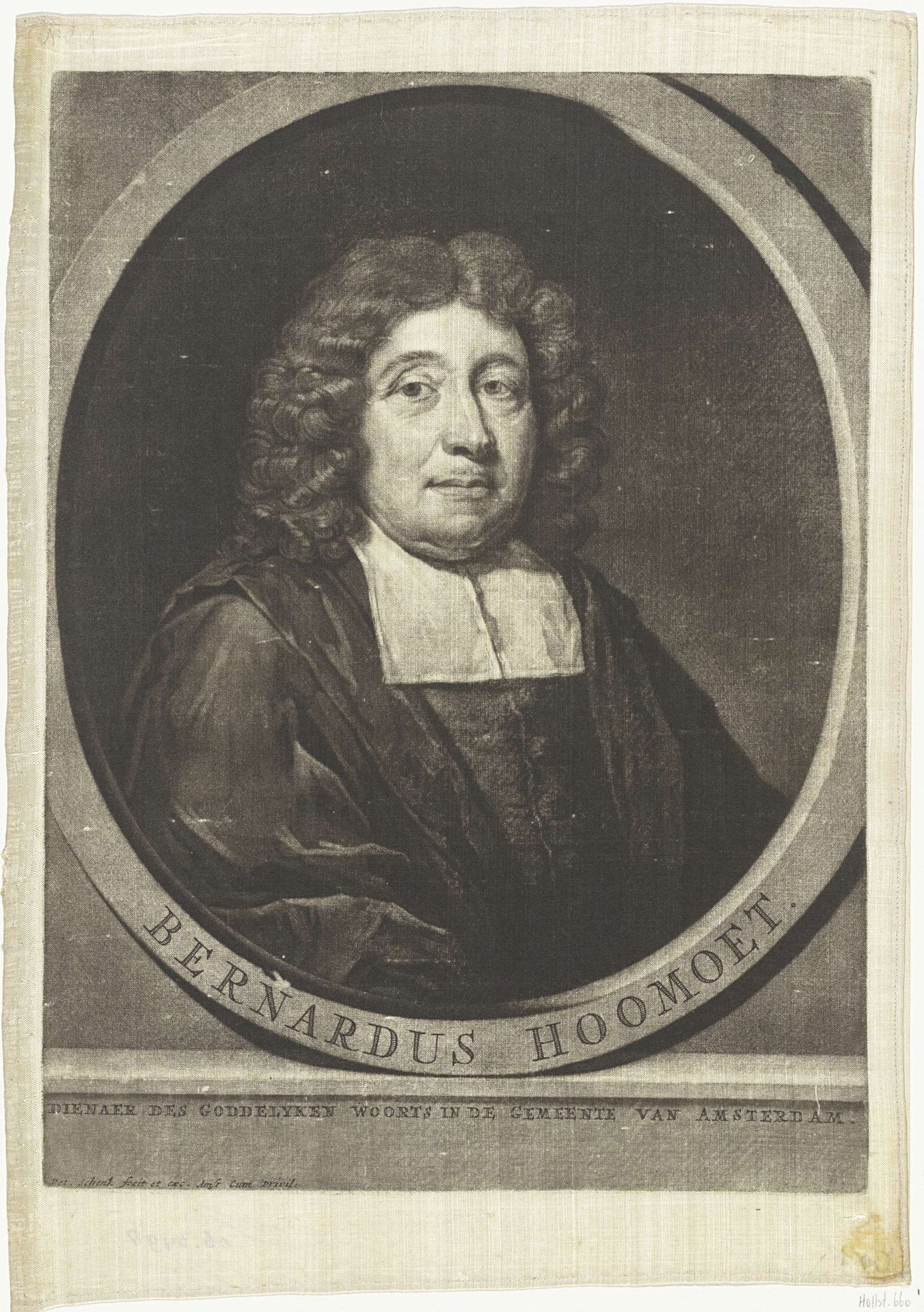
Portret van Bernardus Homoet

Pieter Schenk
1660 - 1711Location
RijksmuseumListen to curator's interpretation
Curatorial notes
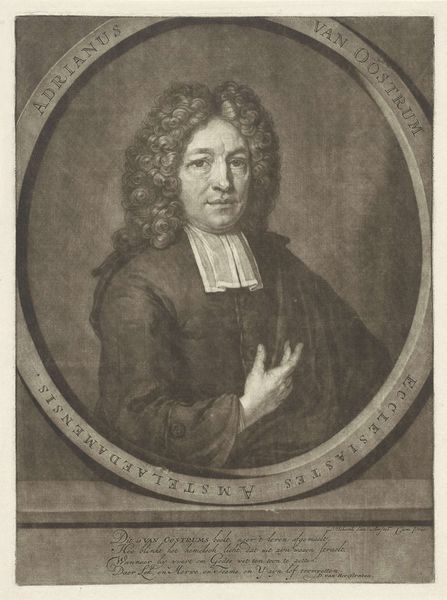
Pieter Schenk’s portrait of Bernardus Homoet was made with etching and engraving sometime between 1670 and 1711. We see Homoet, a clergyman in Amsterdam, framed in an oval that is inscribed with his name. The inscription below tells us Homoet is someone who ‘lives godly’ in Amsterdam. In the Dutch Republic of this time, the church was a central institution. Clergymen like Homoet held considerable social and cultural power. The Dutch Reformed Church was the dominant religion, shaping moral and social values, while Amsterdam was a hub of trade and religious diversity. Schenk's portrait is therefore an artifact of the Protestant Reformation, in which control of religious imagery shifted away from Rome and towards local authorities. Through attention to portraits like this, and documentary evidence about the Dutch Reformed Church, we can better understand the social structures of the time.