About this artwork
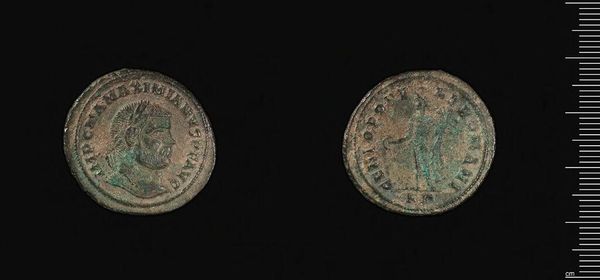
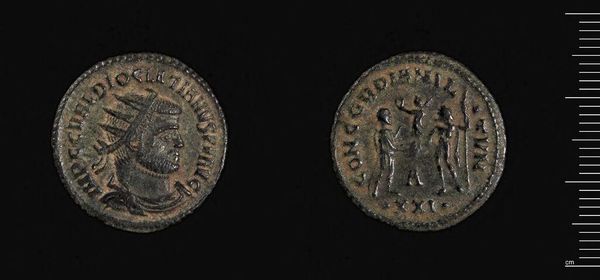
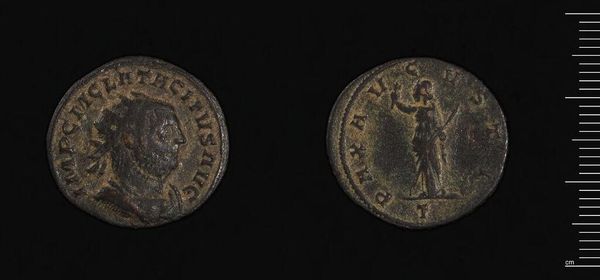
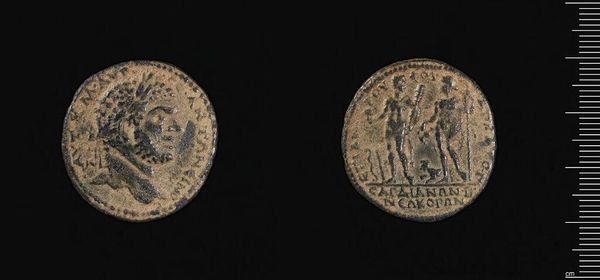
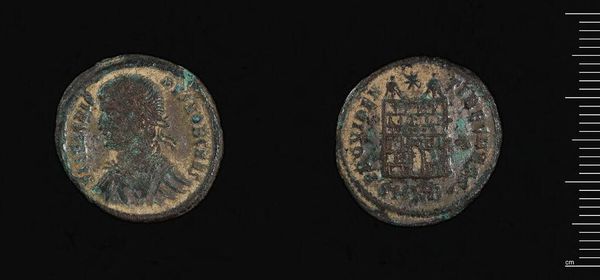
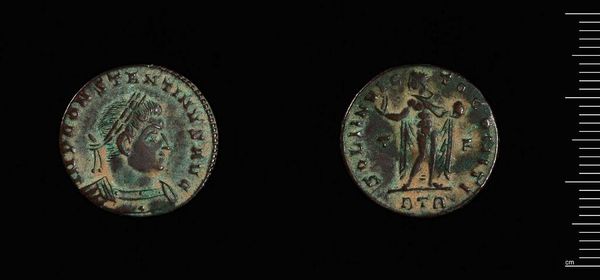
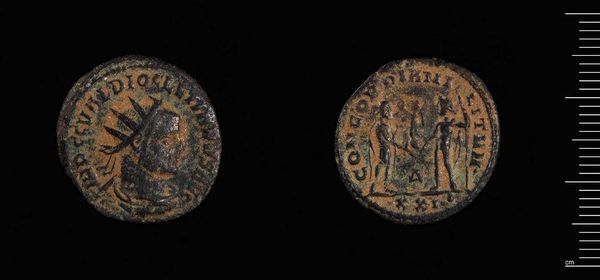
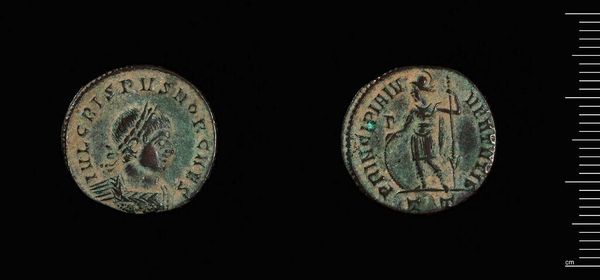
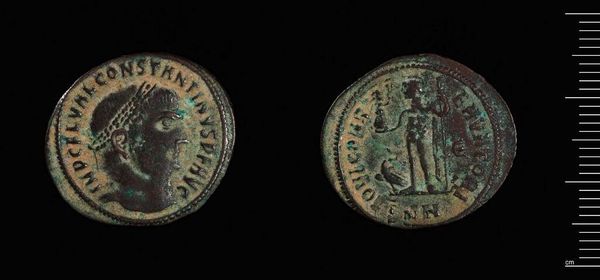
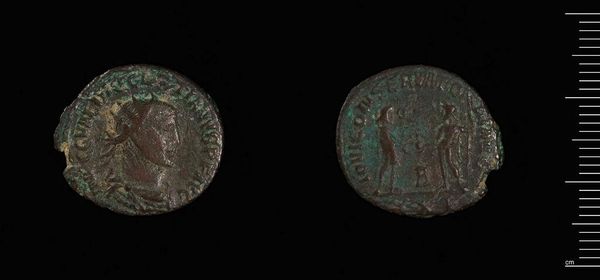
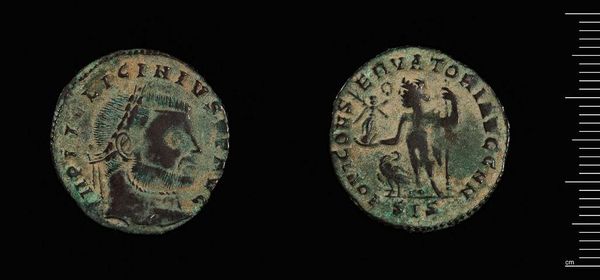
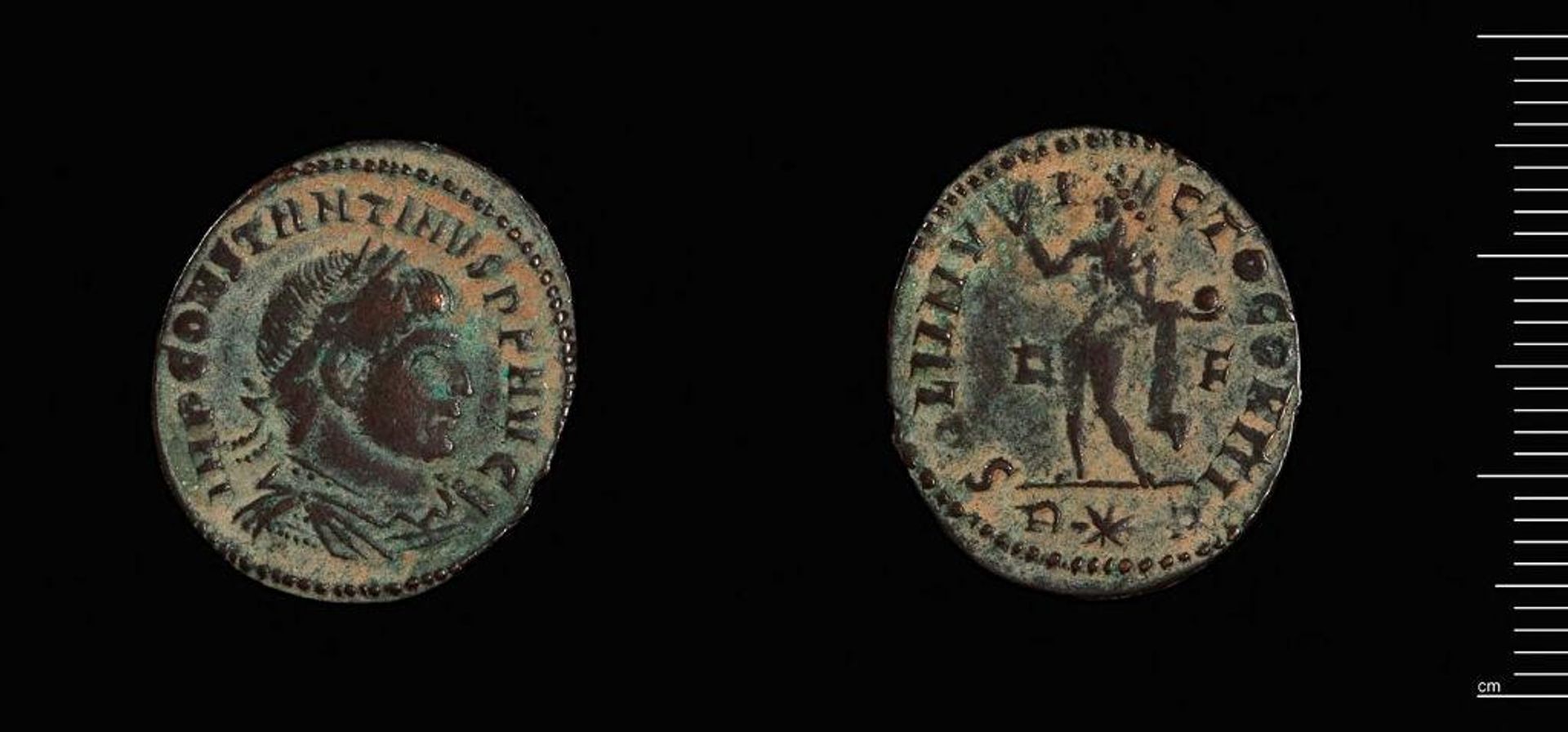
Curator: Let's discuss this bronze follis of Constantine I, minted in Rome. The portrait is quite striking. Editor: I’m immediately drawn to the visible wear; you can see how generations interacted with it. It speaks volumes about circulation and use. Curator: Absolutely. These coins were not just currency; they were propaganda. The emperor's image, the inscriptions—all carefully crafted to project power and legitimacy. Editor: And the materiality matters too. Bronze, a readily available metal, democratized the image of the emperor, placing it directly into the hands of the people. It’s a tangible connection. Curator: Indeed. Minting and distribution were crucial for maintaining control across the vast Roman Empire. Editor: Studying the coin production could teach us about the social fabric of the time; the hands involved in crafting this image. Curator: Thinking about this coin, it really makes you think about the role of imagery in shaping political narratives throughout history. Editor: For me, it is the constant, repeated physical engagement that echoes—a conversation with the past conducted through touch.
Follis of Constantine I, Rome
314

Artwork details
- Dimensions
- 2.72 g
- Location
- Harvard Art Museums
- Copyright
- CC0 1.0
Comments
Be the first to share your thoughts about this work.
About this artwork
Curator: Let's discuss this bronze follis of Constantine I, minted in Rome. The portrait is quite striking. Editor: I’m immediately drawn to the visible wear; you can see how generations interacted with it. It speaks volumes about circulation and use. Curator: Absolutely. These coins were not just currency; they were propaganda. The emperor's image, the inscriptions—all carefully crafted to project power and legitimacy. Editor: And the materiality matters too. Bronze, a readily available metal, democratized the image of the emperor, placing it directly into the hands of the people. It’s a tangible connection. Curator: Indeed. Minting and distribution were crucial for maintaining control across the vast Roman Empire. Editor: Studying the coin production could teach us about the social fabric of the time; the hands involved in crafting this image. Curator: Thinking about this coin, it really makes you think about the role of imagery in shaping political narratives throughout history. Editor: For me, it is the constant, repeated physical engagement that echoes—a conversation with the past conducted through touch.
Comments
Be the first to share your thoughts about this work.