About this artwork
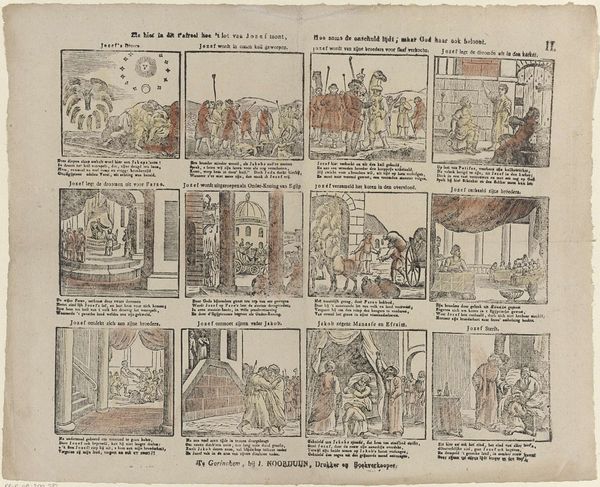
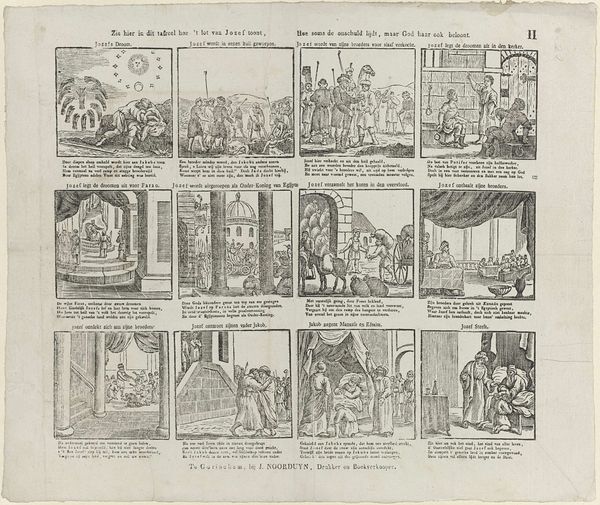
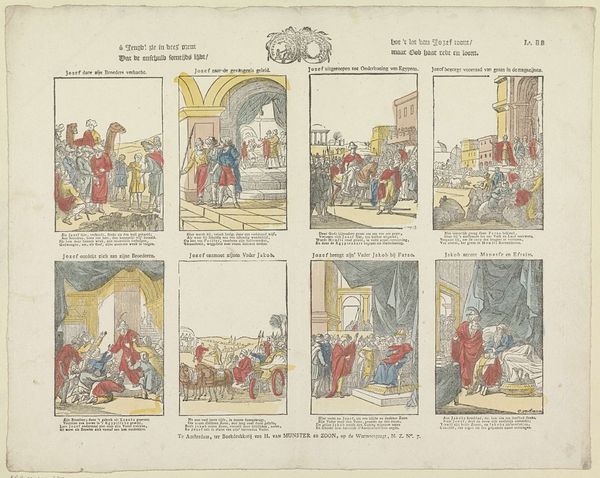
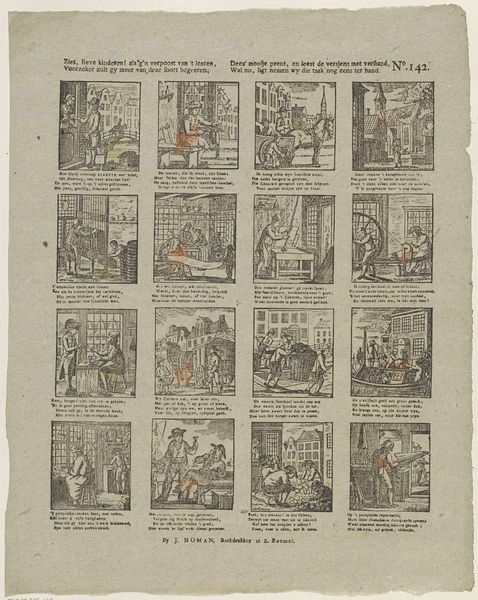
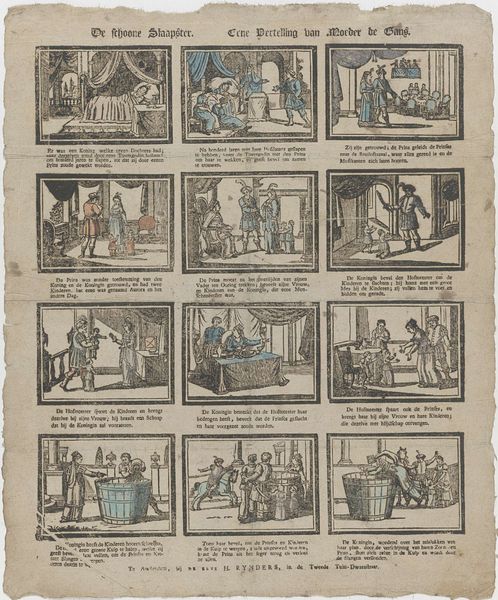
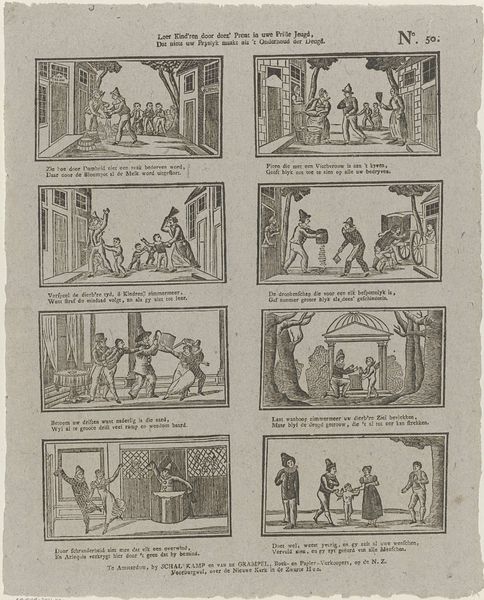
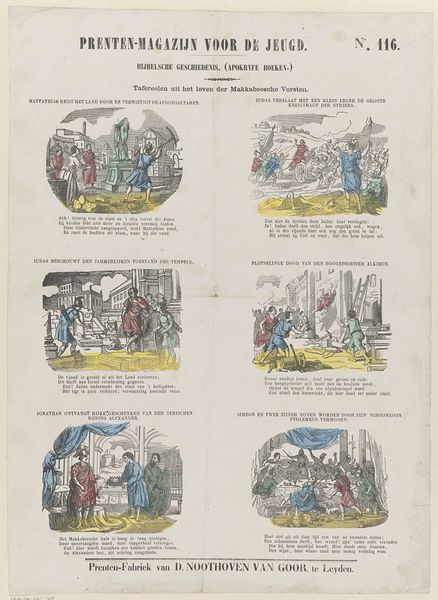
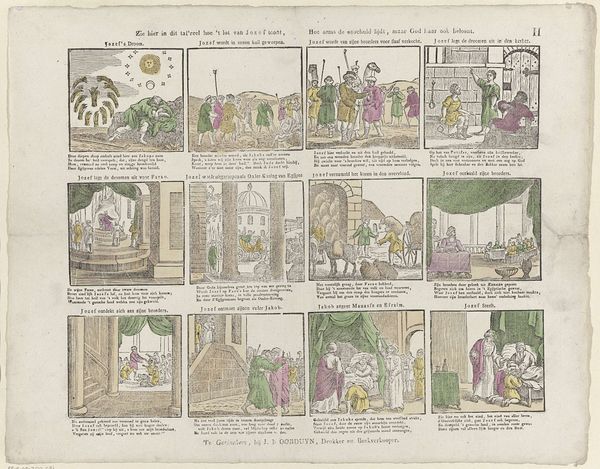
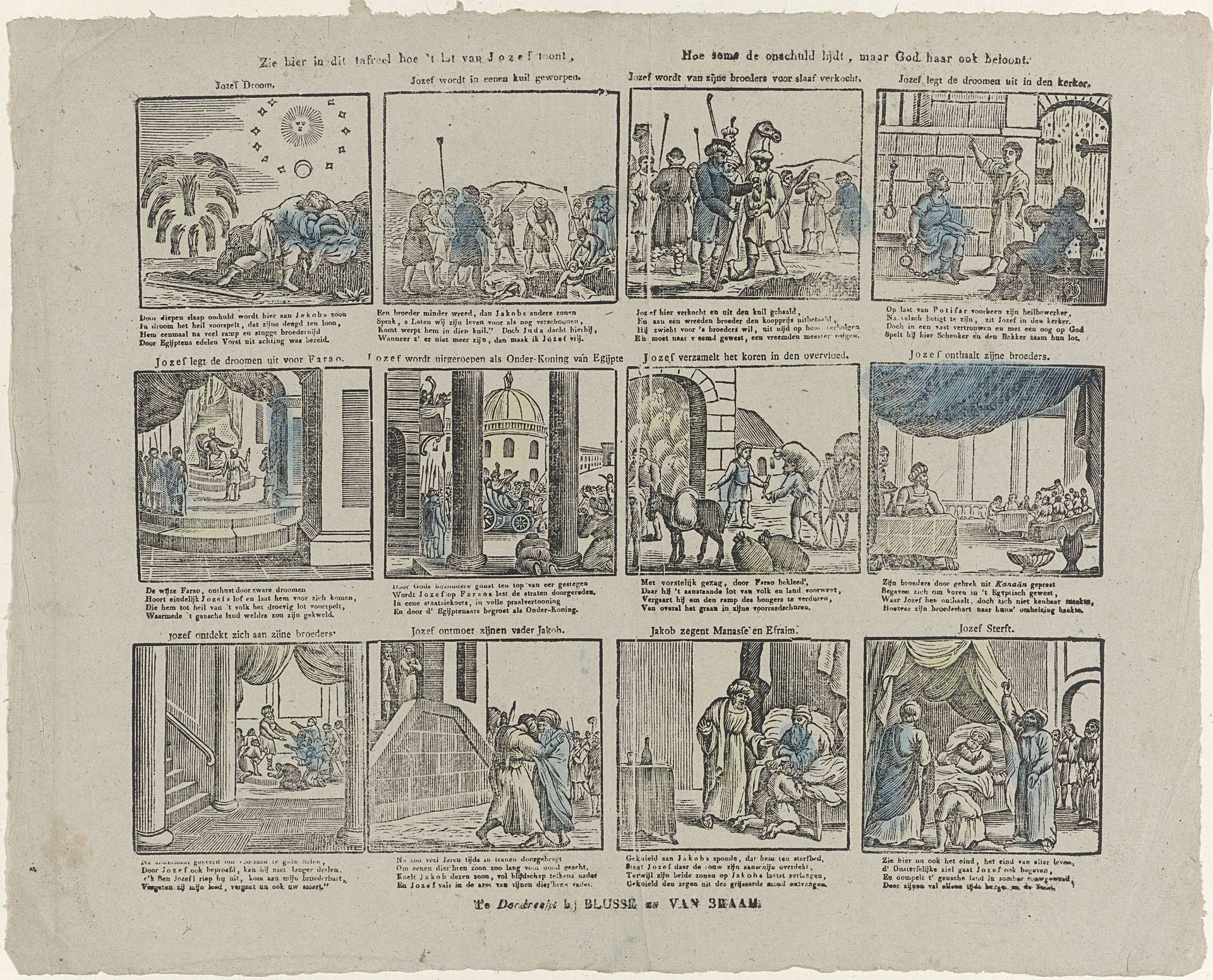
This print, made by Alexander Cranendoncq, presents scenes from the story of Joseph. Note how the narrative unfolds through sequential images, a format reminiscent of ancient Roman friezes or medieval illuminated manuscripts. Consider the symbol of the dream, prominent in the first panel. Dreams, across cultures, are seen as conduits to the divine, revealing hidden truths or foreshadowing the future. We see this motif echoed in Pharaonic Egypt, where dreams dictated policy, and later in Freudian psychoanalysis, as a window into the unconscious. The betrayal by Joseph’s brothers is striking; observe the recurring motif of sibling rivalry. From Cain and Abel to Romulus and Remus, this theme echoes through time, revealing deep-seated anxieties about power, legacy, and identity. The gestures, the expressions—they tap into primal fears and desires, engaging our subconscious on a profound level. This cyclical progression of symbols underscores the enduring power of these narratives, resurfacing and evolving, as they reflect humanity's timeless struggles and aspirations.
Zie hier in dit tafreel hoe 't lot van Jozef toont, / Hoe soms de onschuld lijdt, maar God haar ook betoont
1850 - 1885

Alexander Cranendoncq
1799 - 1869Location
RijksmuseumArtwork details
- Medium
- print, engraving
- Dimensions
- height 329 mm, width 410 mm
- Location
- Rijksmuseum
- Copyright
- Rijks Museum: Open Domain
Tags
Comments
Share your thoughts
About this artwork
This print, made by Alexander Cranendoncq, presents scenes from the story of Joseph. Note how the narrative unfolds through sequential images, a format reminiscent of ancient Roman friezes or medieval illuminated manuscripts. Consider the symbol of the dream, prominent in the first panel. Dreams, across cultures, are seen as conduits to the divine, revealing hidden truths or foreshadowing the future. We see this motif echoed in Pharaonic Egypt, where dreams dictated policy, and later in Freudian psychoanalysis, as a window into the unconscious. The betrayal by Joseph’s brothers is striking; observe the recurring motif of sibling rivalry. From Cain and Abel to Romulus and Remus, this theme echoes through time, revealing deep-seated anxieties about power, legacy, and identity. The gestures, the expressions—they tap into primal fears and desires, engaging our subconscious on a profound level. This cyclical progression of symbols underscores the enduring power of these narratives, resurfacing and evolving, as they reflect humanity's timeless struggles and aspirations.
Comments
Share your thoughts