1877 - 1897
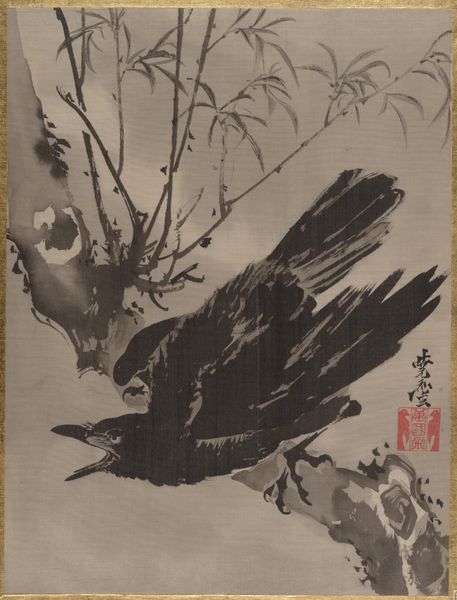
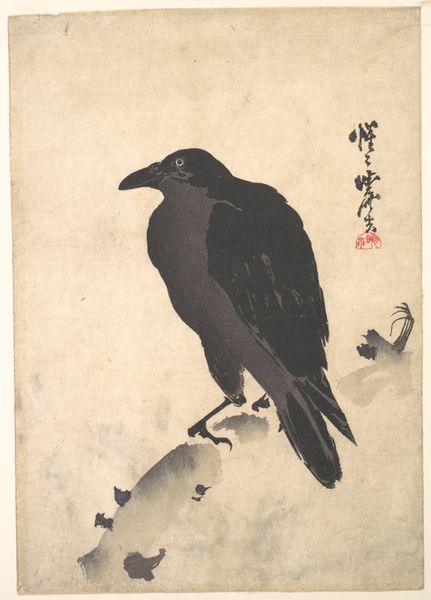
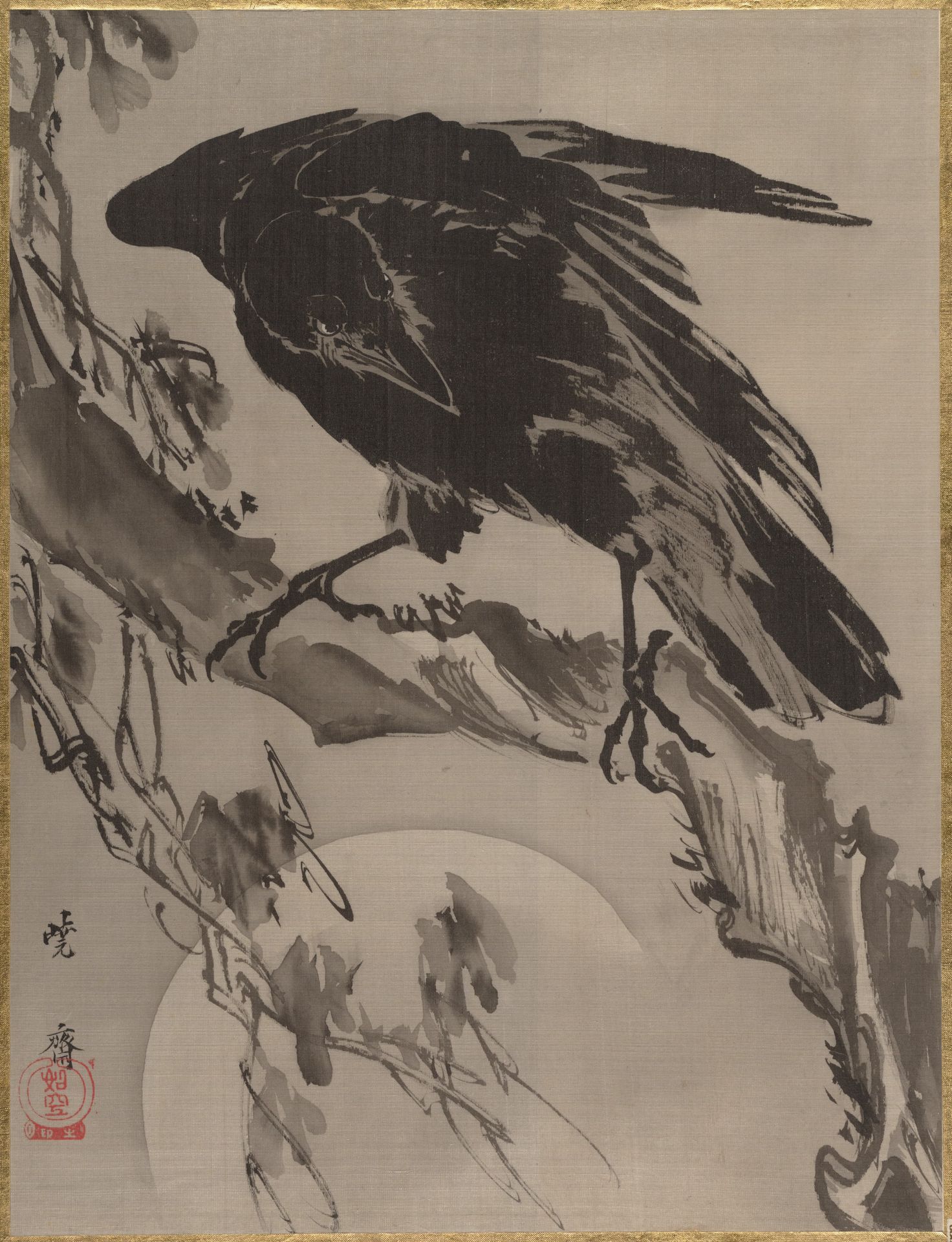
Crow and the Moon

Kawanabe Kyōsai 河鍋暁斎
1831 - 1889
The Metropolitan Museum of Art
Metropolitan Museum of Art, New York, NYListen to curator's interpretation
Curatorial notes
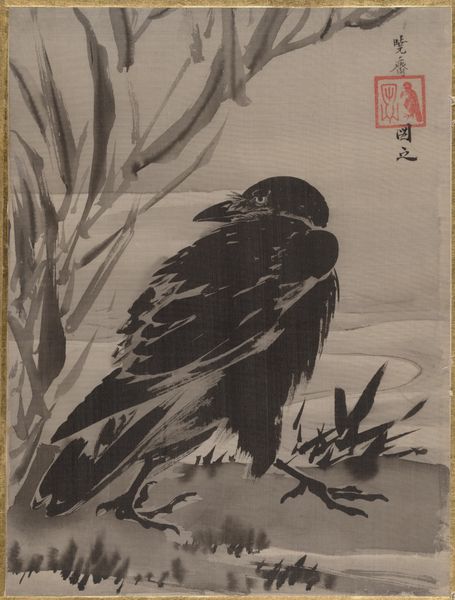
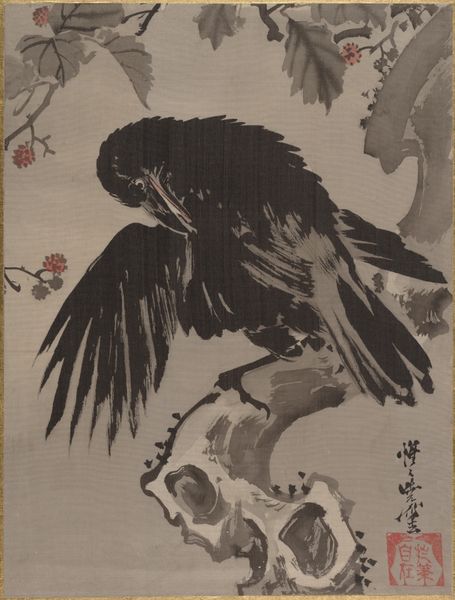
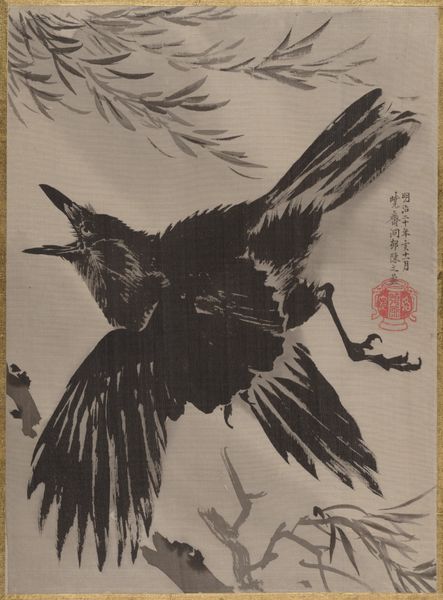
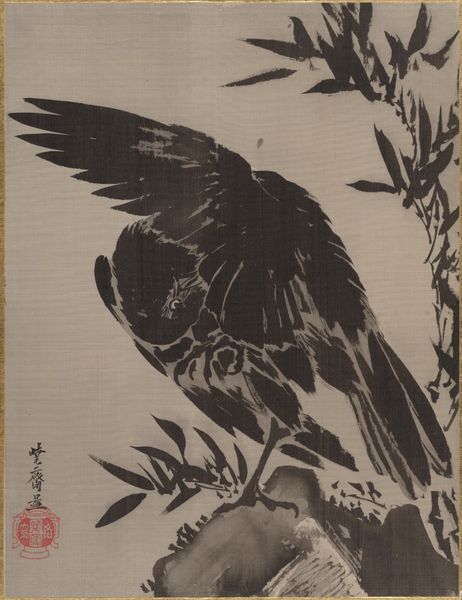
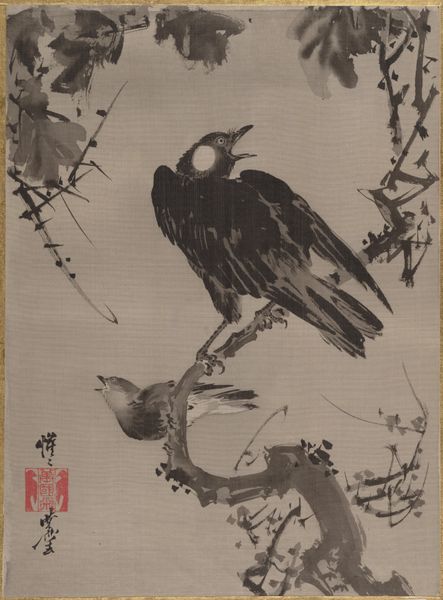
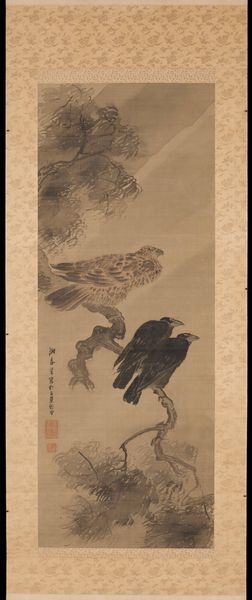
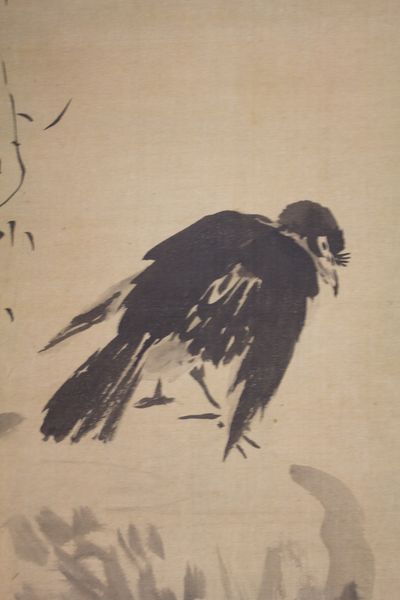
Kawanabe Kyōsai painted “Crow and the Moon” in ink on paper, capturing a profound stillness. The crow, rendered with bold strokes, is perched on a branch before a softly glowing moon, a symbol steeped in diverse meanings across cultures. Here, the moon, often tied to cycles of life and renewal, contrasts with the crow, a creature frequently associated with death or ill omen. Yet, in Japanese folklore, the crow can also be a divine messenger. Think of its recurrence in Western art too, from ominous portents to the bird in Poe’s “Raven.” The stark black of the crow against the pale moon evokes a deep, primal unease. It speaks to the subconscious, stirring emotions tied to our mortality. The image taps into a shared human experience of confronting darkness, both literal and metaphorical. It's a potent, cyclical emblem, forever shifting, forever present.