About this artwork
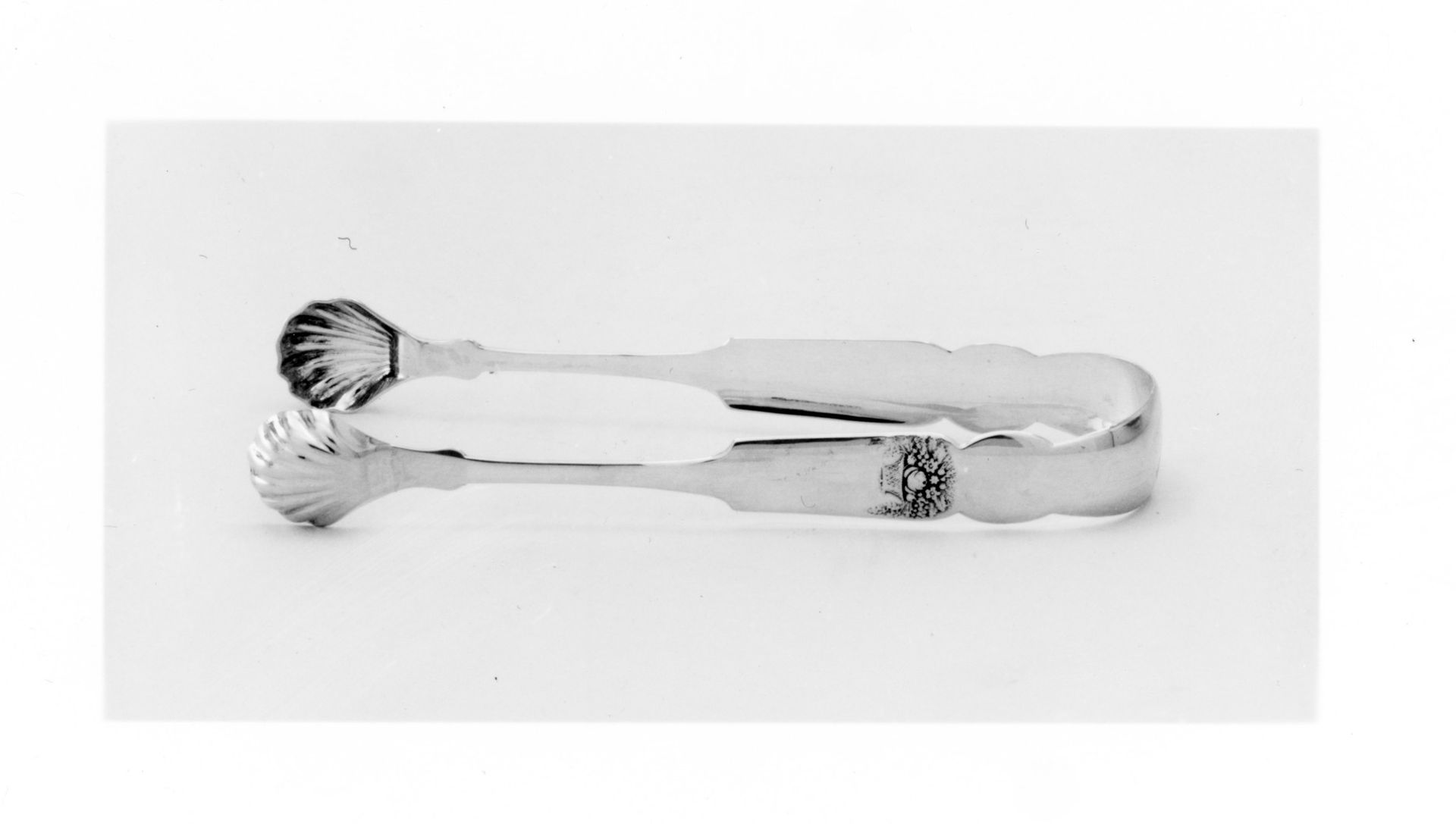
These sugar tongs were made in the United States in the early 19th century by William Wilson White. As simple as these tongs may appear, they carry a weighty history. During White's lifetime, sugar was a highly sought-after, expensive commodity, and these tongs would have been at home in the drawing rooms of the wealthy, where tea and sugar were signs of status. The bitter irony is that the affordability of sugar for European and American consumers was built on the backs of enslaved people who cultivated sugarcane. Sugar production was a cornerstone of the brutal system of racial capitalism and colonialism. The formal elegance of these tongs belies their connection to such exploitation, stirring complex emotions. These tongs, therefore, serve not only as functional objects but also as potent reminders of the historical and ethical complexities embedded in our everyday lives.
Sugar Tongs 1825 - 1835

William Wilson White
1802 - 1841
The Metropolitan Museum of Art
Metropolitan Museum of Art, New York, NYArtwork details
- Medium
- silver, photography
- Dimensions
- L. 6 11/16 in. (17 cm)
- Location
- Metropolitan Museum of Art, New York, NY
- Copyright
- Public Domain
Tags
silver
black and white photography
photography
geometric
black and white
monochrome photography
united-states
monochrome
monochrome
Comments
No comments
About this artwork
These sugar tongs were made in the United States in the early 19th century by William Wilson White. As simple as these tongs may appear, they carry a weighty history. During White's lifetime, sugar was a highly sought-after, expensive commodity, and these tongs would have been at home in the drawing rooms of the wealthy, where tea and sugar were signs of status. The bitter irony is that the affordability of sugar for European and American consumers was built on the backs of enslaved people who cultivated sugarcane. Sugar production was a cornerstone of the brutal system of racial capitalism and colonialism. The formal elegance of these tongs belies their connection to such exploitation, stirring complex emotions. These tongs, therefore, serve not only as functional objects but also as potent reminders of the historical and ethical complexities embedded in our everyday lives.
Comments
No comments