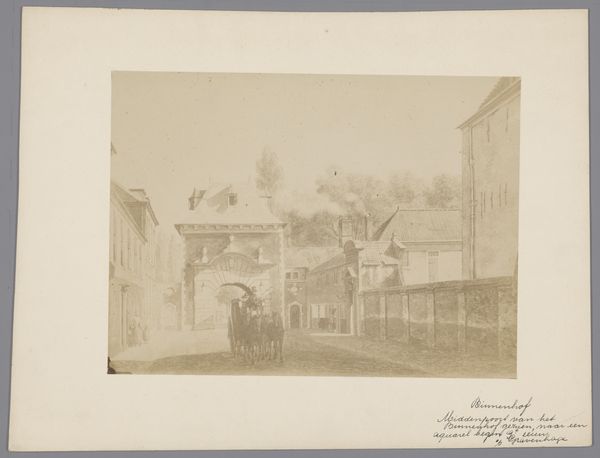
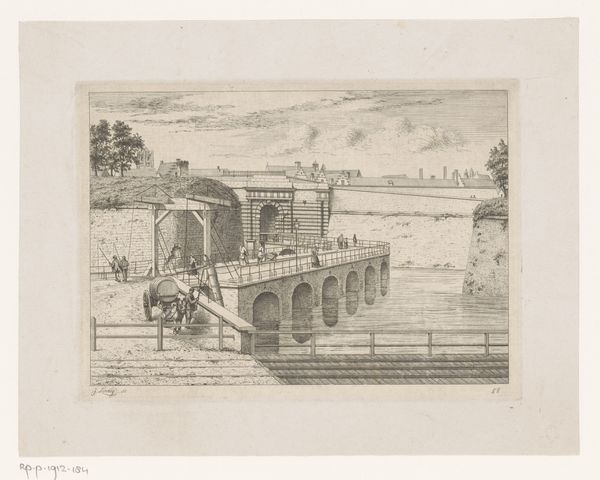
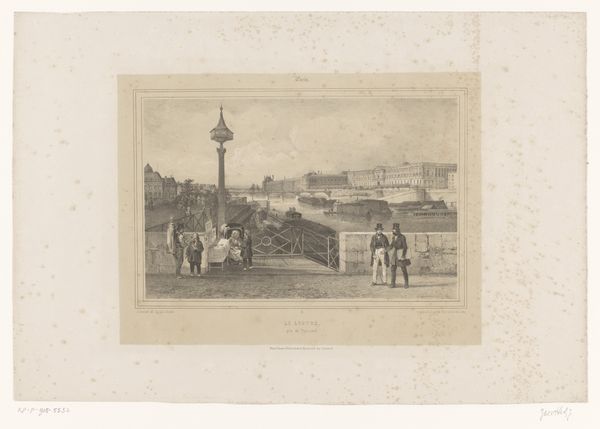
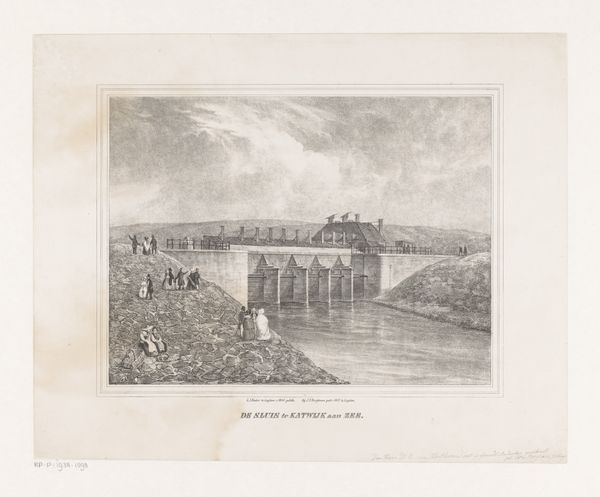
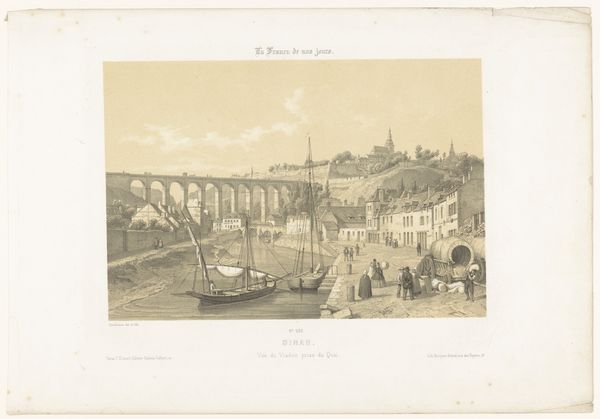
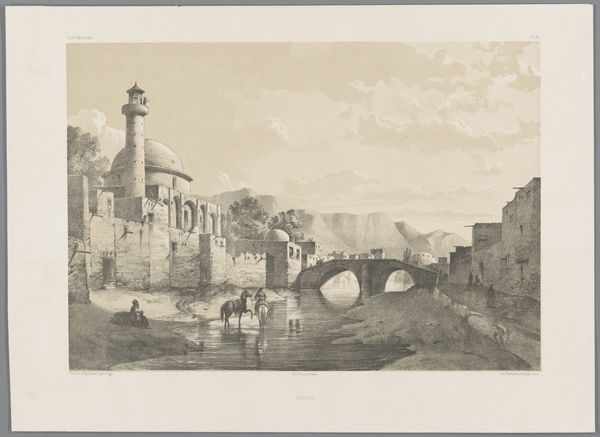
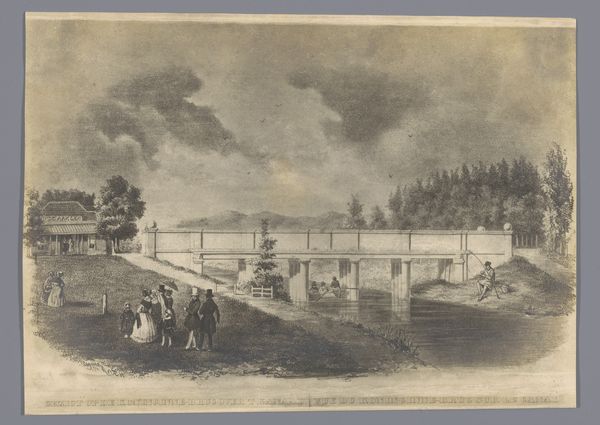
Fotoreproductie van een tekening van een tafereel in een plaats 1855 - 1885
0:00
0:00

drawing, pencil
#
drawing
#
landscape
#
pencil
#
genre-painting
#
academic-art
#
realism
Dimensions: height 61 mm, width 104 mm
Copyright: Rijks Museum: Open Domain
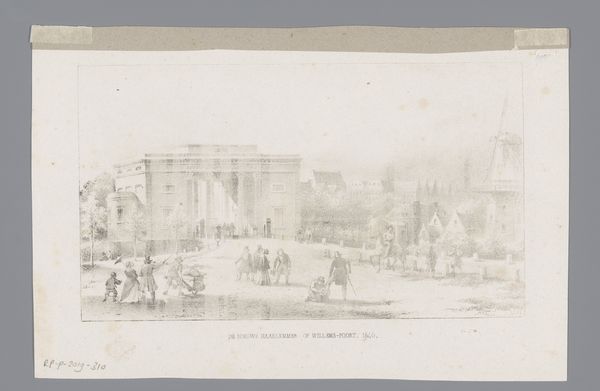
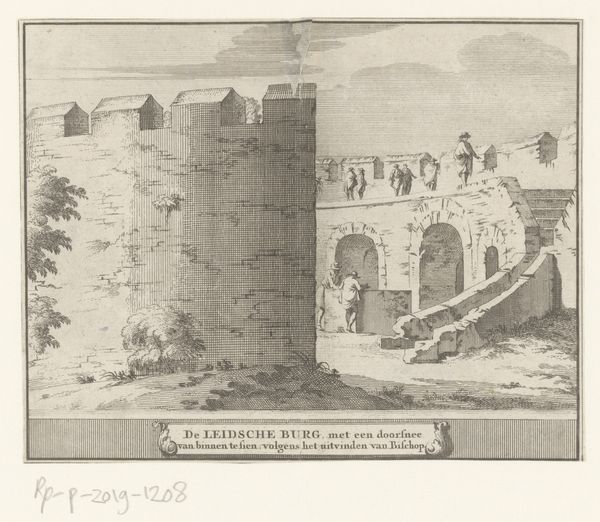
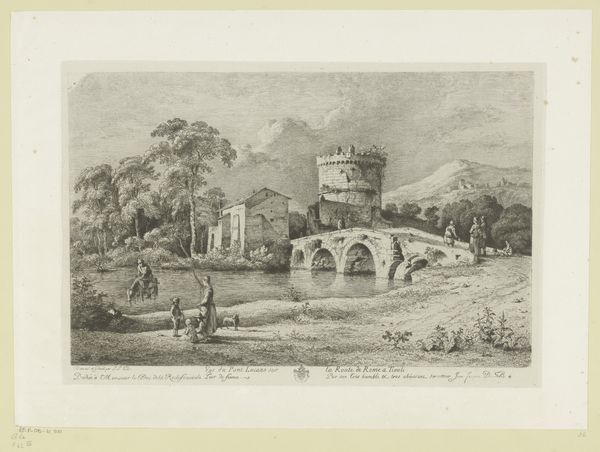
Curator: Alright, let’s discuss this "Photographic reproduction of a drawing depicting a scene in a village," believed to be created by Alfred le Jeune Chardon between 1855 and 1885 using pencil. Quite detailed for a pencil work, wouldn’t you say? Editor: My first thought? Delightfully quaint. It feels like peeking into a little snow globe version of a long-gone world. Lots of small people milling about. Like ants. Though I wonder, why this kind of image? Was this a commission? Curator: Perhaps a romanticized snapshot of everyday life in a French village during the mid-19th century. Genre scenes like these became increasingly popular as urbanization drove nostalgia for rural existence, appealing to a bourgeois class with disposable income for art that romanticized the pre-industrial world. The academic art style is really playing on that sentimental value here, you see it. Editor: Sentimental…maybe a touch contrived? It is really busy; my eyes keep bouncing. All those people, a bridge, horses. Did he like to include EVERYTHING? The composition does pull me toward that distant, hazy coastline, like there's life beyond this tiny ant-farm existence. Curator: Right. This drawing gives us insight into social stratification too; observe the people on horseback, distinct from those on foot, and those elevated on the bridge or hilltop. Chardon may subtly emphasize the physical separation mirroring socio-economic disparities of the time. Editor: Yeah, there’s like, layers of onlookers. That figure with the dog on the hill looks like he is lord of all he surveys. It makes me wonder about who could view such images in albums or parlors – their gaze literally looking *down* on a representation of a bustling little place like this? Curator: Precisely. Also consider the rise of photography and reproducible images at the time. This piece lives in an interesting tension being “after” a drawing but itself a photographic print. Democratization of images but perhaps at the loss of direct authorship. Editor: So true – layers upon layers of representation! Still, it captures a moment, real or imagined. Now I am making up little stories for the dog and its master, and the family in the center of the drawing. I'm sucked into Chardon's idealized village – whether I wanted to be or not! Curator: Indeed. It shows how genre paintings fulfilled specific cultural functions and this reproduction allowed that sentimentality to disseminate broadly, further shaping romantic historical viewpoints. Editor: I’m not sure if I would put this on my wall but as a glimpse of a manufactured feeling about a time long past it is more complex than it appears at first glance. Curator: Agreed. Thank you for joining me in analyzing Chardon’s perspective into that time.
Comments
No comments
Be the first to comment and join the conversation on the ultimate creative platform.
 Collect
 React
React Comment
More like this