1896
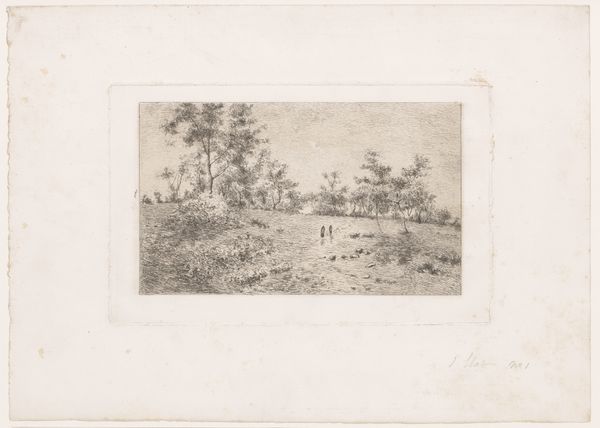
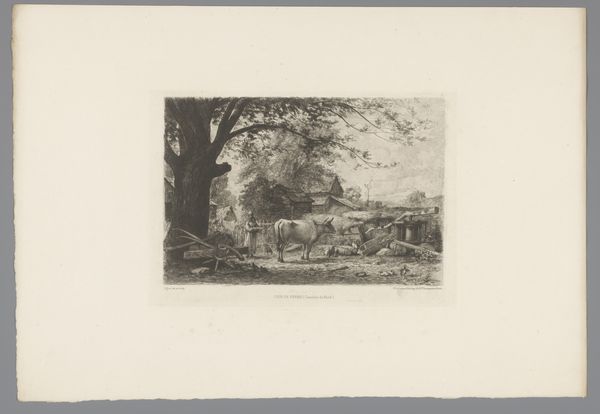
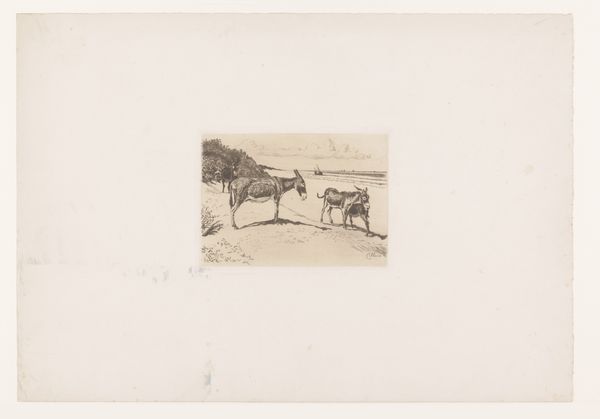
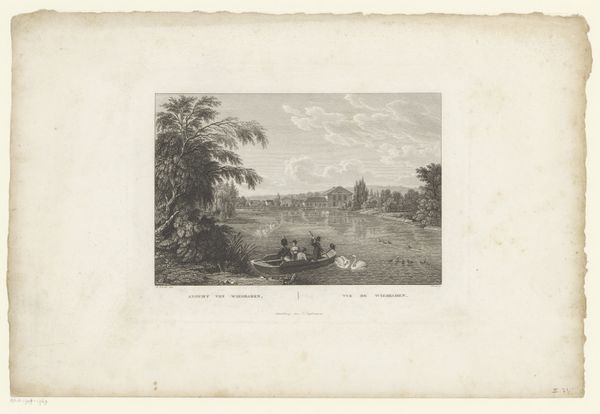
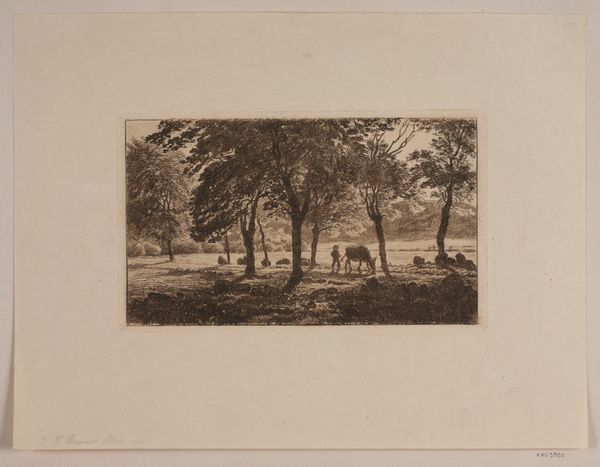
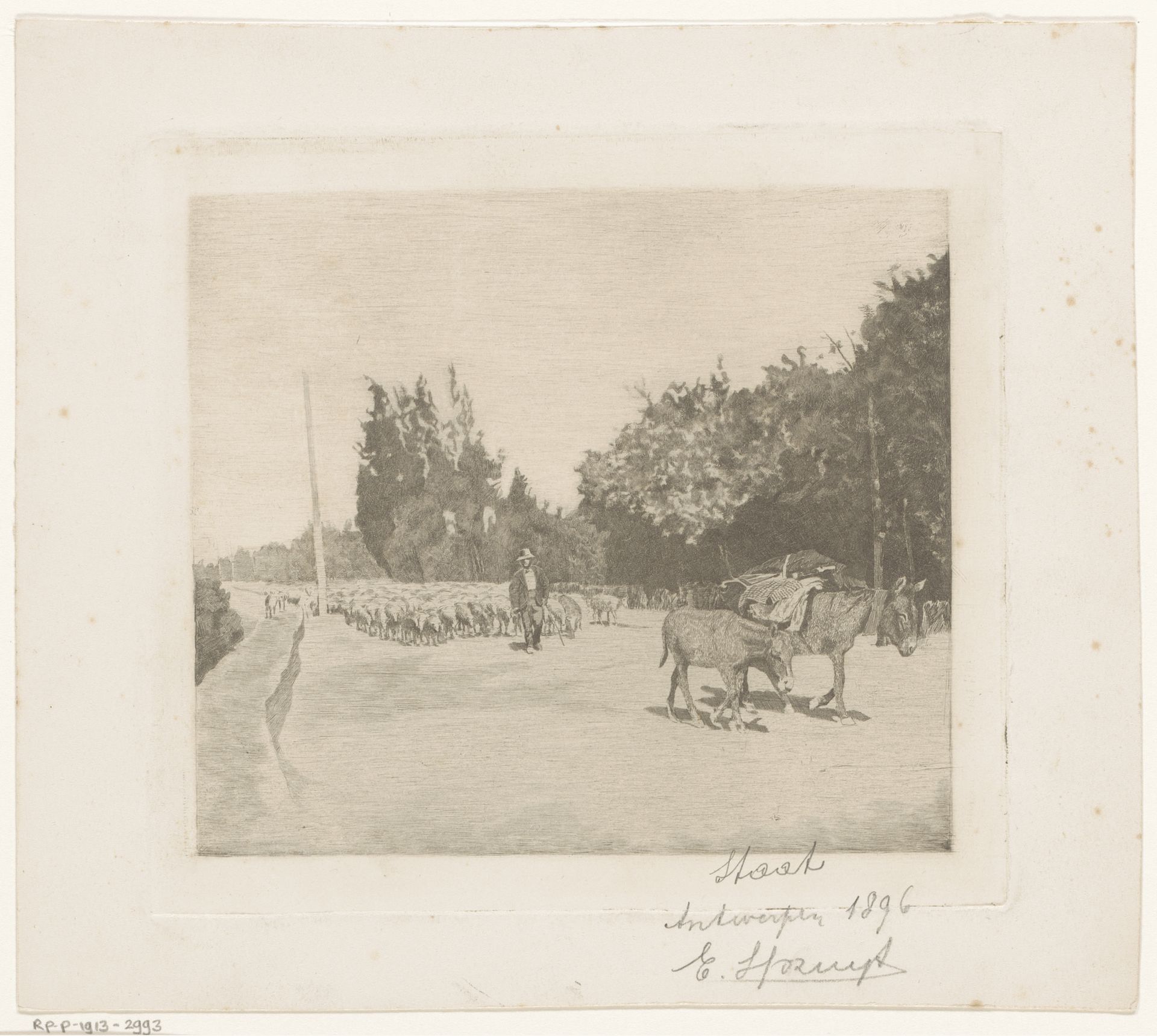
Herder met kudde schapen en twee ezels

Listen to curator's interpretation
Curatorial notes
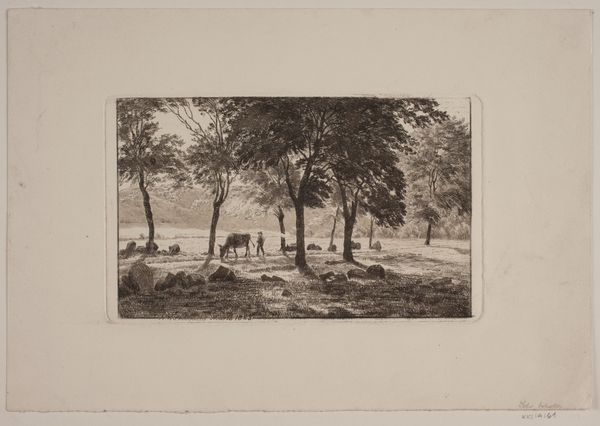
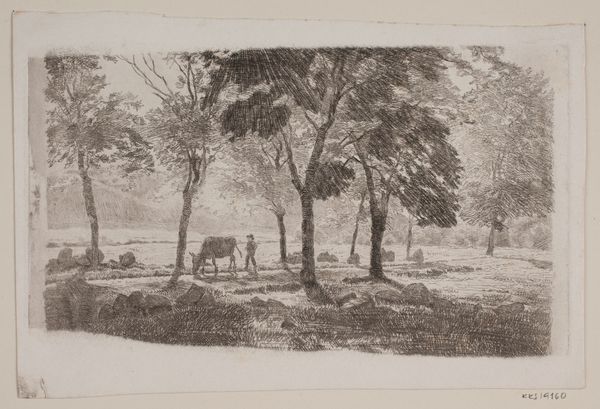
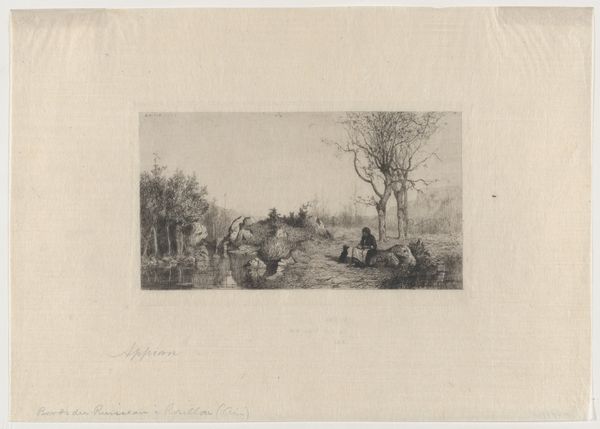
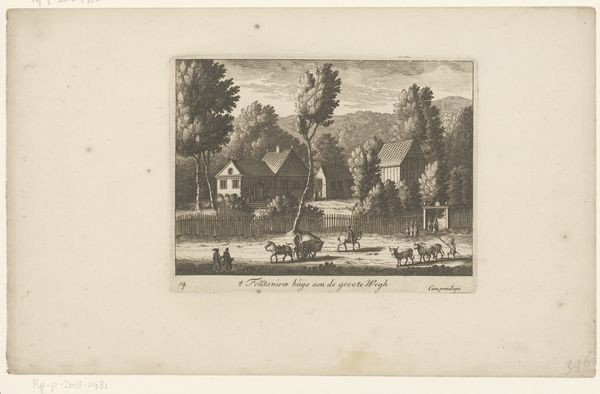
Emile Pierre Maria Spruyt created this etching of a herder with sheep and donkeys in Antwerp, in 1896. This image reflects the cultural interest in rural life at the end of the 19th century, showing the kind of traditional farming that was fast disappearing with industrialization. The print provides a glimpse into the social structure of the time, particularly the role of agricultural labor in the Belgian economy. Antwerp, though a port city, had strong ties to the surrounding agricultural regions. The art institutions of the period played a role in promoting such imagery, reflecting a conservative desire to preserve what was seen as an authentic way of life. Understanding the social context of this etching requires looking into local archives. We need to analyze economic data of the period, and examine exhibition records. Such historical study reveals how art is always embedded in larger networks of social and institutional forces.