About this artwork
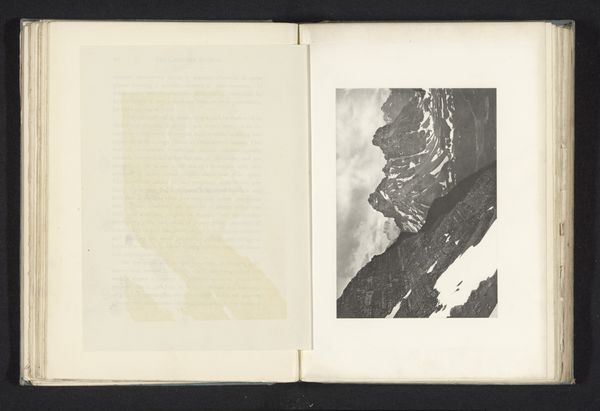
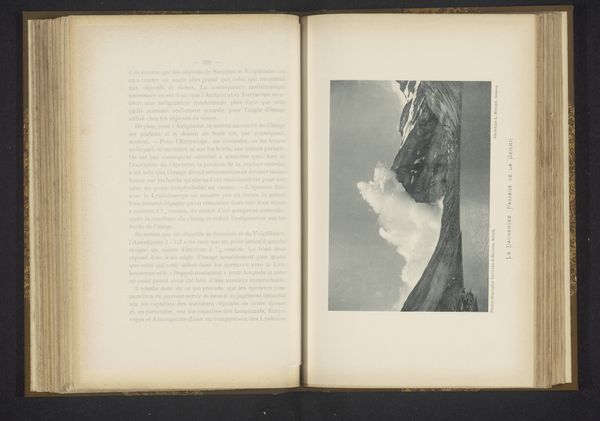
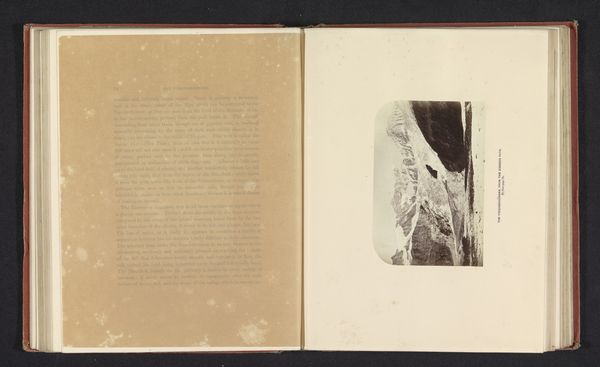
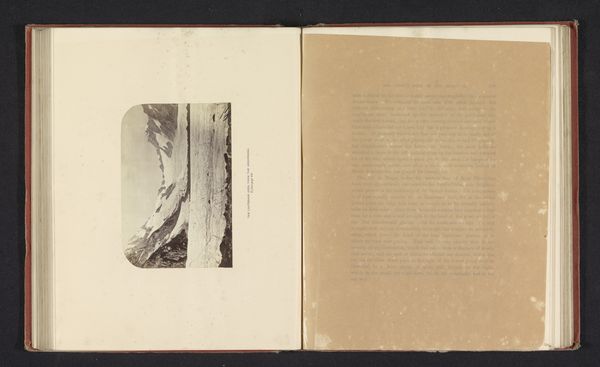
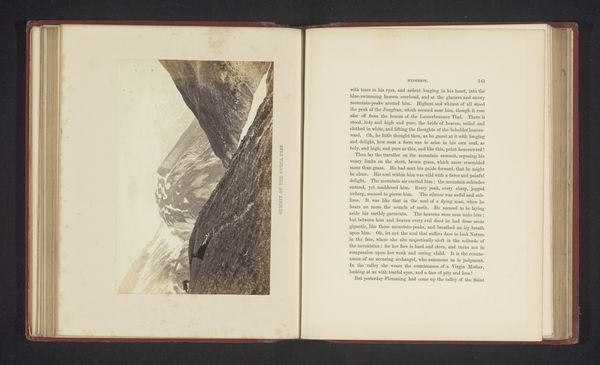
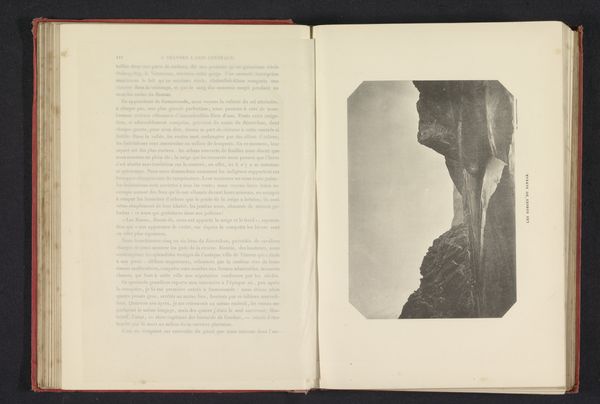
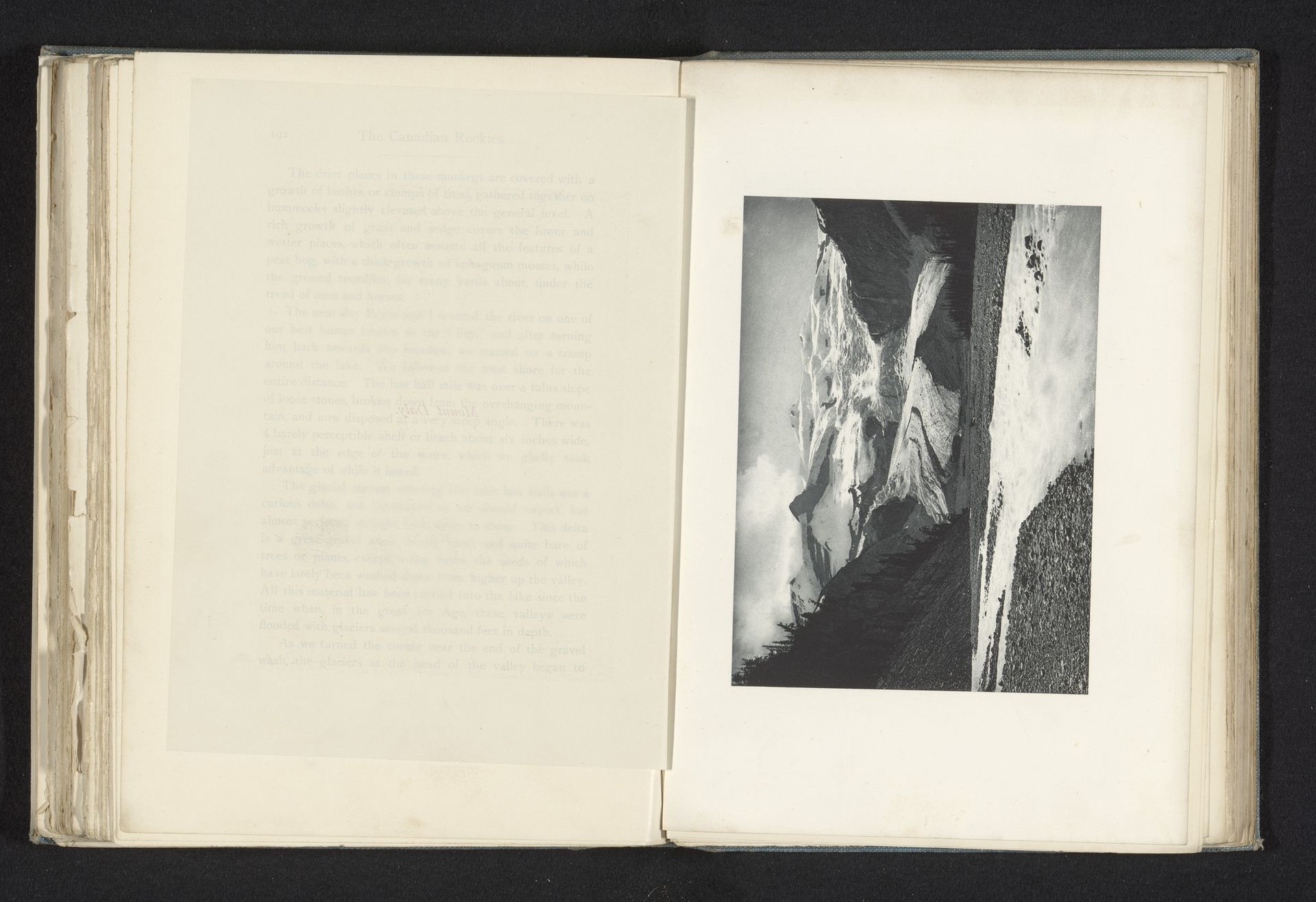
Editor: This is a photograph titled "Gezicht op Mount Daly," taken by Walter Dwight Wilcox sometime before 1897. The image has a very classic, almost timeless feel. The contrast between the light sky and the dark mountain is quite striking. How do you interpret this work? Curator: I see more than just a mountain vista. Think about who had access to creating and consuming images like this in the late 19th century. The very act of documenting this landscape, of claiming a "view," speaks to a history of exploration and, inevitably, exploitation. Who was Mount Daly before it was "Mount Daly"? Editor: That's a good point. I hadn't considered the naming and claiming aspect. What do you mean exactly by "exploitation?" Curator: The romantic depiction of untouched wilderness often masks the displacement and erasure of Indigenous peoples. Landscape photography like this, however beautiful, served to legitimize colonial narratives, suggesting a land open for taking. This image presents nature as a resource, something to be admired and, by extension, controlled. Think about how images were circulated: they could promote tourism and industry, bringing settlers and further disruption. Editor: So, by focusing on the composition or lighting alone, we miss the broader context of how this image functioned within its time? Curator: Precisely. And it challenges us to consider how we look at landscape photography today. Is it simply beautiful, or is it implicated in a more complex history? Who *was* allowed to represent nature, and whose voices were excluded? Editor: That’s really insightful. I'll definitely look at landscapes differently now, thinking about whose story they are telling—or not telling. Curator: Absolutely, questioning these images allows us to build a more critical understanding of the past and its relationship to the present.

Artwork details
- Dimensions
- height 115 mm, width 155 mm
- Copyright
- Rijks Museum: Open Domain
Tags
Comments
Share your thoughts
About this artwork
Editor: This is a photograph titled "Gezicht op Mount Daly," taken by Walter Dwight Wilcox sometime before 1897. The image has a very classic, almost timeless feel. The contrast between the light sky and the dark mountain is quite striking. How do you interpret this work? Curator: I see more than just a mountain vista. Think about who had access to creating and consuming images like this in the late 19th century. The very act of documenting this landscape, of claiming a "view," speaks to a history of exploration and, inevitably, exploitation. Who was Mount Daly before it was "Mount Daly"? Editor: That's a good point. I hadn't considered the naming and claiming aspect. What do you mean exactly by "exploitation?" Curator: The romantic depiction of untouched wilderness often masks the displacement and erasure of Indigenous peoples. Landscape photography like this, however beautiful, served to legitimize colonial narratives, suggesting a land open for taking. This image presents nature as a resource, something to be admired and, by extension, controlled. Think about how images were circulated: they could promote tourism and industry, bringing settlers and further disruption. Editor: So, by focusing on the composition or lighting alone, we miss the broader context of how this image functioned within its time? Curator: Precisely. And it challenges us to consider how we look at landscape photography today. Is it simply beautiful, or is it implicated in a more complex history? Who *was* allowed to represent nature, and whose voices were excluded? Editor: That’s really insightful. I'll definitely look at landscapes differently now, thinking about whose story they are telling—or not telling. Curator: Absolutely, questioning these images allows us to build a more critical understanding of the past and its relationship to the present.
Comments
Share your thoughts