About this artwork
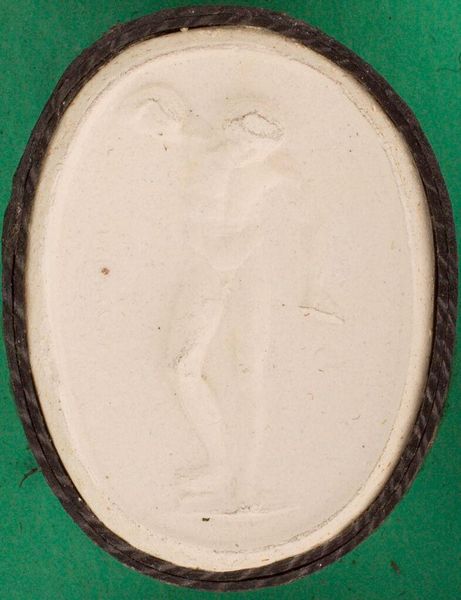
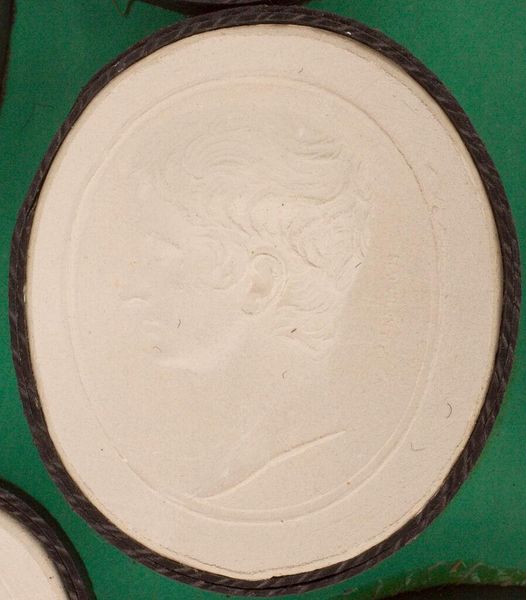
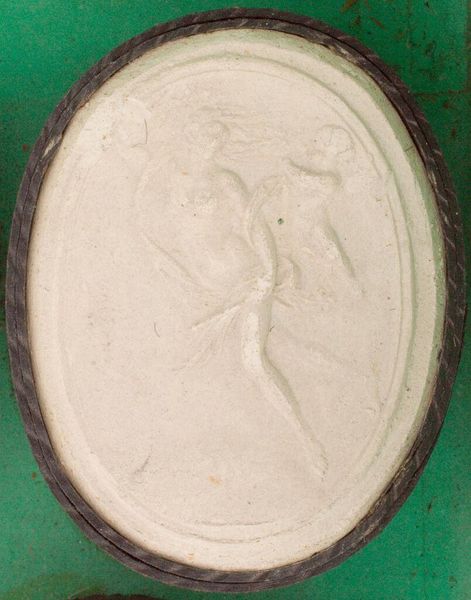
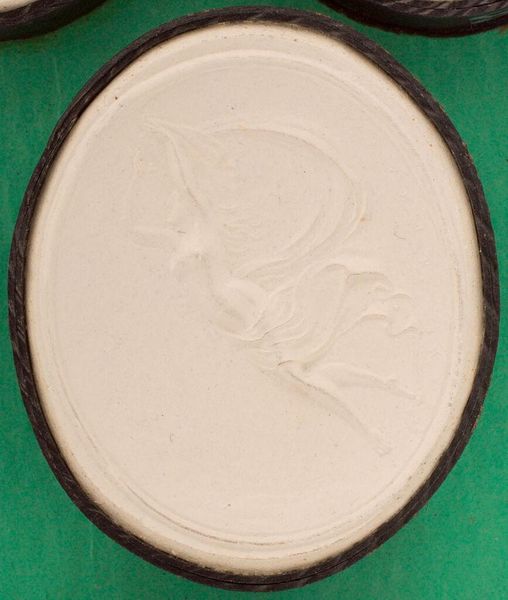
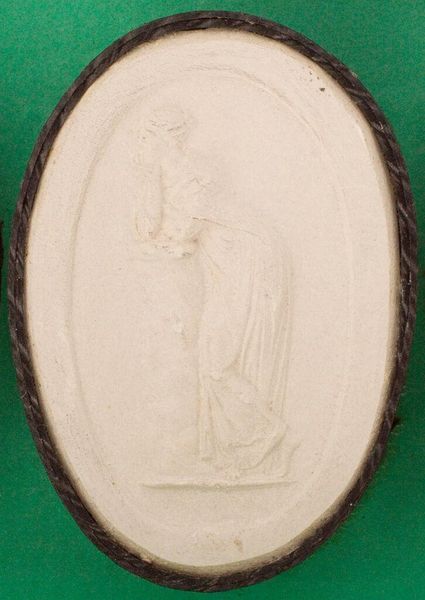
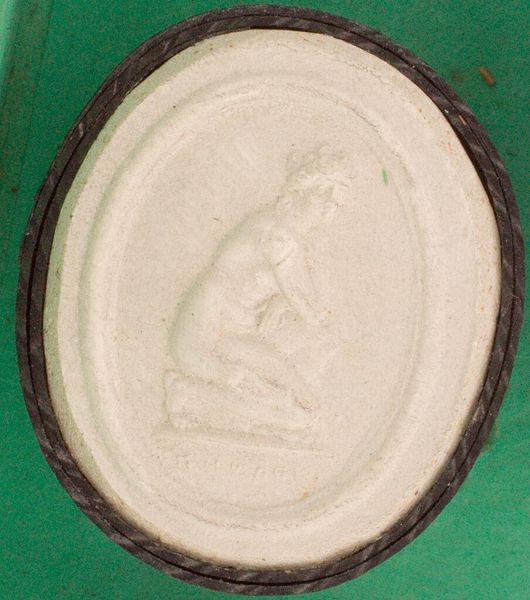
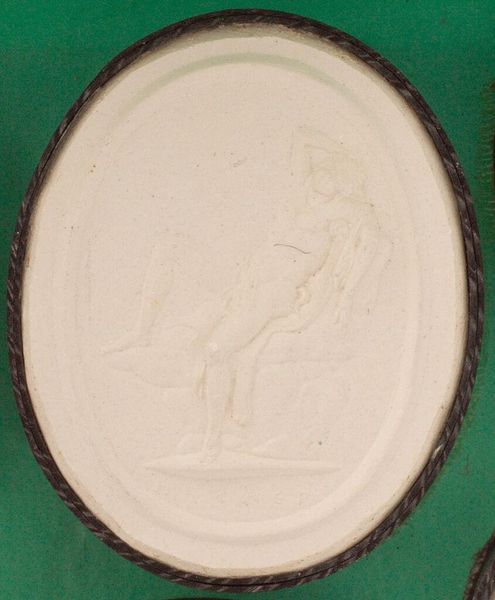
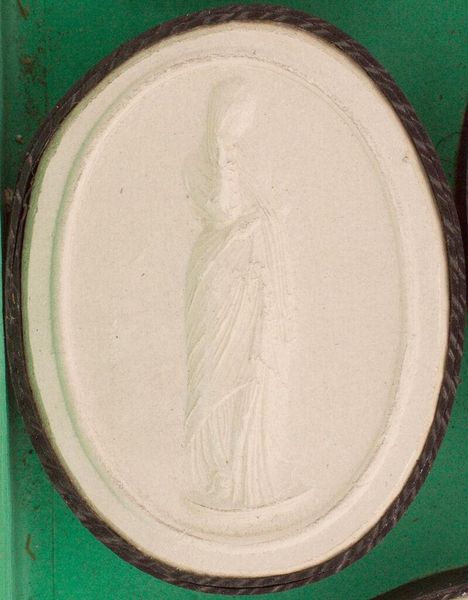
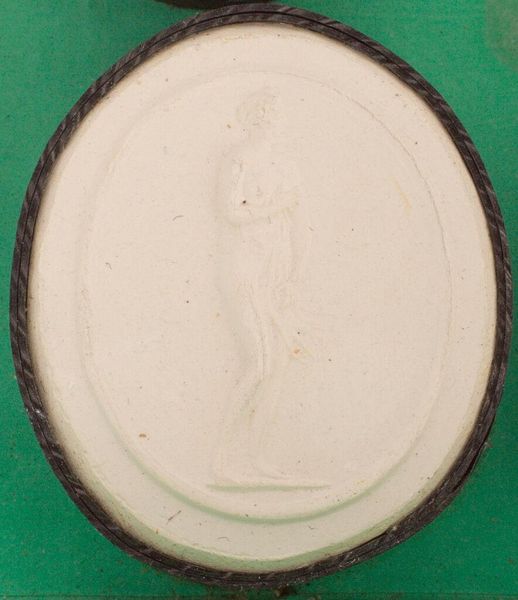
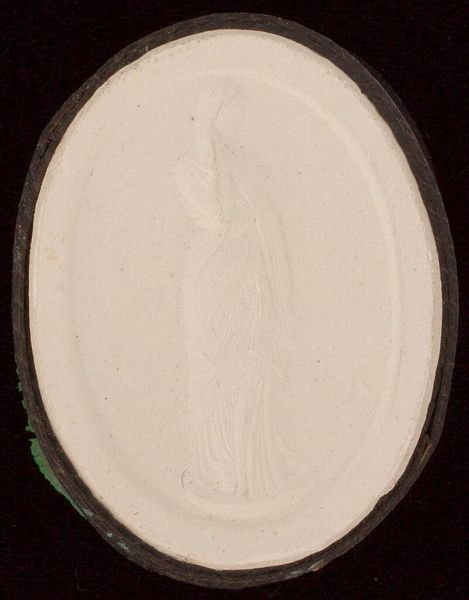
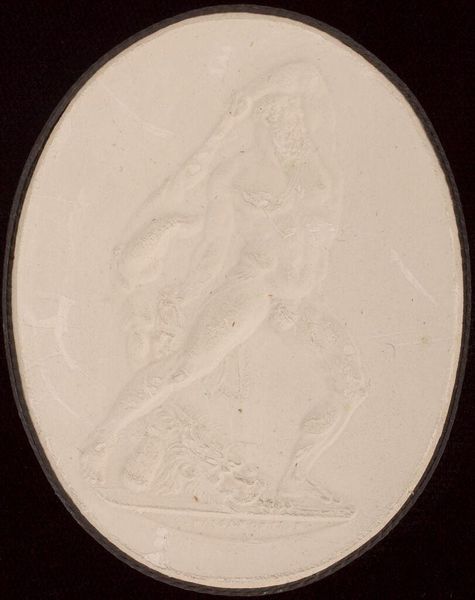
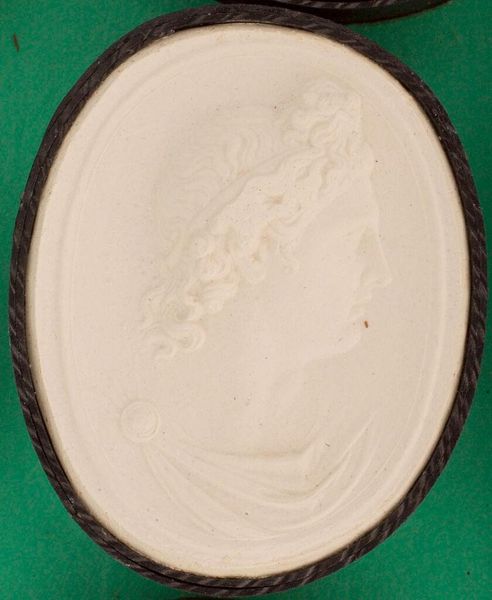
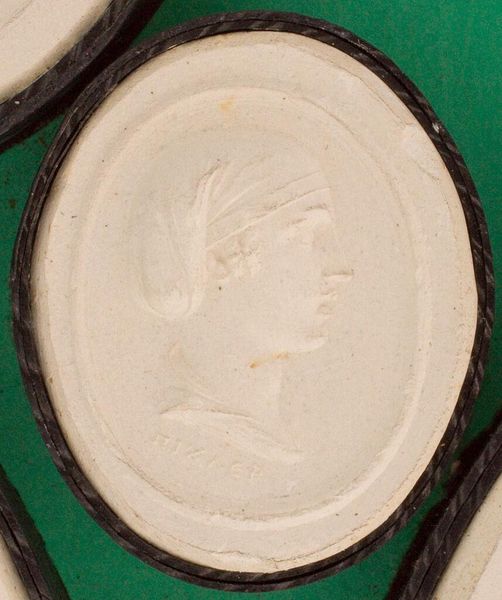
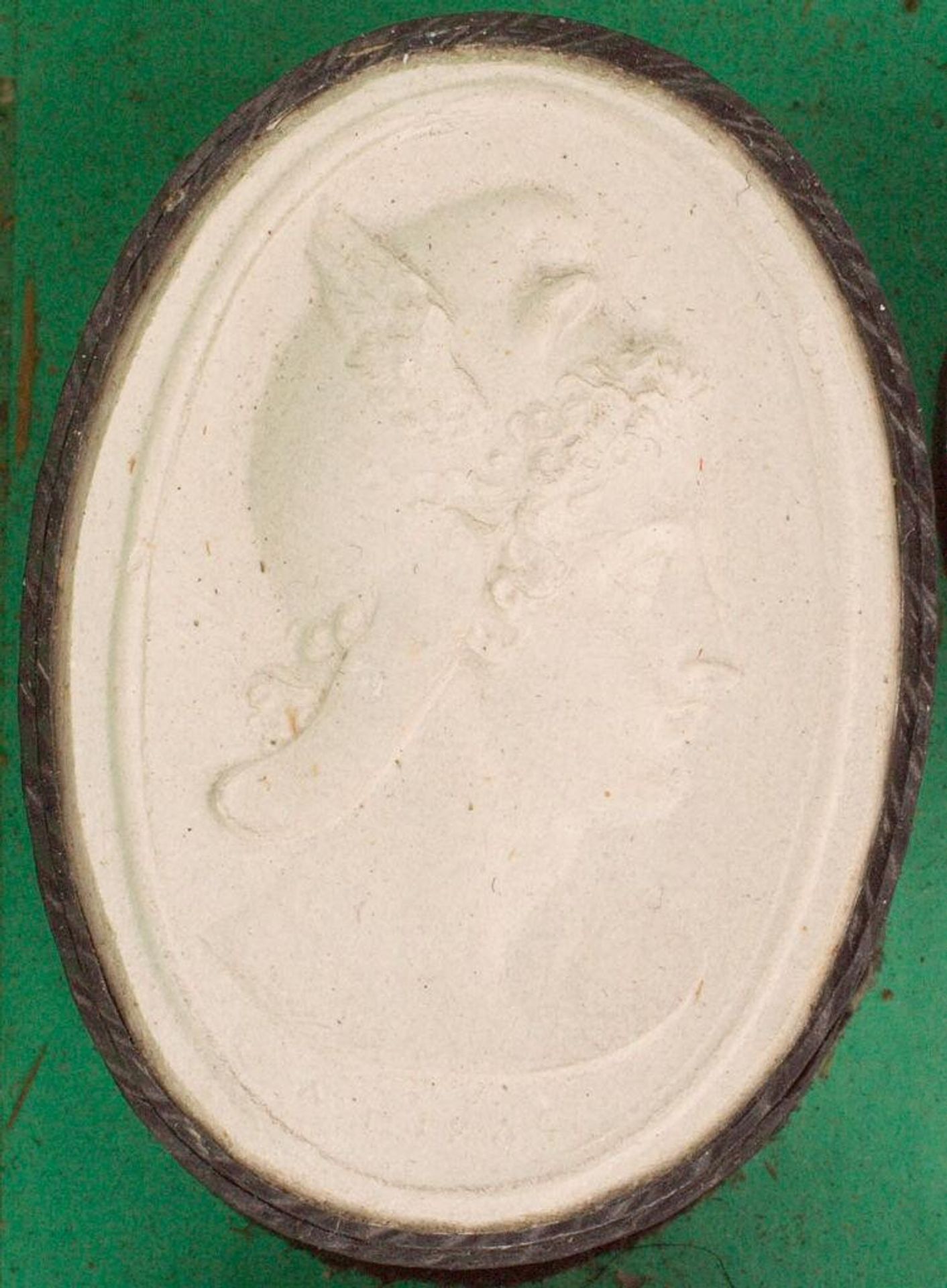
Editor: This is Luigi Pichler's "Head of Perseus, after Canova," a very small piece. Looking at it, I'm struck by how it condenses such a powerful myth into this tiny, almost gem-like form. What symbols or meanings do you see embedded within it? Curator: Consider how Pichler references Canova, who himself reinterpreted classical ideals. Perseus, often a symbol of triumph and courage, is here rendered in miniature. Does this diminish his power or, perhaps, make his heroism more portable, more personal? Does this intimate scale change your understanding of the Perseus myth? Editor: That's a great point. It makes me think about how we carry these heroic stories with us, internalizing them. Curator: Exactly. The act of miniaturization itself becomes a symbol. It's not just Perseus; it's the idea of heroism, condensed and carried through time.
Head of Perseus, after Canova
c. 19th century


Artwork details
- Dimensions
- 3 x 2.2 x 1 cm (1 3/16 x 7/8 x 3/8 in.)
- Location
- Harvard Art Museums
- Copyright
- CC0 1.0
Comments
Share your thoughts
About this artwork
Editor: This is Luigi Pichler's "Head of Perseus, after Canova," a very small piece. Looking at it, I'm struck by how it condenses such a powerful myth into this tiny, almost gem-like form. What symbols or meanings do you see embedded within it? Curator: Consider how Pichler references Canova, who himself reinterpreted classical ideals. Perseus, often a symbol of triumph and courage, is here rendered in miniature. Does this diminish his power or, perhaps, make his heroism more portable, more personal? Does this intimate scale change your understanding of the Perseus myth? Editor: That's a great point. It makes me think about how we carry these heroic stories with us, internalizing them. Curator: Exactly. The act of miniaturization itself becomes a symbol. It's not just Perseus; it's the idea of heroism, condensed and carried through time.
Comments
Share your thoughts