About this artwork
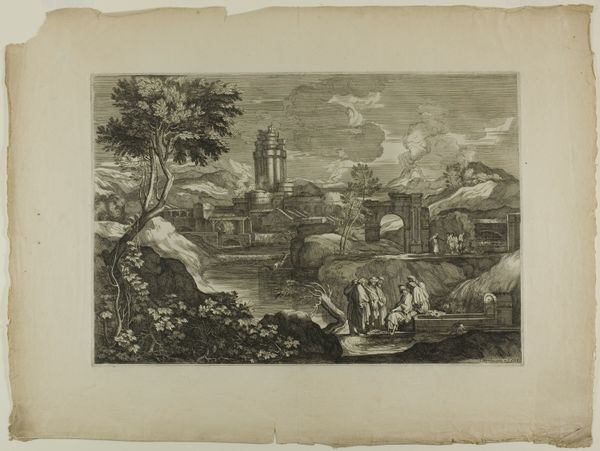
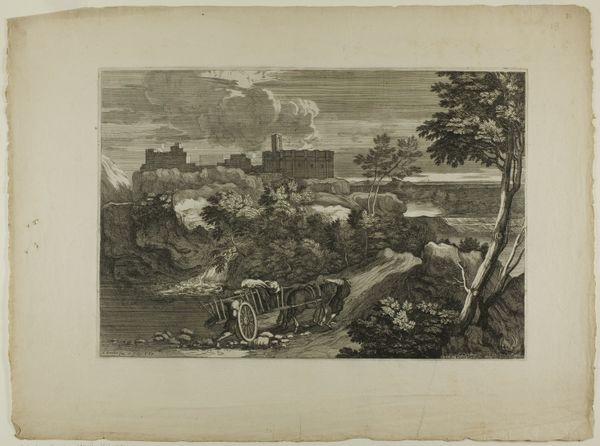
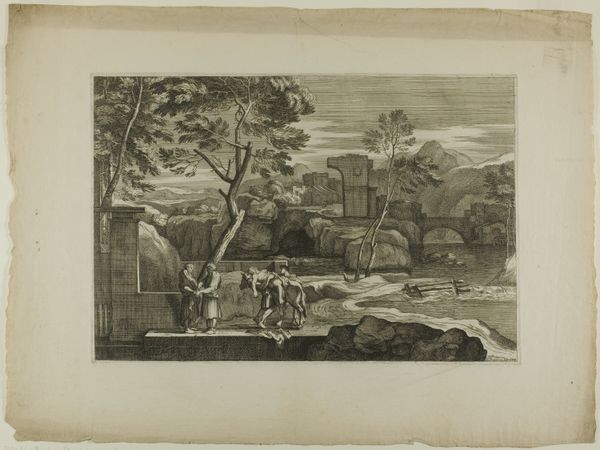
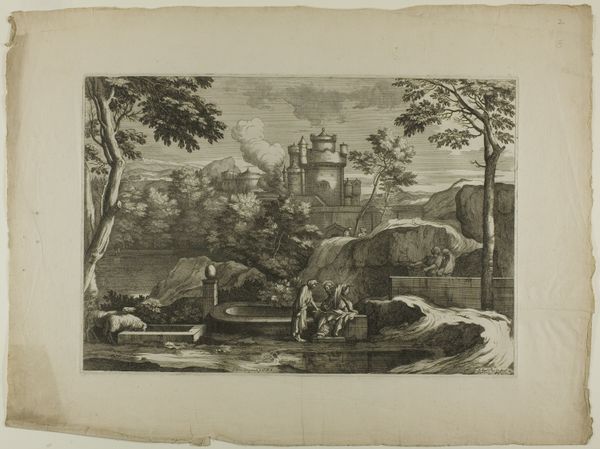
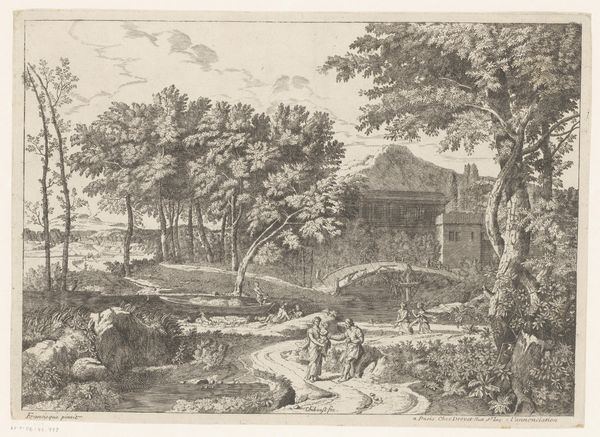
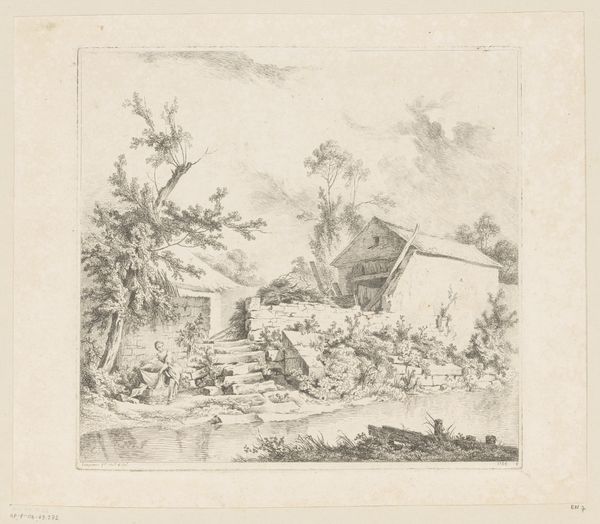
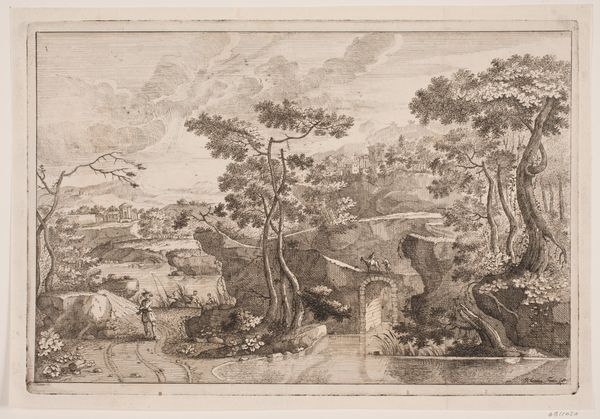
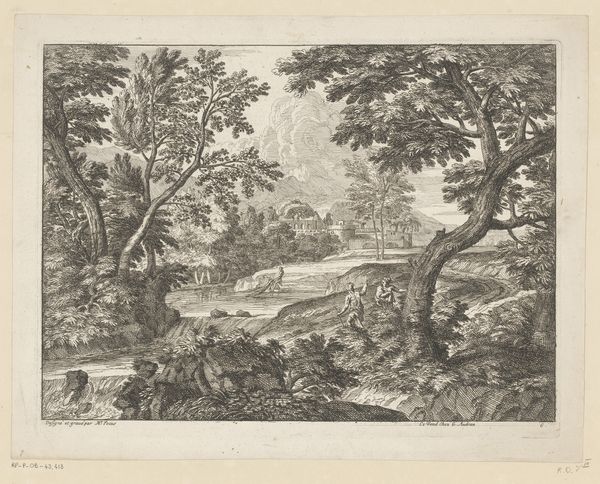
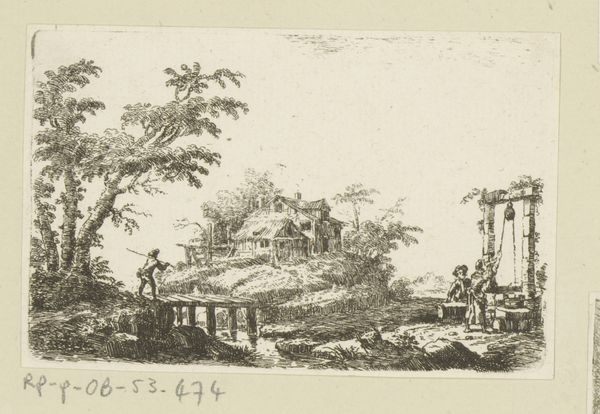
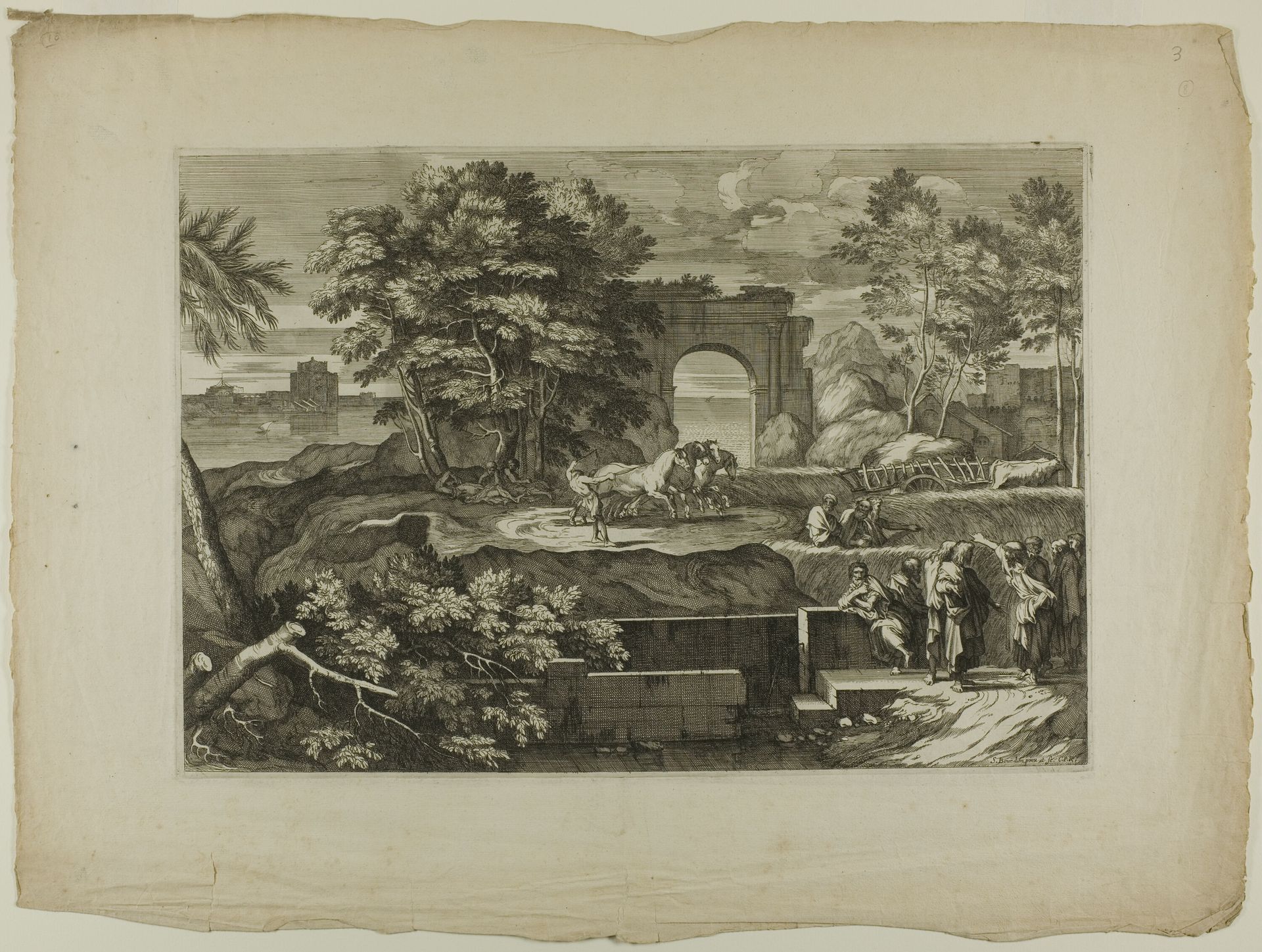
Sebastien Bourdon created this print, “Christ and His Disciples with a Triumphal Arch in the Distance,” using etching. The etched lines define the composition’s tonal range and texture. By varying the depth and density of these marks, Bourdon creates a sense of light and shadow, depth and form. The etching technique itself has social implications. Prints like these made art more accessible, extending the reach of religious narratives to a broader audience beyond the elite circles that commissioned paintings. Consider the labor-intensive nature of etching: from preparing the metal plate to the precise application of acid. Bourdon's skill in manipulating these processes is evident in the print's intricate details and subtle tonal gradations. By emphasizing the materiality and making of this print, we see how it bridges the gap between artistic expression, skilled craft, and wider access to religious art.
Christ and His Disciples with a Triumphal Arch in the Distance
1668 - 1671


Artwork details
- Medium
- drawing, print, etching, paper
- Dimensions
- 303 × 442 mm (plate); 440 × 588 mm (sheet)
- Location
- The Art Institute of Chicago
- Copyright
- Public Domain
Tags
drawing
narrative-art
baroque
ink painting
etching
landscape
paper
history-painting
Comments
Be the first to share your thoughts about this work.
About this artwork
Sebastien Bourdon created this print, “Christ and His Disciples with a Triumphal Arch in the Distance,” using etching. The etched lines define the composition’s tonal range and texture. By varying the depth and density of these marks, Bourdon creates a sense of light and shadow, depth and form. The etching technique itself has social implications. Prints like these made art more accessible, extending the reach of religious narratives to a broader audience beyond the elite circles that commissioned paintings. Consider the labor-intensive nature of etching: from preparing the metal plate to the precise application of acid. Bourdon's skill in manipulating these processes is evident in the print's intricate details and subtle tonal gradations. By emphasizing the materiality and making of this print, we see how it bridges the gap between artistic expression, skilled craft, and wider access to religious art.
Comments
Be the first to share your thoughts about this work.