c. 1855 - 1857
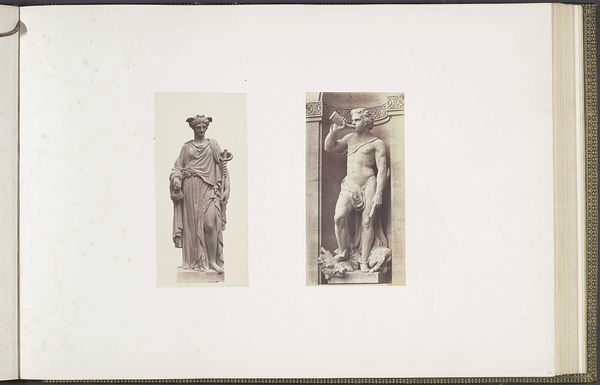
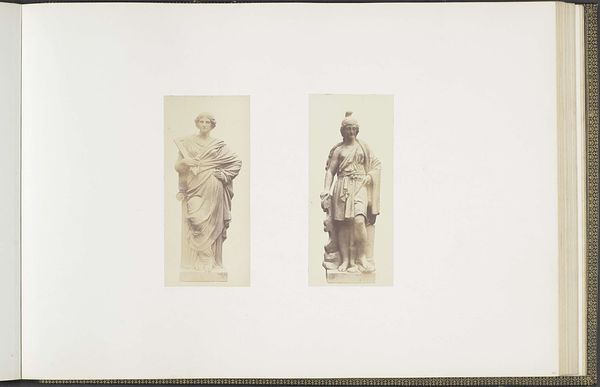
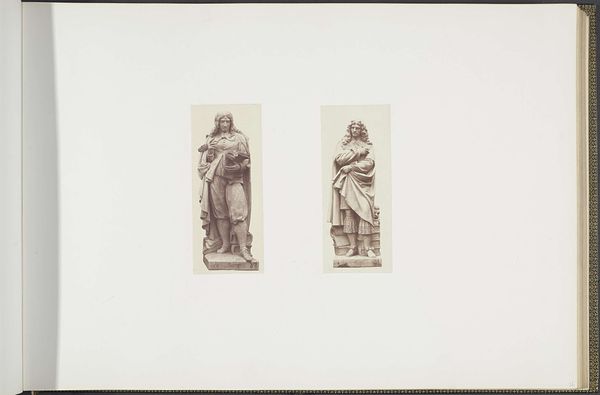
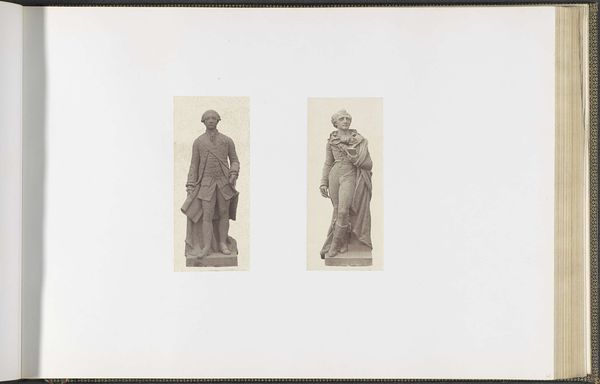
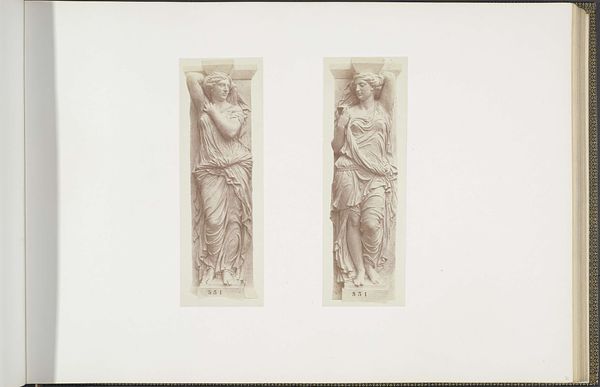
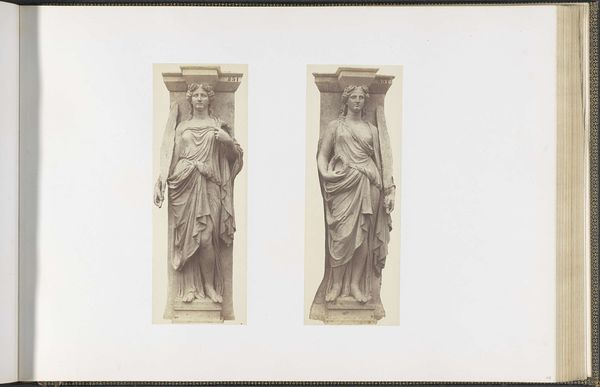
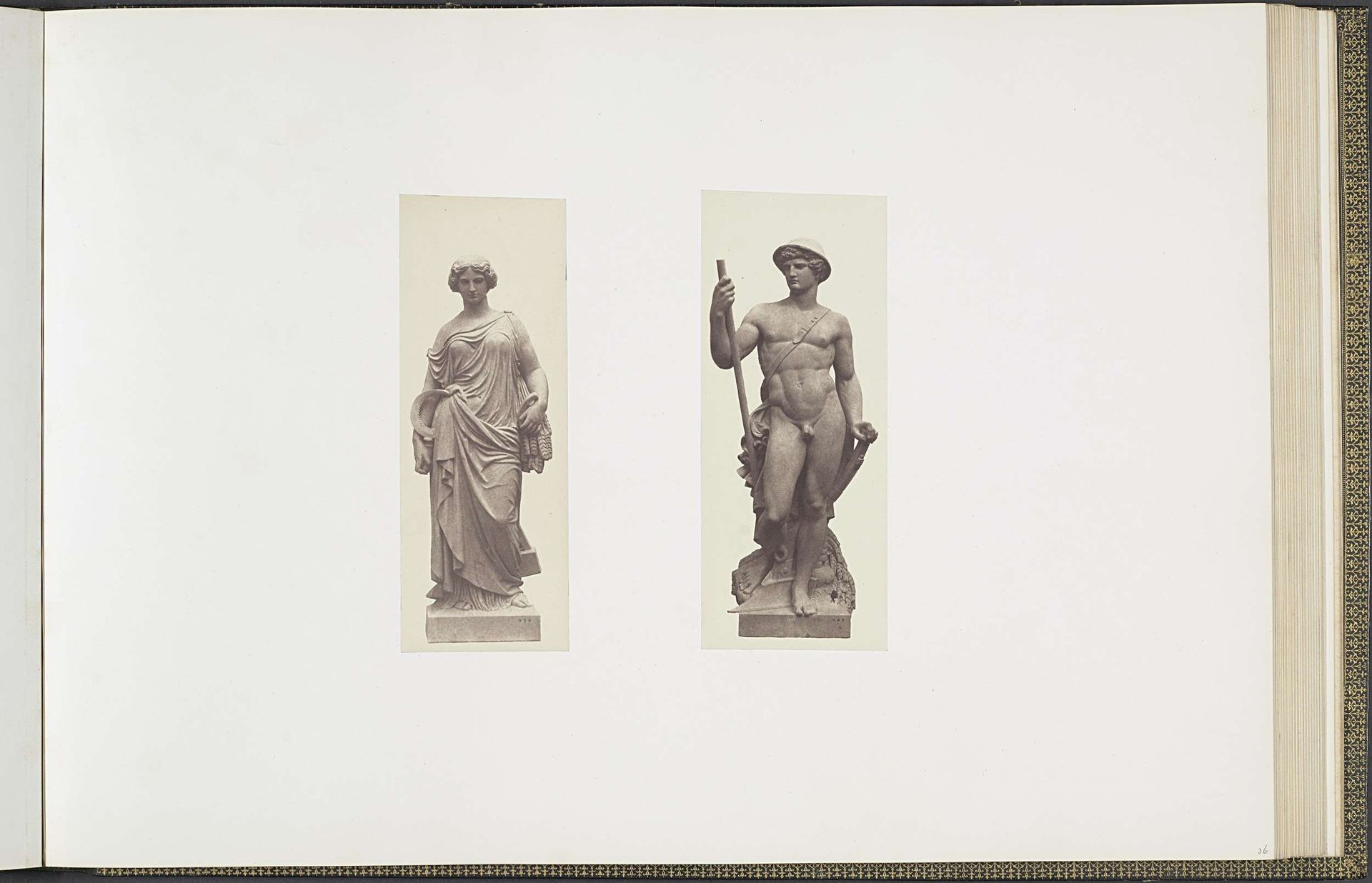
Gipsmodellen voor beeldhouwwerken op het Palais du Louvre: links "L'Agriculture" door Pierre Loison en rechts "Le Laboureur" door Jean Claude Petit

Edouard Baldus
1813 - 1889Location
RijksmuseumListen to curator's interpretation
Curatorial notes
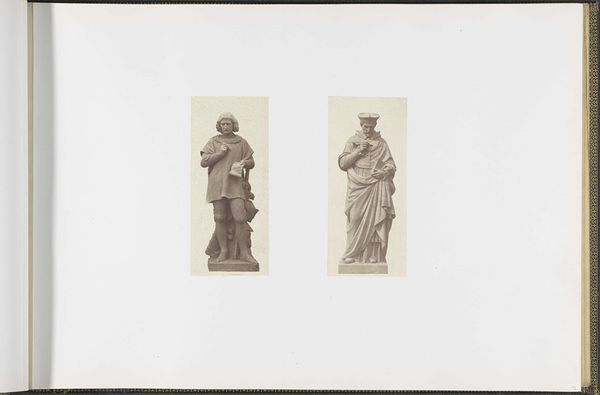
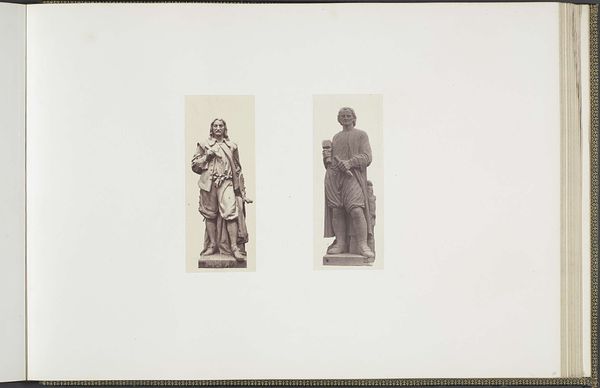
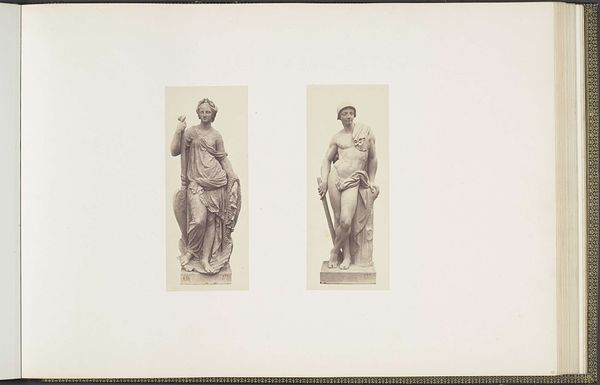
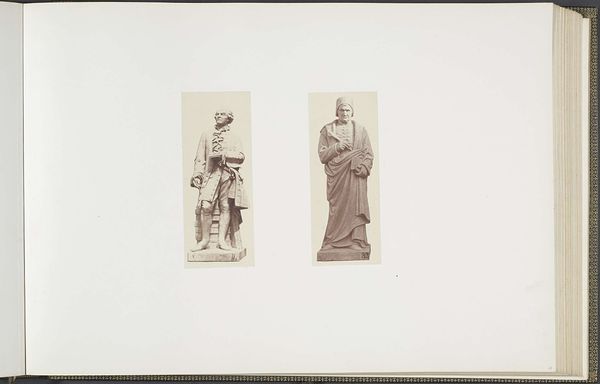
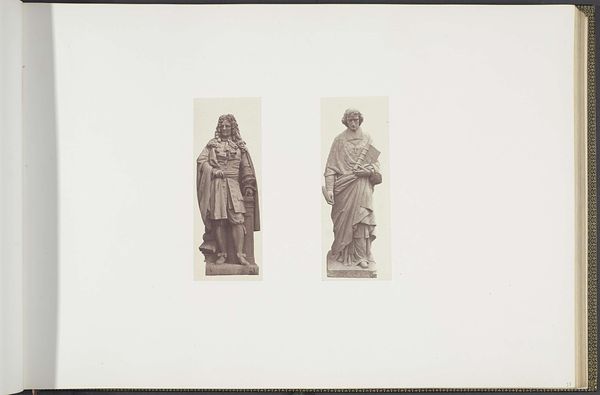
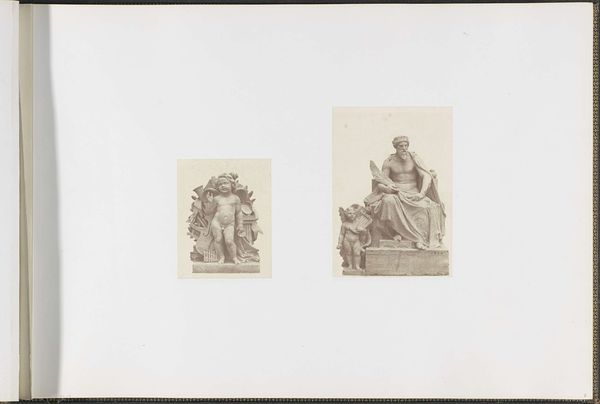
This photograph by Edouard Baldus captures plaster models made for sculptures at the Palais du Louvre. Plaster, a humble material, is the result of heating and processing gypsum, a widely available mineral. As a medium, it is easily molded and relatively inexpensive. Baldus’ photograph shows us the processes that lay behind the Louvre’s imposing façade. It acknowledges the work of Pierre Loison and Jean Claude Petit, the sculptors commissioned to create allegorical figures representing ‘Agriculture’ and ‘The Ploughman’. Plaster models like these were a vital stage in the production of large-scale sculpture, allowing artists to test their compositions before committing to more expensive and time-consuming carving in stone. Photographs like these challenge our traditional understanding of fine art. They shed light on the usually unseen labor and practical processes of making. They also capture a moment in the cultural history of 19th-century France, when the grand ambitions of state-sponsored art intertwined with the skills of talented individuals and the potential of industrial materials.