About this artwork
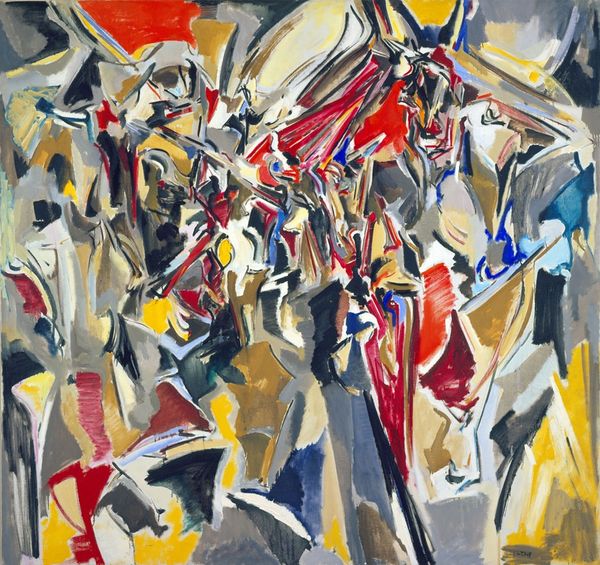
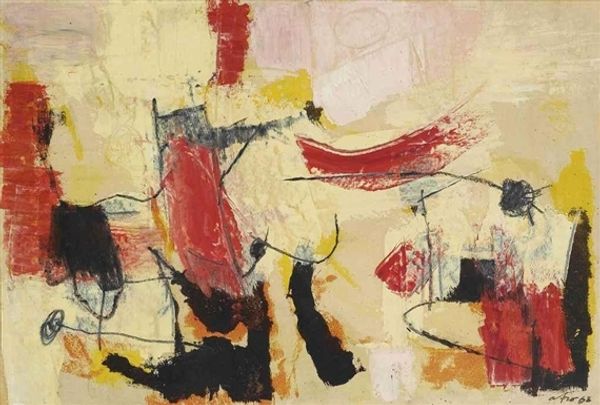
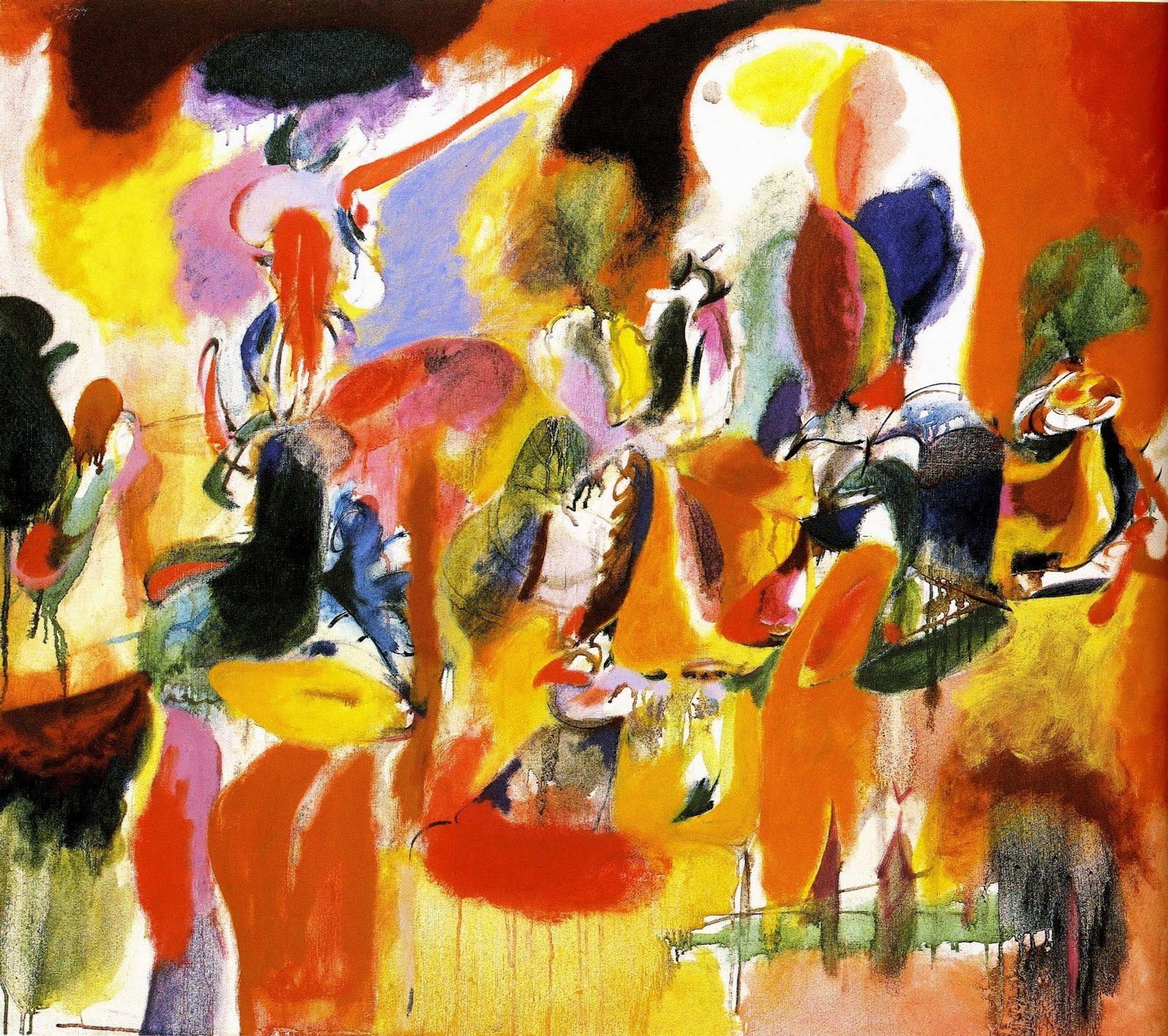
Arshile Gorky, an Armenian-American artist, painted "Water of the Flowery Mill," with no date specified and in an unknown medium, reflecting his experiences as an immigrant and the trauma of displacement. Gorky’s work lives at the intersection of surrealism and abstraction. He once said "The stuff of thought is the seed of the artist. Dreams form the bristles of the brush.” His art grapples with identity, memory, and the search for belonging. The soft, fluid forms evoke a sense of longing and nostalgia, possibly for the lost landscapes of his homeland. The vibrant colors suggest the vitality of nature. This piece departs from traditional representation. Instead, it invites viewers to engage with the emotional and psychological dimensions of the immigrant experience. In the aftermath of the Armenian genocide and his subsequent migration to the United States, Gorky's art shapes our understanding of identity and resilience in the face of adversity.
Water of the Flowery Mill
1944

Arshile Gorky
1904 - 1948
The Metropolitan Museum of Art
Metropolitan Museum of Art (Met), New York City, NY, USArtwork details
- Location
- Metropolitan Museum of Art (Met), New York City, NY, US
- Copyright
- Public domain
Comments
Share your thoughts
About this artwork
Arshile Gorky, an Armenian-American artist, painted "Water of the Flowery Mill," with no date specified and in an unknown medium, reflecting his experiences as an immigrant and the trauma of displacement. Gorky’s work lives at the intersection of surrealism and abstraction. He once said "The stuff of thought is the seed of the artist. Dreams form the bristles of the brush.” His art grapples with identity, memory, and the search for belonging. The soft, fluid forms evoke a sense of longing and nostalgia, possibly for the lost landscapes of his homeland. The vibrant colors suggest the vitality of nature. This piece departs from traditional representation. Instead, it invites viewers to engage with the emotional and psychological dimensions of the immigrant experience. In the aftermath of the Armenian genocide and his subsequent migration to the United States, Gorky's art shapes our understanding of identity and resilience in the face of adversity.
Comments
Share your thoughts