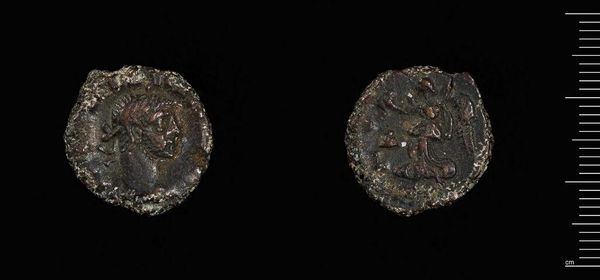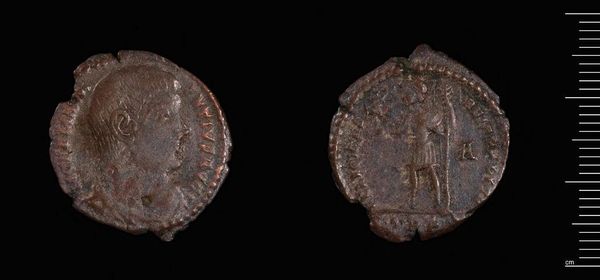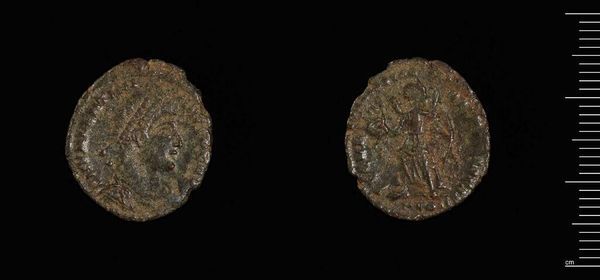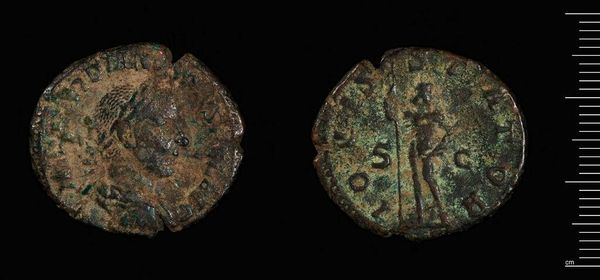
c. 2th - 3th century
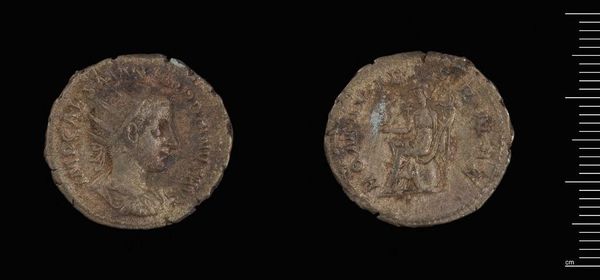
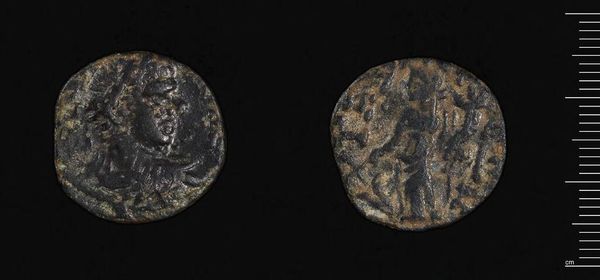
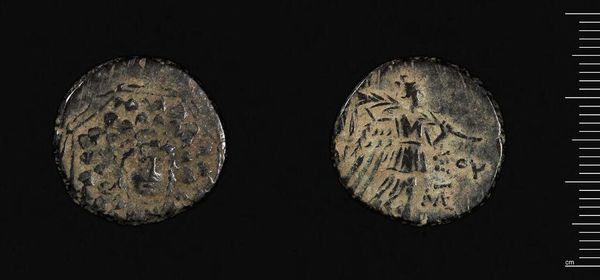
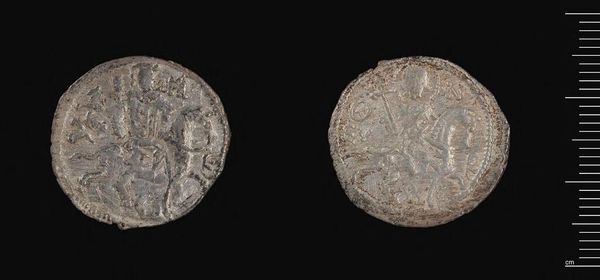
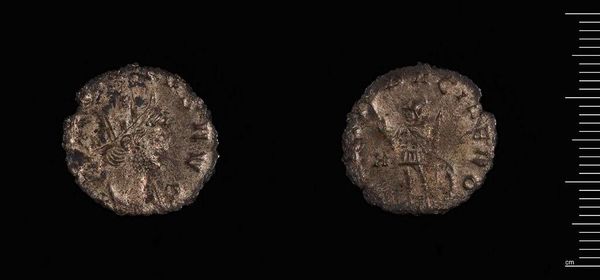
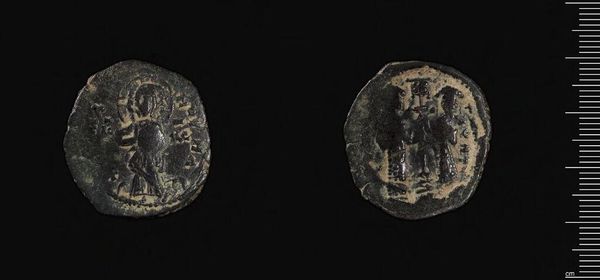
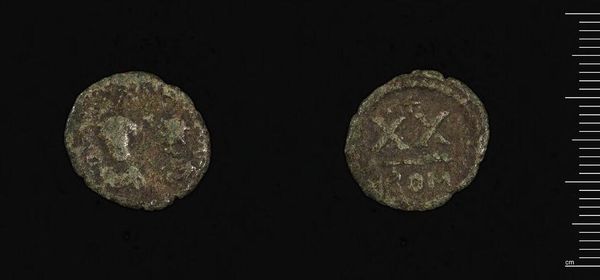
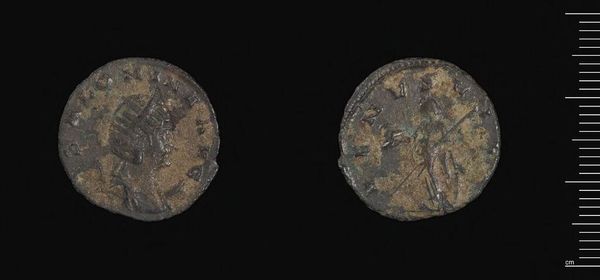
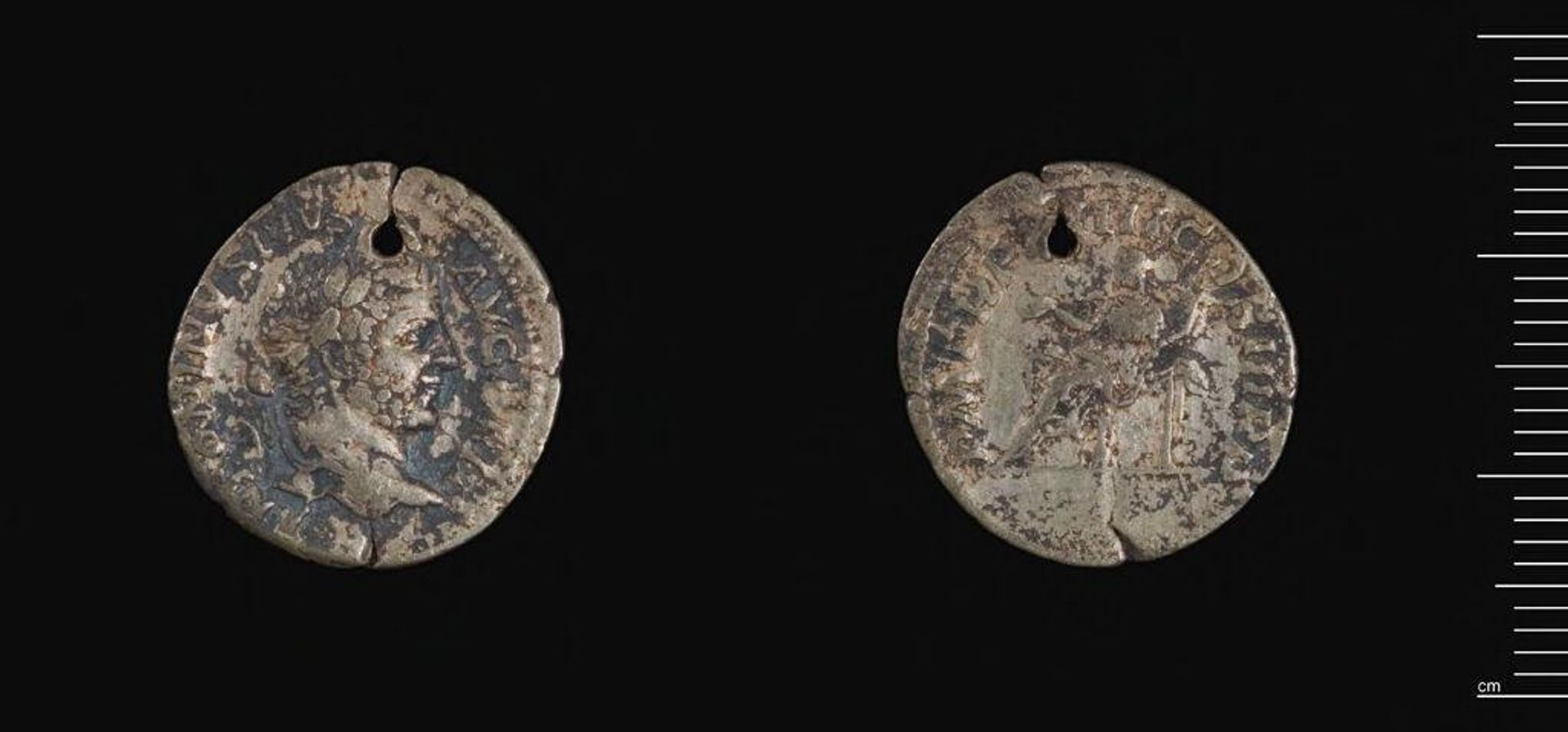
Denarius of Caracalla

Listen to curator's interpretation
Curatorial notes
Editor: Here we have a Denarius of Caracalla. Its worn appearance hints at a long history of use. I'm curious – what cultural significance do you see in this coin, beyond its monetary value? Curator: The image of Caracalla isn't just a portrait; it's an assertion of power, linking him to previous emperors and the concept of Roman strength. Note how even the laurel wreath is symbolic of victory and authority, wouldn't you agree? Editor: Yes, definitely. The wreath and the emperor's profile all seem deliberately chosen to project an image of strength and legitimacy. Curator: This coin circulated widely, embedding that image within the cultural memory of the Roman Empire, wasn't it? Currency wasn't just money; it was propaganda, a constant reminder of who was in charge and what they valued. Editor: That’s fascinating – so it’s not just an artifact, but a carefully constructed message intended for the masses. I never thought about it that way. Curator: Indeed, these seemingly simple images carry immense emotional, cultural, and psychological weight, shaping perceptions and solidifying power structures.